Shared search · Sep 14, 2026
How can Last Database assist with forward-looking prospect planning?
Last Database can support forward-looking prospect planning by turning scattered prospect information into a prioritized, continuously updated pipeline. Typical uses include:
- Identify emerging prospects: Find people or organizations that match your ideal profile before they are actively seeking a solution.
- Prioritize opportunities: Rank prospects using factors such as fit, financial capacity, engagement, location, industry, or relationship strength.
- Monitor change signals: Track events such as funding, leadership changes, acquisitions, job moves, property transactions, or increased engagement that may indicate future readiness.
- Build a multi-period pipeline: Group prospects into near-term, mid-term, and longer-term cultivation plans instead of focusing only on immediate opportunities.
- Plan personalized outreach: Use available background and relationship data to tailor messages, choose appropriate contacts, and identify potential introductions.
- Improve resource allocation: Help teams decide which prospects deserve research, cultivation, or direct outreach first.
- Maintain institutional knowledge: Centralize notes, interactions, connections, and status so prospect planning remains consistent across the team.
In practice, the strongest workflow is to combine database insights with human qualification: validate the data, assign an owner and next action, set review dates, and update prospect scores as circumstances change. The available information does not establish Last Database’s exact feature set, so these are the principal ways a prospect database can assist with forward-looking planning rather than a verified product-specific feature list.
Related
Can Last Database support proactive business development research?
How can companies use lastdatabase.com to prepare for future market opportunities?
Yes. LastDatabase can support proactive business-development research by helping companies identify and organize potential customers, partners, and market segments before an immediate sales need arises. Its website describes the service as providing business leads and contact data for sales, marketing, research, and data teams, with audience discovery by country, industry, and job title. 1
Companies can use it to:
- Map attractive markets: Build lists of companies and decision-makers in target countries, industries, or roles.
- Find future prospects: Identify organizations that fit an ideal-customer profile and begin relationship-building ahead of a buying cycle.
- Explore adjacent sectors: Compare contact coverage across industries to test potential expansion markets.
- Support account and territory planning: Segment records by geography, company type, or decision-maker role to estimate where future demand may develop.
- Research partnerships: Locate relevant executives or organizations for channel, supplier, alliance, or referral opportunities.
- Create reusable prospect datasets: Develop carefully segmented lists for market sizing, outreach experiments, event planning, and ongoing monitoring.
A practical process is to define the market hypothesis, filter prospects by industry/location/role, verify important records independently, score accounts against strategic criteria, and track changes over time. LastDatabase should be treated as a prospecting and contact-data source, not as a complete forecast of market demand; market sizing, competitive research, regulatory analysis, and customer validation should supplement it. The available source confirms the platform’s audience and contact-data positioning but does not document every feature or guarantee data accuracy. 1
Related
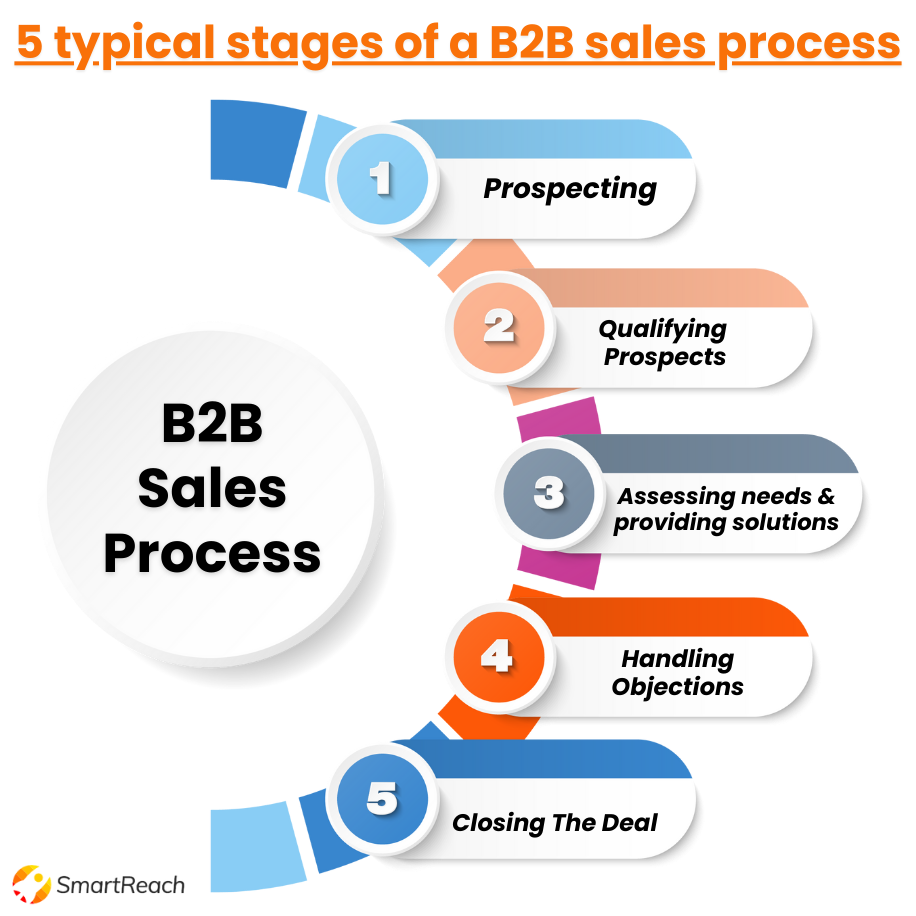
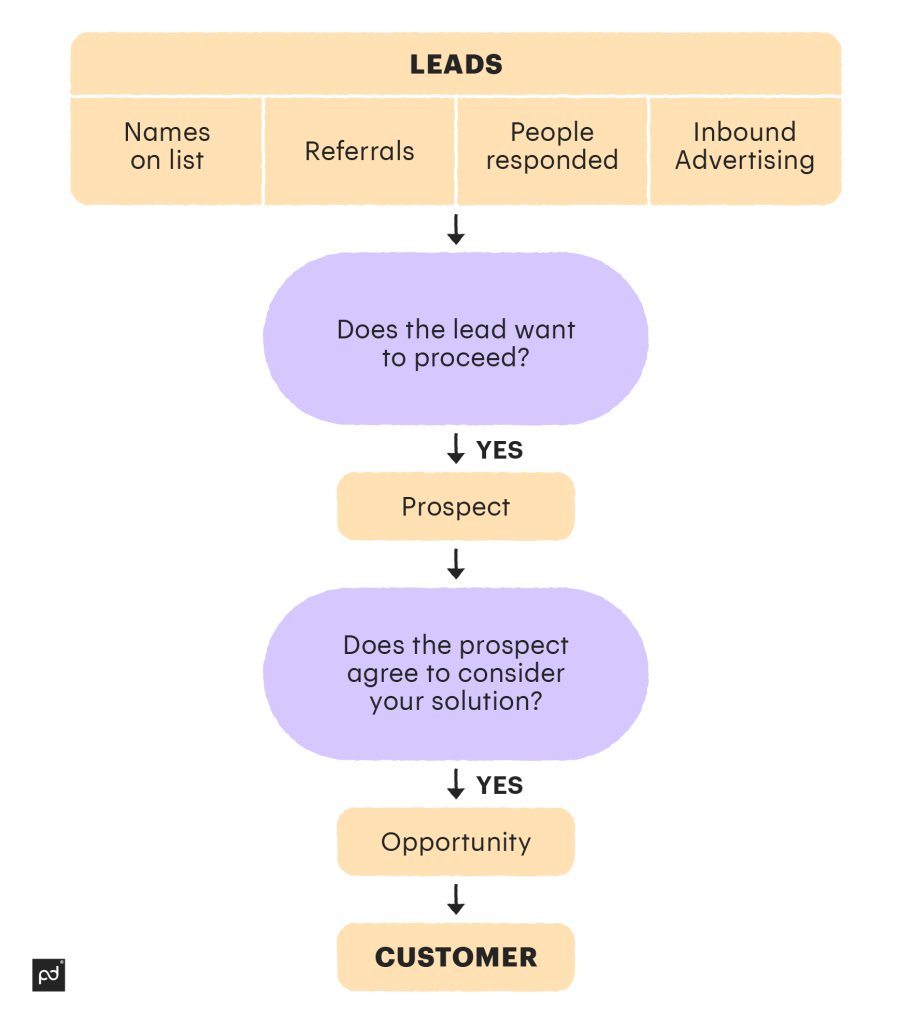
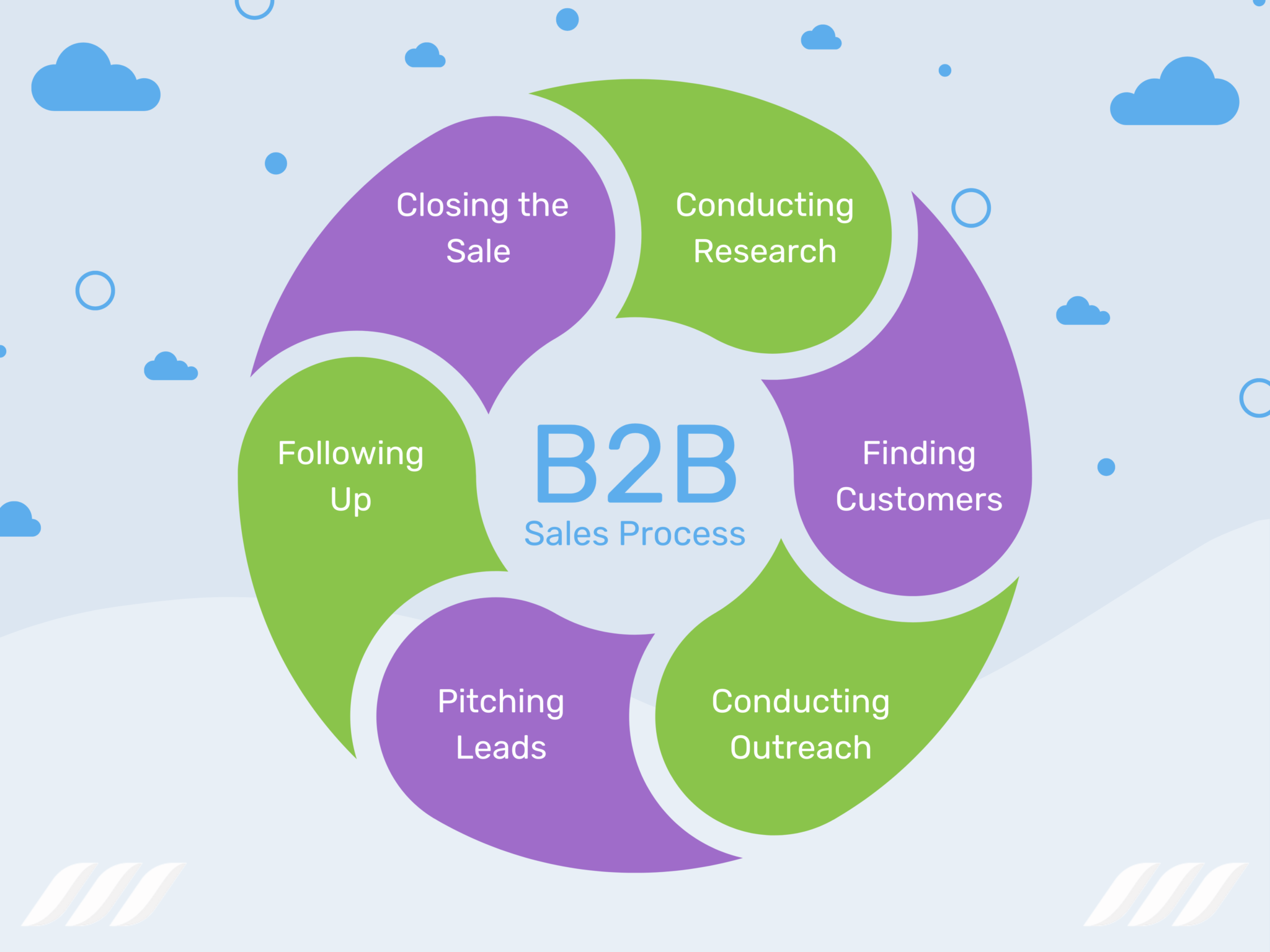
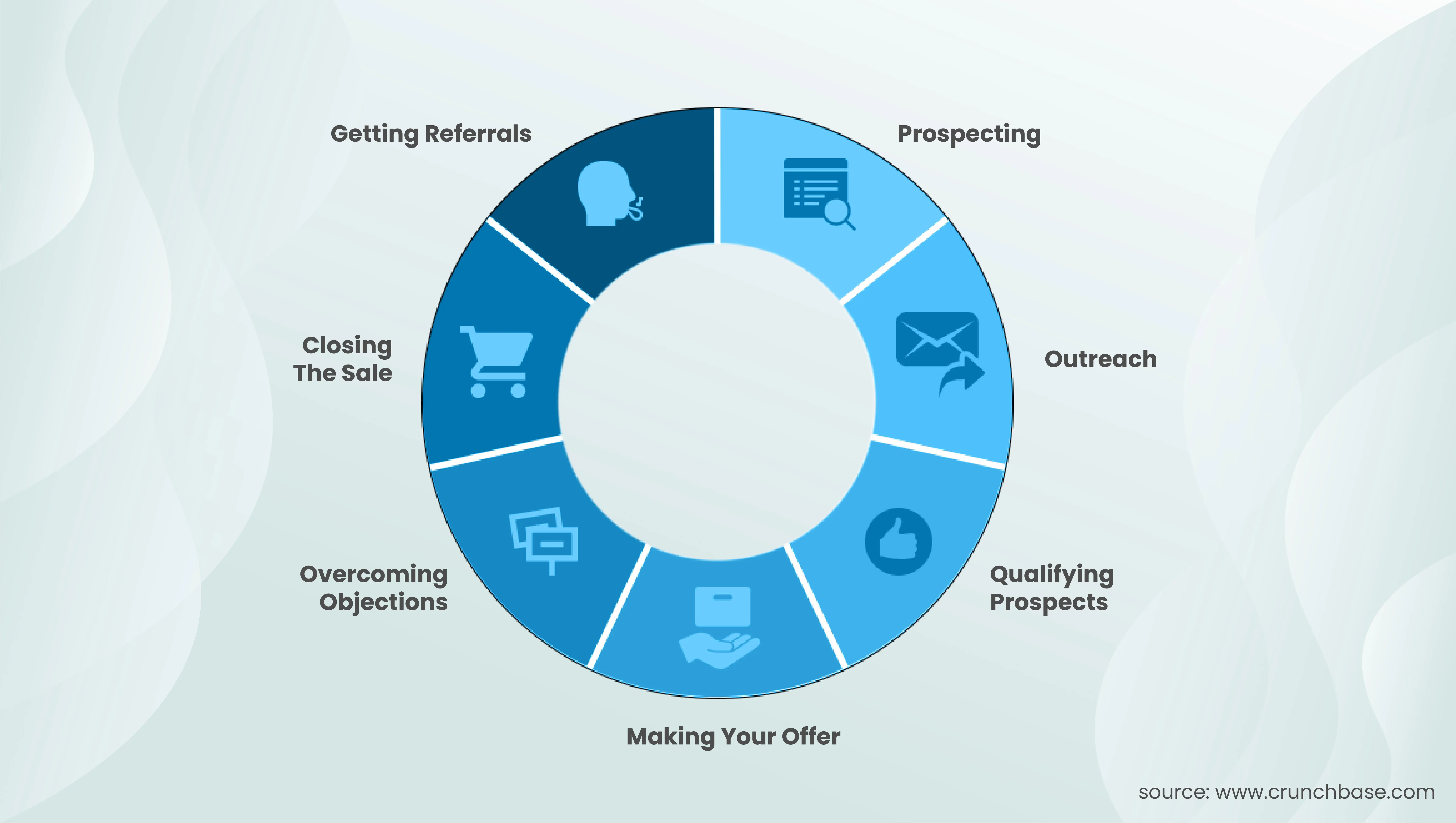
Can lastdatabase.com help businesses build a proactive B2B prospecting strategy?
Yes. LastDatabase can help businesses build a proactive B2B prospecting strategy by supplying targeted business leads and decision-maker contact data before prospects actively approach the company. It allows users to explore contacts by country, industry, job title, and technology, which supports precise ideal-customer-profile (ICP) targeting. 1
How to use it proactively
-
Define the ICP
Specify target industries, regions, company types, technologies, and decision-maker roles. -
Build segmented account lists
Create separate prospect groups—for example, by geography, vertical, company function, or seniority—rather than using one broad database. -
Map buying committees
Identify multiple relevant stakeholders within target accounts, such as executives, procurement leaders, IT managers, and business-unit owners. -
Prioritize strategic accounts
Combine LastDatabase records with your own criteria—company size, growth, technology environment, strategic fit, or expansion plans—to rank accounts. -
Start relationship-building early
Use personalized email, phone, social selling, events, and educational content to engage prospects before an active buying cycle. -
Scale or automate data access
LastDatabase offers email lists, phone data, and custom datasets, while its API can search business records by country, city, industry, and keyword.9
Important limitations
LastDatabase can help with who to target and how to reach them, but contact data alone does not establish purchase intent, budget, timing, or market demand. Verify important records, comply with applicable privacy and marketing regulations, and enrich the list with company research, intent signals, CRM history, and personalized messaging.
Related
.png)



Ask your own follow-ups
Komo answers with sources. Pick up this thread in your own history and keep digging.