Shared search · Sep 13, 2026
Can Last Database help businesses prepare customized prospect datasets?
Yes. LastDatabase can likely help businesses prepare customized prospect datasets by filtering and segmenting B2B records around criteria such as:
- Industry or business category
- Country or region
- Job title or decision-maker role
- Technology used
- Communication channel
- Potentially company size and other targeting fields
LastDatabase describes its data as supporting sales prospecting, marketing, research, and targeted outreach 1. Its available guidance also indicates that businesses can combine targeting criteria to create lists aligned with campaign goals
4.
A typical workflow would be:
- Define the ideal customer profile.
- Select relevant company and contact filters.
- Export or organize the matching records.
- Clean, deduplicate, and verify the data.
- Segment the dataset for different campaigns or sales teams.
Before relying on it, confirm the exact filters available, data freshness, verification standards, export/API options, and privacy-law compliance. Public information does not clearly confirm every customization feature or whether LastDatabase performs bespoke dataset preparation as a managed service.
Related
How can Last Database support sales planning?
Last Database can support sales planning by helping teams turn an ideal-customer profile into a structured, actionable prospecting plan:
- Define target accounts: Filter prospects by country, region, industry, employee count, revenue, technology use, job title, and seniority.
9
- Prioritize territories and segments: Compare the size of addressable audiences across locations, industries, or company-size bands before assigning sales coverage.
- Identify decision-makers: Build role-based lists for executives, managers, directors, and other relevant buying influencers.
- Plan campaign volumes and budgets: Its purchasing options include selected records, subscriptions, and larger custom datasets, which can help align prospect volume with campaign capacity.
- Connect data to workflows: Eligible plans may provide API access for searching and filtering contacts and connecting data with CRM or marketing processes.
- Support account-based planning: Technology and company attributes can help sales teams tailor messaging to a prospect’s business environment rather than using one generic pitch.
A practical planning process would be:
- Set the ICP and sales goals.
- Estimate market coverage by segment or territory.
- Create prioritized account and contact lists.
- Assign records to sales representatives.
- Import or connect them to the CRM.
- Track conversion, coverage, and data quality, then refine the filters.
Last Database appears strongest as a data and targeting layer for sales planning. The available sources do not establish that it provides full sales-forecasting, quota-management, pipeline-management, or territory-optimization software, so those functions may require a CRM or sales-planning platform.
Related
How can Last Database support marketing planning?
Last Database can support marketing planning by providing the data needed to define audiences, estimate campaign reach, and coordinate targeted outreach:
- Build target audiences: Segment businesses and contacts by country, industry, job title, technology, category, and communication channel.
- Translate the ICP into campaign lists: Marketers can apply company and contact filters to create audiences for product launches, regional campaigns, event invitations, ABM, or lead-generation programs.
- Plan channel strategy: Email and phone fields can help determine whether a segment is suitable for email, telemarketing, or coordinated multichannel outreach.
- Support personalization: Industry, role, company, and technology information can guide messaging tailored to different customer segments rather than one broad campaign.
- Integrate with marketing workflows: API access can support searching, filtering, and transferring data into internal systems or marketing tools, subject to the relevant plan and usage limits.
- Plan campaign scale: Teams can use available records to estimate audience size, allocate campaign resources, and create separate lists for different regions or personas.
A practical workflow is to:
- Define the ideal audience and campaign objective.
- Select firmographic, role, geographic, and technology filters.
- Estimate the reachable audience by segment.
- Create and prioritize campaign datasets.
- Clean, deduplicate, and verify the records.
- Activate them through the marketing-automation or CRM system.
- Measure response and refresh the audience over time.
Last Database appears to function primarily as a B2B data and audience-targeting layer, not as a complete marketing-planning or campaign-automation platform. Marketers would likely need separate tools for content production, journey orchestration, attribution, and performance reporting. They should also verify consent, lawful-use, and opt-out requirements before contacting records.
Related
How can Last Database support account planning?
Last Database can support account planning as a data and research layer—helping teams decide which accounts to prioritize, who to engage, and how to structure coverage.
- Prioritize target accounts: Segment companies by industry, geography, size, revenue, technology use, or other ICP criteria to identify high-potential accounts.
- Build account profiles: Consolidate company information and relevant contacts so account teams have a common starting point for research.
- Map stakeholders: Identify decision-makers, influencers, and other relevant roles within each account. Account mapping is specifically used to document stakeholders and relationships inside target organizations.
3
- Plan account coverage: Group accounts into tiers—such as strategic, growth, and transactional—and assign appropriate sales, marketing, or specialist resources.
- Find expansion opportunities: Search for additional departments, locations, subsidiaries, or contacts that may support cross-sell and up-sell planning.
- Coordinate sales and marketing: Create shared account lists for ABM campaigns, executive outreach, events, and nurture programs.
- Enrich CRM records: Use database exports or integrations, where available, to fill missing fields and keep account records more complete.
A practical workflow is:
- Define account-selection criteria and strategic objectives.
- Create a master list of target or existing accounts.
- Enrich each account with firmographic, technology, and stakeholder data.
- Tier accounts according to potential and strategic importance.
- Document objectives, opportunities, risks, contacts, and next actions in the CRM.
- Review account data periodically because company and contact details change over time.
Last Database should not be treated as a complete account-planning system unless its specific plan includes features such as relationship mapping, opportunity tracking, account objectives, collaboration, and performance dashboards. Its main value is likely helping account teams obtain and organize the external company and contact data required for those plans.
Related
How can Last Database support territory planning?
Last Database can support territory planning as a company-and-contact data layer, helping teams define territories, assign accounts, and identify coverage gaps.
- Create territory segments: Group accounts by country, state, ZIP/postal code, time zone, industry, company size, or account value. Geographic rules can account for travel, time zones, language, and regional differences.
- Assign accounts and contacts: Add standardized territory and territory-owner fields so each record is assigned to a representative, reducing overlap and unowned accounts.
- Build filtered territory lists: Create views such as “West—strategic accounts,” “DACH prospects,” or “unassigned accounts” for rep planning and outreach.
- Balance workloads: Compare territories by account count, market potential, industry fit, expected revenue, and engagement—not just the number of contacts. Balanced workload and coverage are central objectives of territory planning.
3
- Identify white-space opportunities: Find companies or relevant contacts within a territory that are not yet covered, helping managers improve market penetration.
- Support headcount and target decisions: Territory-level counts and potential estimates can inform where to add representatives and how to distribute targets; territory planning commonly involves deciding boundaries, assignments, headcount, and targets.
4
- Maintain cleaner assignments: Standardize country, state, region, and ownership values, and periodically review records when companies expand, contacts change roles, or territories are redesigned.
A practical process is:
- Define territory rules and ownership.
- Clean and standardize location and company data.
- Filter accounts into geographic or market-based territories.
- Assign owners and flag unassigned records.
- Compare territory potential and workload.
- Export or sync the assignments to the CRM.
- Review coverage and rebalance territories regularly.
Last Database is best viewed as an input to territory planning, rather than a full territory-management system. Dedicated platforms can model alternative territory scenarios, compare coverage, and distribute workloads more formally. 3
6
Related
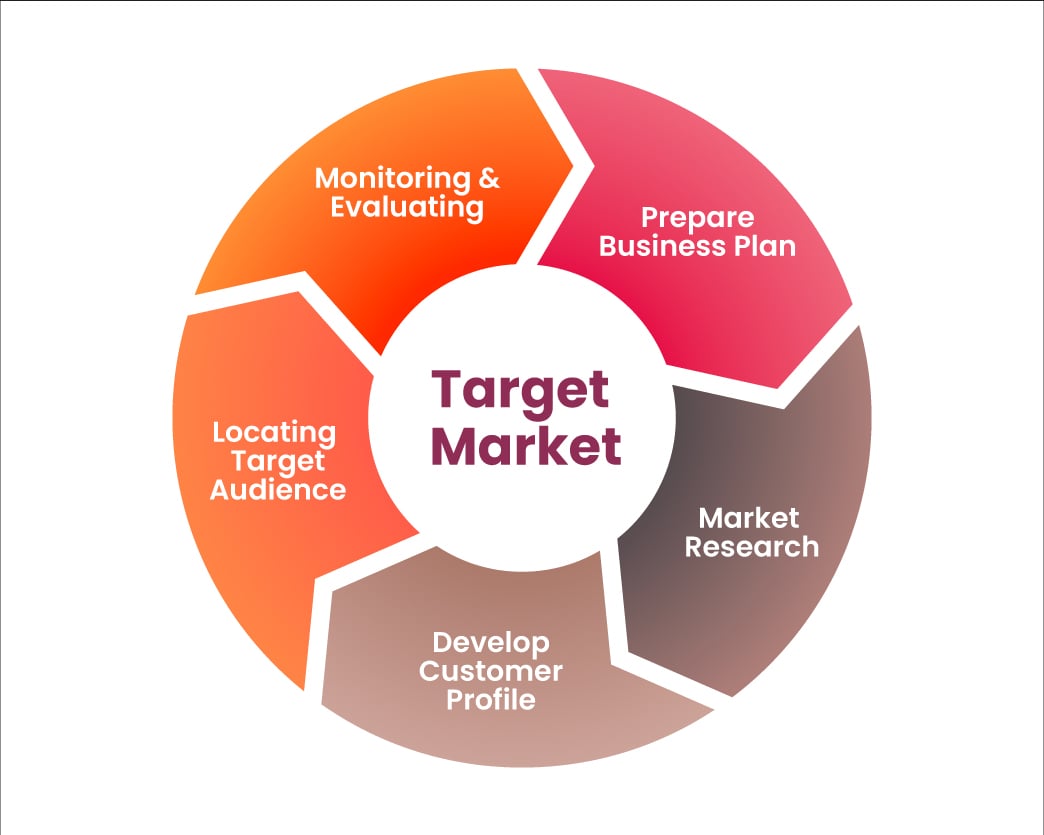
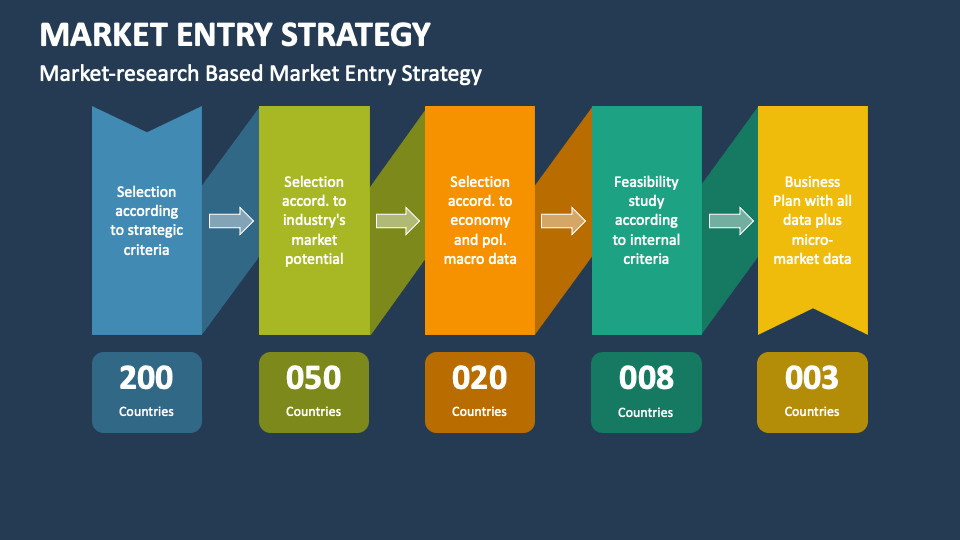
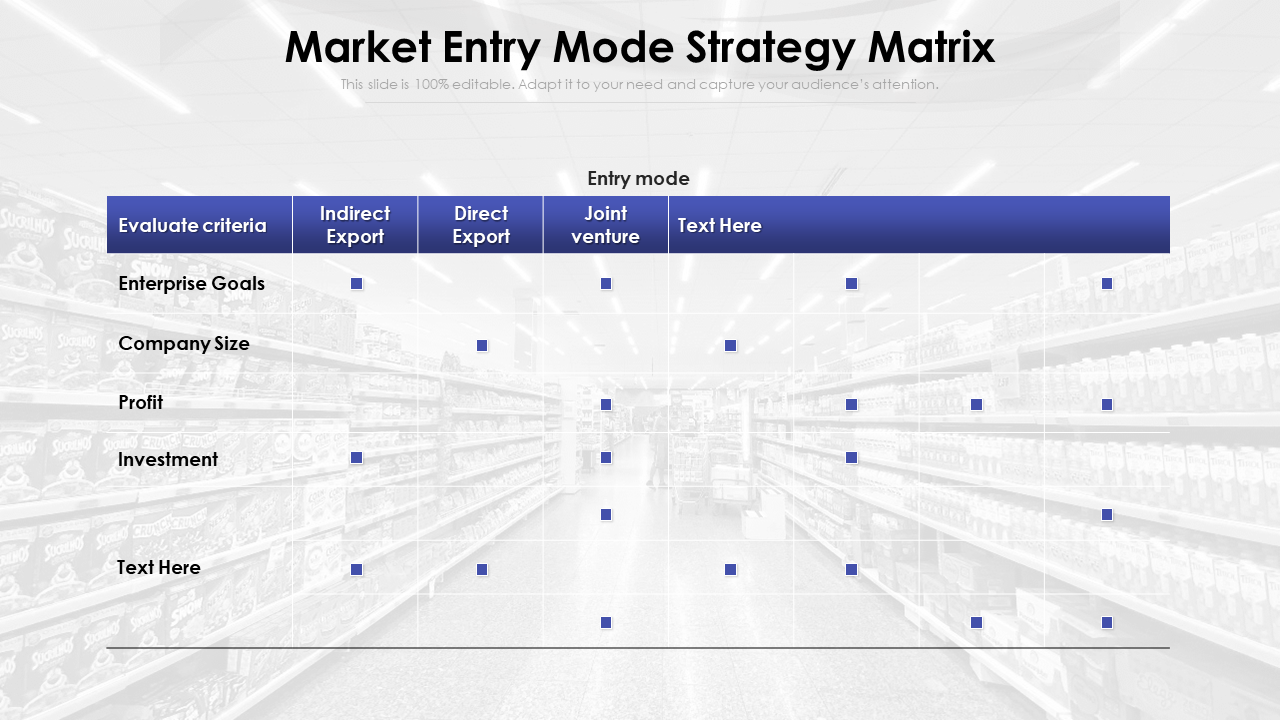
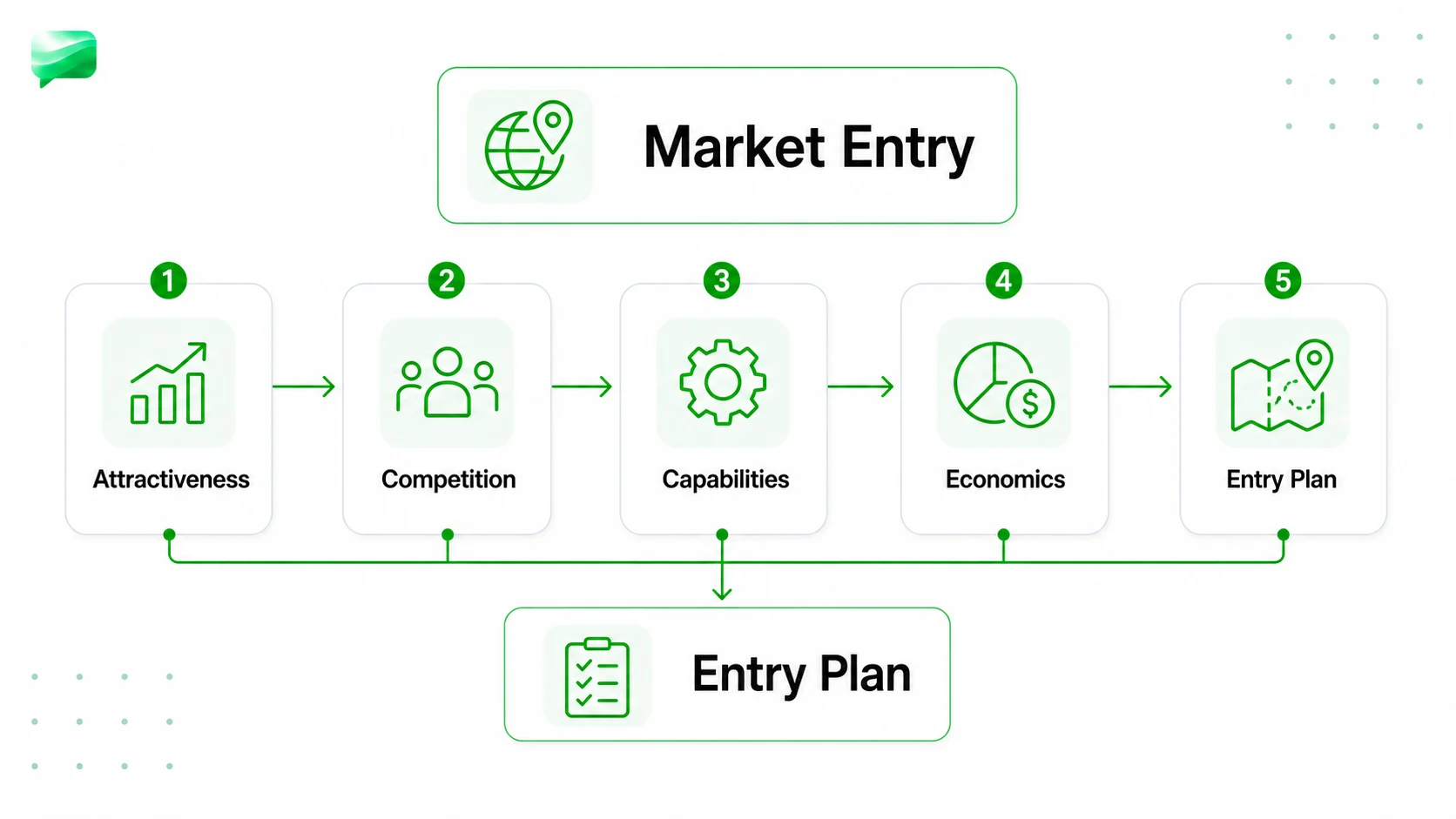
How can lastdatabase.com support market-entry planning?
LastDatabase can support market-entry planning by providing the prospect, company, and contact data needed to evaluate and activate a new market. It supports searches by country, industry, job title, technology, category, and communication channel. 1
Key uses
- Estimate addressable account coverage: Count and segment potential businesses in a target country or region by industry, company type, size, or category.
- Build an initial target-market universe: Create lists of companies that fit the ideal customer profile before committing sales or marketing resources.
- Identify local decision-makers: Find executives and purchasing contacts by job title, helping assess whether a market has reachable buyers and supporting early outreach.
- Analyze market concentration: Compare the number and characteristics of potential accounts across countries, cities, industries, or segments.
- Identify technology-based opportunities: Filter for companies using relevant technologies to locate prospects with likely infrastructure needs or product fit.
- Plan market coverage: Use account and contact lists to design local territories, prioritize launch regions, and estimate initial sales capacity.
- Activate a go-to-market test: Export or access data through available lead, API, or CRM-enrichment workflows; LastDatabase describes itself as a global B2B data-intelligence platform with API access.
- Support localization research: Segment audiences by geography, industry, role, and communication channel to inform localized messaging and campaign lists.
Recommended workflow
- Define the target market, ICP, use case, and entry hypothesis.
- Search LastDatabase by country, industry, company category, technology, and buyer role.
- Compare prospect volume and decision-maker coverage across candidate markets.
- Build a prioritized list of accounts and contacts.
- Validate a sample for accuracy, recency, and regulatory suitability.
- Run a small outbound or partner-development test.
- Combine response rates and pipeline results with external research before making the entry decision.
Limitation: LastDatabase is primarily a lead, audience, and contact-data platform, not a complete market-entry intelligence solution. It should be supplemented with external sources for total market size, demand and growth, competitors, pricing, regulation, purchasing behavior, and local operating conditions. 4 Also verify data quality and the legal basis for contacting people in each jurisdiction.
Related



Ask your own follow-ups
Komo answers with sources. Pick up this thread in your own history and keep digging.