Shared search · Sep 13, 2026
How can Last Database help identify new business leads?
If you mean a latest or up-to-date lead database, it can help identify new business leads by:
- Finding prospects that match your ideal customer profile using filters such as industry, company size, location, job title, and technology use.
3
- Providing decision-maker contact details, including names, roles, and business contact information, so outreach reaches relevant people.
5
- Prioritizing high-potential accounts based on buying signals, engagement, or intent data rather than contacting an unqualified list.
- Keeping prospect data current through verification, deduplication, and enrichment, reducing bounced emails and outdated CRM records.
- Expanding into new markets by revealing companies and customer segments your team has not previously targeted.
6
- Supporting organized outreach by exporting or integrating prospect data with CRM, sales, and marketing systems.
The database should be checked for accuracy, update frequency, ethical sourcing, and privacy-law compliance before use. 3 I couldn’t verify a specific product called “Last Database,” so this answer assumes you meant a current business-lead database.
Related
How can Last Database help discover potential B2B accounts?
LastDatabase can help discover potential B2B accounts by turning broad market research into a targeted company list:
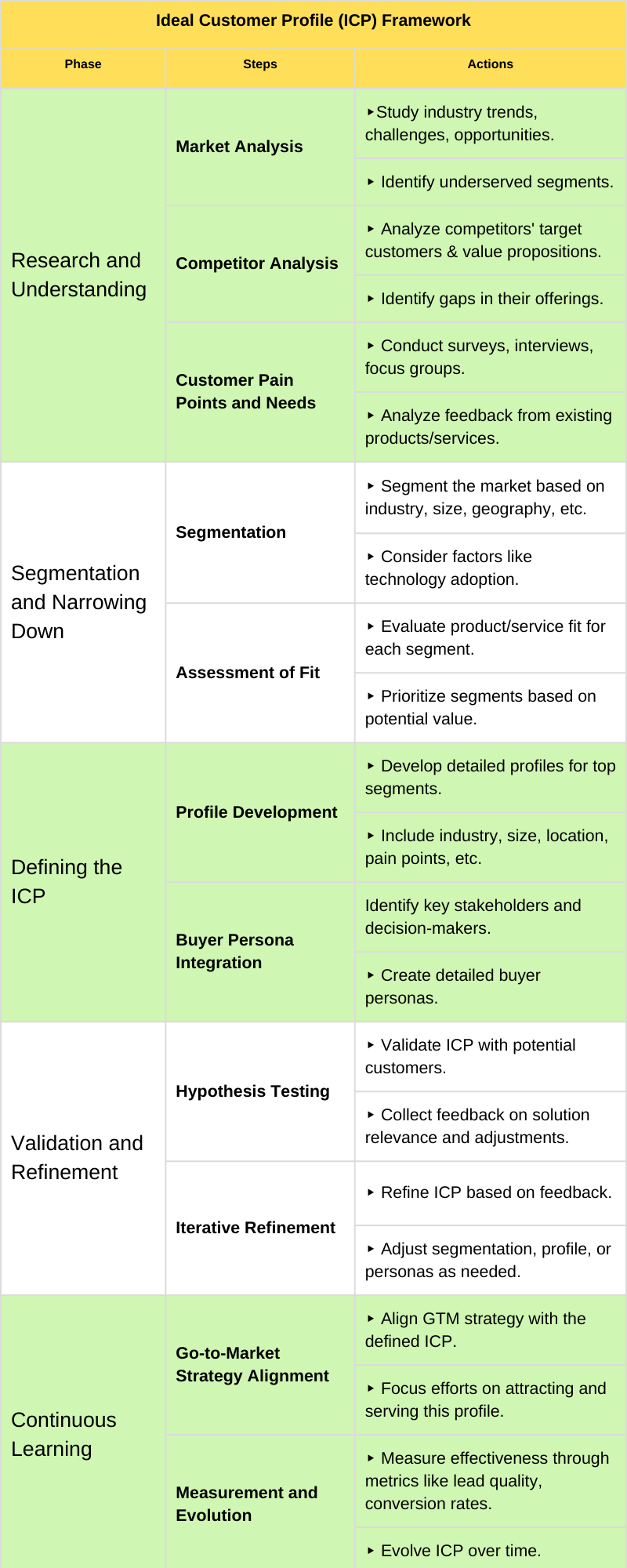
- Define your ideal customer profile: Filter businesses by country, industry, business category, company characteristics, technology, and job title to find organizations resembling your best customers.
9
- Identify target companies: Use company and industry data to discover accounts in new markets or underserved segments instead of relying on an undifferentiated database.
- Find relevant stakeholders: Once an account is identified, use its executive contacts, business email records, and phone data to locate owners, executives, or other decision-makers.
- Build account-based lists: Group prospects by region, sector, company type, or communication channel for tailored outbound campaigns.
- Connect it to your workflow: API access can support CRM enrichment, recurring searches, and automated lead-generation processes.
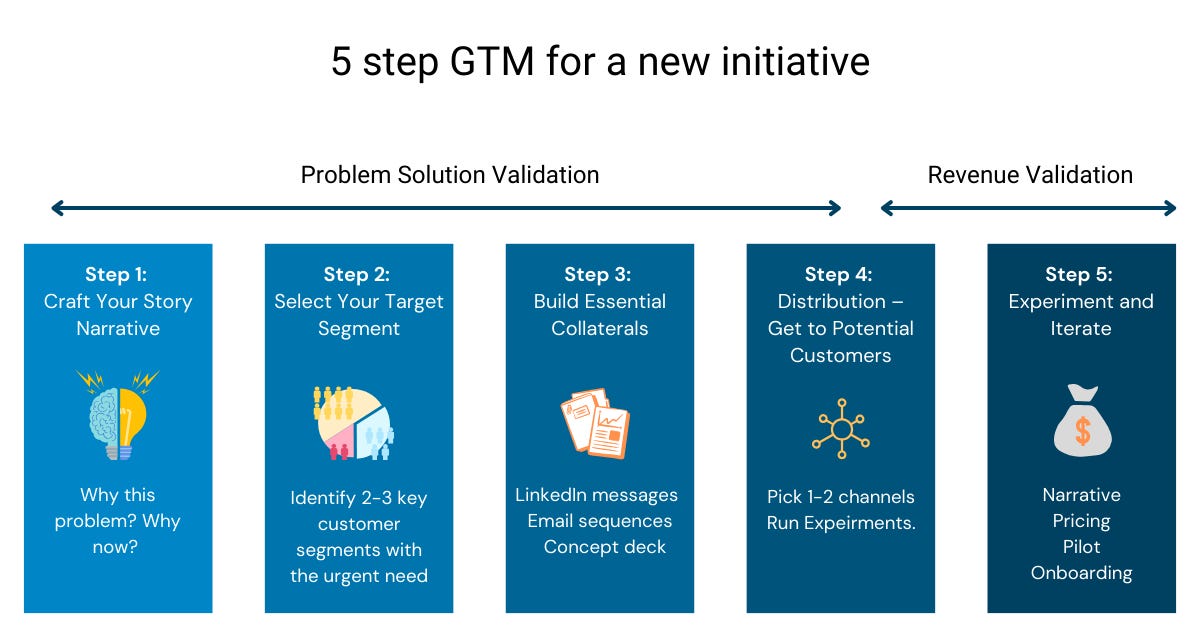
A practical process is: set ICP filters → create a company shortlist → identify decision-makers → verify records → prioritize and import qualified accounts into your CRM. Before outreach, request a sample and confirm data freshness, accuracy, permitted use, and compliance with applicable privacy and marketing laws.
Related
How can Last Database support a company's lead research efforts?
LastDatabase can support a company’s lead research by helping teams:
- Define and find the right audience: Search business and consumer records by country, industry, job title, technology, category, and communication channel rather than reviewing an unfiltered database.
- Research target accounts: Combine company data, industry filters, and executive-contact information to build lists of organizations that fit the company’s ideal customer profile.
- Locate relevant decision-makers: Use business email lists, phone databases, and executive contacts to identify people for sales or marketing outreach.
- Segment research results: Organize prospects by market, sector, role, or contact type to support more focused account research and personalized campaigns.
- Integrate data into existing processes: API access can help sales, marketing, and data teams incorporate lead information into their own systems and workflows.
A useful workflow is to define the ideal customer profile, filter accounts, identify relevant contacts, verify important records, and add qualified prospects to the CRM. Data quality, freshness, and compliance should be checked before using the information for outreach.
Related
How can lastdatabase.com help expand a sales prospect pipeline?
LastDatabase can help expand a sales prospect pipeline by providing a structured way to discover, qualify, and organize new prospects:
- Reach new market segments: Search business audiences by country, industry, job title, technology, category, and communication channel instead of relying only on existing networks.
- Build targeted prospect lists: Combine company data and industry filters to identify organizations that match your ideal customer profile.
- Find decision-makers: Use business email lists, phone data, and executive contacts to locate relevant stakeholders within target accounts.
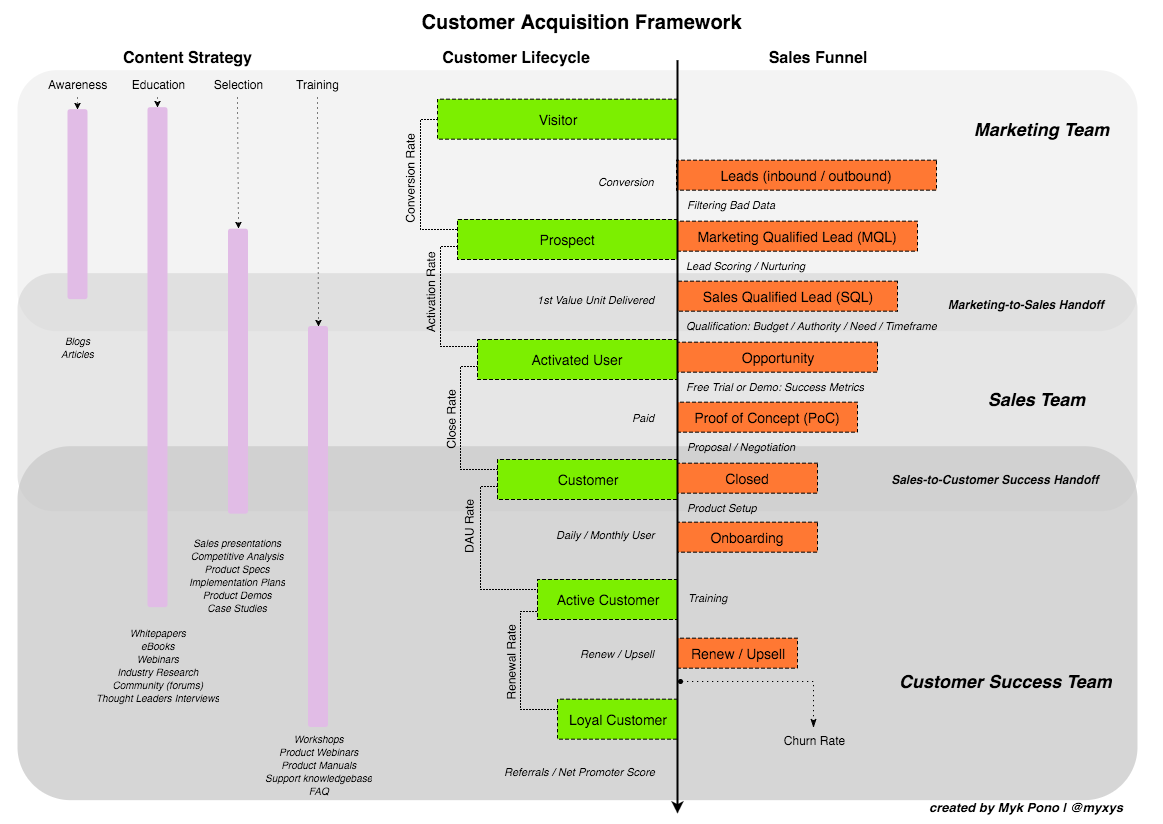
- Increase prospecting capacity: Start with larger, segmented lists so sales representatives can spend less time on manual research and more time on qualification and outreach.
- Support CRM and sales workflows: API access can help connect prospect data with internal systems for enrichment, recurring searches, and pipeline-building processes.
- Enable account expansion: Research additional contacts at existing or stalled accounts, helping sales teams multi-thread relationships rather than relying on a single contact.
A practical workflow is:
- Define the ideal customer profile.
- Filter companies by market, industry, technology, and role.
- Identify multiple relevant contacts at each account.
- Verify data quality and remove duplicates.
- Import qualified prospects into the CRM.
- Prioritize and contact them through compliant, personalized outreach.
The actual pipeline impact will depend on data freshness, match quality, verification rates, and outreach execution; LastDatabase’s public materials describe the available data categories and API access, but do not independently establish conversion or accuracy benchmarks. Handle contact data in accordance with applicable privacy and marketing laws.
Related
How can lastdatabase.com support new customer discovery?
LastDatabase can support new customer discovery by helping businesses identify and evaluate prospects beyond their existing customer base:
- Explore new segments: Search companies and contacts by country, industry, job title, technology, category, and communication channel to uncover audiences the business may not currently serve.
- Find lookalike prospects: Use characteristics of existing high-value customers—such as industry, location, company type, or decision-maker role—to locate similar organizations.
- Research untapped accounts: Combine company information, industry filters, executive contacts, email lists, and phone data to identify potential buyers and relevant stakeholders.
- Test new markets: Build separate prospect lists for different regions, industries, or customer profiles, then compare response, meeting, and conversion rates.
- Connect discovery to sales systems: API access can help integrate prospect and company data into internal applications, CRM workflows, or lead-enrichment processes.
A practical process is to analyze the current customer base, define lookalike criteria, search for matching accounts, identify decision-makers, validate the records, and test targeted outreach.
LastDatabase can help with market and prospect identification, but the database alone does not prove that a segment has sufficient demand, profitability, or product-market fit. Those assumptions should be validated through customer interviews, competitor research, and campaign results. 3
Related


Ask your own follow-ups
Komo answers with sources. Pick up this thread in your own history and keep digging.