Shared search · Sep 13, 2026
Can Last Database data support marketing database organization?
Yes—existing or legacy database data can support marketing database organization, provided it is cleaned, standardized, and structured first.
Useful steps include:
- Consolidate customer data from CRM, purchases, website activity, email, and support systems into a central repository.
4
- Clean and deduplicate records by correcting incomplete details, invalid contact information, and duplicate customers. Poor data quality can prevent marketers from reaching the right audience.
1
- Standardize fields such as names, addresses, industries, consent status, customer lifecycle stage, and engagement history.
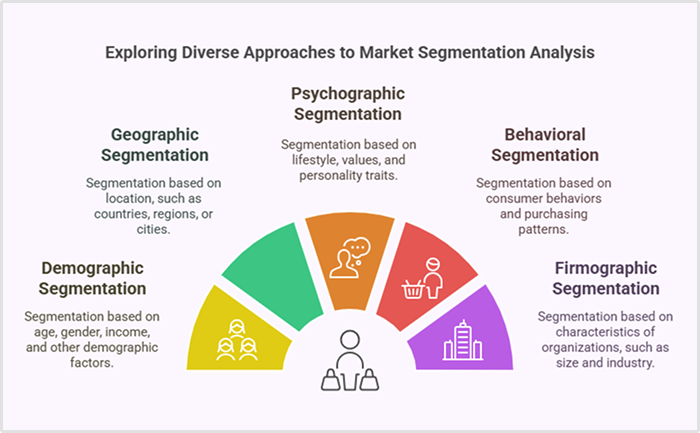
- Segment contacts by demographics, behavior, purchase history, value, or engagement to enable targeted campaigns.
2
- Track campaign activity, including opens, clicks, conversions, and transactions, so future marketing can be personalized and measured.
3
- Apply governance and privacy controls, especially for consent, data retention, access permissions, and opt-outs.
If by “Last Database” you mean a specific platform or dataset, its suitability depends on whether it supports exports/API access, reliable customer identifiers, timestamps, consent fields, and integration with your CRM or marketing-automation system. The available information does not identify a specific product called “Last Database.”
Related
How can Last Database support business intelligence activities?
If you mean a legacy database, it can support business intelligence (BI) by providing historical and operational data for analysis without immediately replacing the original system. Legacy data often remains valuable for BI, analytics, marketing, finance, HR, customer support, and logistics. 3
Key uses include:
- Trend analysis: Examine historical sales, customers, costs, inventory, and operational performance.
- Reporting and dashboards: Connect BI tools to the database to create management reports and near-real-time visibility, often without redeveloping the legacy application.
7
- Data integration: Extract data through ETL processes and combine it with CRM, ERP, cloud, or external data sources. Modern integration tools support many older database formats.
4
- Forecasting and planning: Use historical patterns to estimate demand, revenue, staffing, churn, or cash flow.
- Cross-department analysis: Break down data silos so departments can share consistent metrics and insights; legacy systems can otherwise isolate teams from integrated BI capabilities.
- Data warehouse or lake loading: Preserve raw historical records in a data lake and store cleaned, structured data in a warehouse for analytics.
6
- Data quality and governance: Add validation, metadata, access controls, and audit trails before exposing the data to analysts.
A practical BI workflow is:
- Inventory tables, fields, relationships, and business definitions.
- Extract data with connectors, APIs, replication, or scheduled exports.
- Clean, standardize, deduplicate, and map identifiers.
- Load it into a warehouse or lakehouse.
- Build governed dashboards and KPI definitions.
- Reconcile reports against the source system and monitor data freshness.
The main limitations are siloed data, incompatible formats, weak documentation, security risks, and outdated compliance controls. 4 Therefore, the legacy database should usually remain the operational source of record while BI uses a controlled read-only copy or curated analytical layer.
Related
How can Last Database support market opportunity analysis?
How can Last Database support industry research?
Assuming “Last Database” means a legacy database, it can support industry research by providing long-term, organization-specific evidence that can be combined with external market and industry data.
- Establish historical trends: Analyze years of sales, pricing, product demand, customer behavior, service usage, and regional performance to understand how the industry has changed.
- Benchmark internal performance: Compare business results across products, locations, customer segments, and time periods to identify areas where the organization outperforms or trails the market.
- Identify industry segments: Use customer, transaction, geographic, and product data to discover high-value sectors, underserved niches, and changing demand patterns.
- Study competitors indirectly: Although a legacy database may not contain complete competitor information, internal records can reveal competitor mentions, lost-deal reasons, substitute products, pricing pressure, and customer switching behavior.
- Validate external research: Test analyst reports, surveys, and market forecasts against actual historical transactions and customer activity.
- Support forecasting: Historical demand and adoption data can help estimate market growth, product life cycles, capacity needs, and future revenue.
- Combine multiple data sources: Data virtualization, APIs, or ETL pipelines can connect the legacy database with CRM, ERP, government statistics, research reports, and web or survey data. A unified data layer can expose siloed legacy records for analytics without immediately replacing the original system.
1
- Create repeatable research dashboards: Curated data can support dashboards for market size, growth rates, customer segments, regional demand, pricing, and product performance.
A practical approach is to:
- Document the database’s tables, definitions, dates, and data limitations.
- Extract a read-only copy into a warehouse or lakehouse.
- Clean and standardize historical records.
- Join the data with external industry and competitor sources.
- Define consistent research metrics and benchmark periods.
- Present results through dashboards, reports, and scenario models.
The main caution is that legacy data may be fragmented, poorly documented, difficult to integrate, or exposed to outdated security controls. 3 Treat it as an important evidence base—but not as a complete view of the industry. Supplement it with current external research and clearly label estimates, missing data, and methodological assumptions.
Related
How can lastdatabase.com support competitor-market research?
LastDatabase can support competitor-market research as a prospect, company, and technology intelligence source—not as a complete substitute for financial databases, analyst reports, or primary research.
How it can help
- Map the competitive landscape: Build lists of companies by industry, country, category, job title, and technology used to identify direct competitors, adjacent providers, distributors, and potential substitutes.
11
- Segment competitors by market: Compare competitor presence across countries, regions, verticals, and professional functions to identify crowded and underserved markets. LastDatabase advertises coverage across 200+ countries and 4,000+ industries, although actual coverage varies by dataset.
- Identify decision-makers: Find executives, directors, managers, and other relevant contacts at rival companies for interviews, partnerships, channel research, or account mapping.
- Analyze technology adoption: Technology-user datasets can reveal which companies use particular platforms or software, helping assess competitor tech stacks, ecosystem overlap, and switching opportunities.
- Estimate market structure: Count and classify organizations by geography, industry, company attributes, role, or technology. These results can indicate market concentration, target-account density, and potential whitespace—but should be treated as directional unless independently validated.
- Support primary research: Use segmented contact data to recruit interviewees, distribute surveys, conduct win/loss research, or validate hypotheses with buyers and industry participants.
- Automate recurring monitoring: API access can connect LastDatabase data to CRM, analytics, or internal research workflows, enabling periodic refreshes and comparison of account or segment changes.
- Enrich an existing competitor list: Match known competitor accounts with available company, location, industry, technology, and professional-contact fields. Available fields depend on the selected package, so the database page and sample should be reviewed first.
Suggested workflow
- Define the competitor set and market boundaries.
- Filter LastDatabase by industry, geography, technology, and relevant job roles.
- Deduplicate and verify company identities.
- Compare competitor counts, locations, technologies, and decision-maker coverage.
- Combine the results with company websites, filings, pricing pages, news, review platforms, hiring data, and customer interviews.
- Track changes over time through scheduled exports or API-based refreshes.
- Use confidence labels—verified, inferred, or estimated—for every conclusion.
Important limitations
LastDatabase’s published materials emphasize B2B contacts, company information, industry data, technology data, and API access; they do not establish that every record includes competitor revenue, market share, pricing, funding, product performance, or strategy. 21 Consequently, it is best used to answer “who operates in this market, where are they, whom do they employ, and what technologies are associated with them?” rather than to independently calculate total market size or market share.
Data can also become outdated as people change jobs and companies change technologies, so assess freshness, provenance, duplicates, verification, and coverage before relying on findings. 9
11 If using contacts for outreach or surveys, apply the relevant privacy, consent, opt-out, and suppression requirements; LastDatabase itself notes that consent evidence does not automatically authorize every campaign or jurisdictional use.
11
10
Related
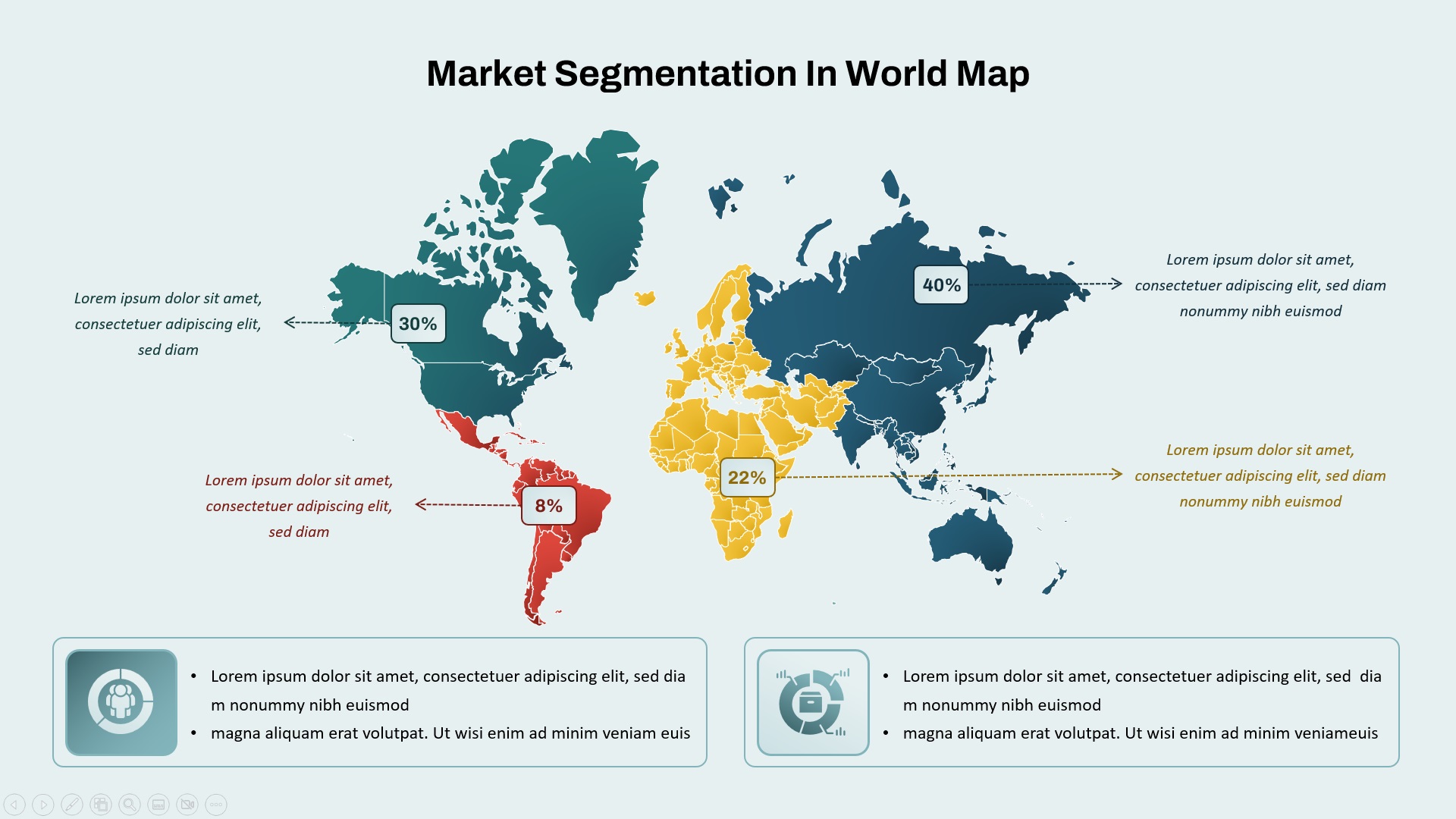
How can lastdatabase.com geographic market analysis?
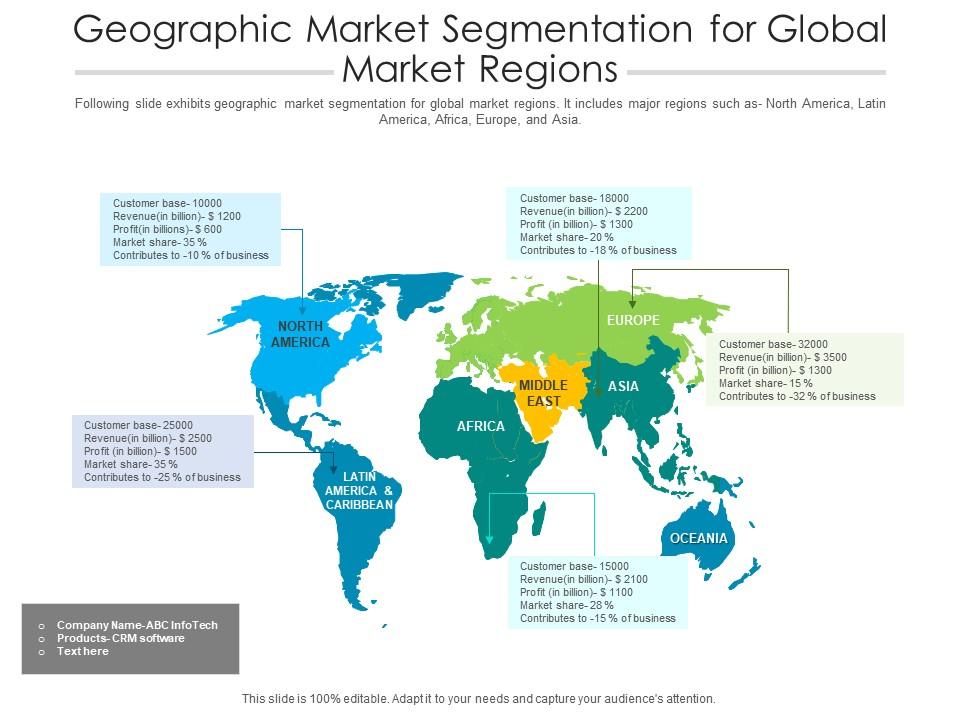
How LastDatabase.com can support geographic market analysis
LastDatabase.com can help researchers compare and prioritize geographic markets by organizing business and consumer data by country, industry, job title, and other audience criteria. 9
Key applications include:
- Compare market presence: Count available companies, professionals, or audience records by country or region to identify where a sector has stronger or weaker representation.
- Locate target segments: Combine geography with industry, job title, company type, technology, or audience category to identify relevant regional customer groups.
- Map regional competitors: Build country- or region-specific lists of companies and decision-makers, then compare competitor density and coverage across markets.
- Identify expansion opportunities: Find countries with relevant businesses or potential customers but relatively limited apparent competition.
- Analyze industry concentration: Compare the distribution of companies within sectors such as finance, healthcare, manufacturing, logistics, or technology across different locations.
- Support local market entry research: Use country-level data to create prospect lists for interviews, surveys, channel-partner research, and pilot campaigns.
- Research consumer audiences: Country-based WhatsApp and Telegram datasets can help compare the availability of consumer audiences across markets and segments.
- Plan regional campaigns: Use geographic and audience attributes to develop market-specific targeting hypotheses before investing in messaging or acquisition infrastructure.
Recommended process
- Select the countries or regions to compare.
- Filter by the relevant industry, company type, job function, and audience characteristics.
- Normalize results by population, number of businesses, GDP, or total addressable-market estimates.
- Check record coverage, freshness, duplicates, and field availability for each dataset.
- Validate findings with government statistics, trade associations, company filings, local competitors, and customer interviews.
- Rank markets using criteria such as demand, competition, accessibility, regulatory complexity, and estimated commercial potential.
Important limitation
LastDatabase can show where relevant records and audiences are available, but record counts should not automatically be treated as actual market size, revenue, demand, or market share. Coverage varies by dataset and country, and the site advises reviewing the individual package for available attributes and data context. 5
10 Use it as a market-discovery and geographic targeting resource, supplemented by independent economic and industry data.
Related


Ask your own follow-ups
Komo answers with sources. Pick up this thread in your own history and keep digging.