Shared search · Sep 13, 2026
How can Last Database assist with campaign research?
If you mean a campaign-intelligence or contact database called “Last Database,” it could assist with research by helping you:
- Identify target audiences: Find people or organizations matching criteria such as location, industry, role, demographics, interests, or past behavior.
- Build prospect lists: Compile relevant contacts and account records for outreach or further investigation.
- Enrich profiles: Add information such as job titles, company details, affiliations, and interaction history.
- Segment audiences: Divide records into groups so each campaign receives more relevant messaging. Database marketing is specifically used to create targeted, personalized campaigns from customer and prospect data
3.
- Study campaign opportunities: Compare audience segments, identify high-value accounts, and uncover gaps in market coverage.
- Support testing and measurement: Use historical engagement or transaction data to test messages, channels, and offers, then refine future campaigns.
- Improve data quality: Clean duplicates, verify contact details, and remove outdated records—important because inaccurate data can undermine personalization and campaign decisions
5.
Use the data lawfully and ethically: verify its source, respect consent and opt-out requirements, and avoid using sensitive personal information without an appropriate legal basis.
If you’re referring to a specific product named Last Database, share its website or a little more context—the exact features may differ.
Related
Can Last Database support targeted communication planning?
Yes—Last Database can support targeted communication planning if it provides audience records, segmentation fields, and campaign-related insights. It could help you:
- Define priority audiences by demographics, location, organization, role, interests, behavior, or engagement history.
- Create audience segments for tailored messages, channels, offers, and communication schedules. Segmentation commonly uses demographic, psychographic, behavioral, and transactional data
5
2.
- Build contact and prospect lists for email, direct mail, outreach, or media activation.
- Personalize communications using profile and account information, such as job title, company, needs, or previous interactions.
- Identify engagement signals to prioritize people who are actively researching or showing interest in a relevant topic
1.
- Coordinate campaign testing and measurement by comparing response rates across segments and refining the plan.
A practical planning workflow would be:
- Define the campaign objective.
- Select the relevant audience attributes.
- Segment and prioritize contacts.
- Match each segment with a message and channel.
- Set timing, frequency, and exclusions.
- Track engagement and update the segments.
The available sources describe these capabilities for audience-data platforms generally, but do not confirm the exact features of a product specifically named Last Database. Verify whether it supports data export, CRM or marketing-platform integration, consent tracking, suppression lists, and regularly refreshed records before relying on it for campaign execution.
Related
How can businesses use Last Database to prepare outreach audiences?
Businesses can use LastDatabase to prepare outreach audiences by:
-
Define the ideal audience
Start with the campaign’s market, offer, geography, and decision-maker profile. -
Filter by relevant criteria
LastDatabase lets users explore audiences by country, industry, job title, category, technology, and communication channel rather than using an undifferentiated database1.
-
Build focused segments
Create separate lists—for example, IT directors in U.S. healthcare companies using a particular CRM, or consumers in a selected market reachable through a specific channel. Combining criteria can reduce irrelevant coverage -
Choose suitable contact data
Select the available email, phone, or other channel data that fits the outreach plan. The platform advertises B2B email lists, phone data, business leads, and consumer audiences -
Prioritize accounts and contacts
Rank records by factors such as role, industry fit, geography, or technology context so sales and marketing teams can start with the most relevant prospects. -
Tailor the communication plan
Match each segment with its own message, offer, channel, timing, and follow-up sequence. Targeted lists are intended to support more personalized B2B outreach3.
-
Validate before activation
Check data freshness, duplicates, bounced addresses, opt-outs, and legal permissions before importing a list into a CRM or outreach platform. A database record should be treated as a prospecting input—not proof that a person has consented to receive marketing.
Example: A SaaS company could filter for a target country, relevant industry, senior operations job titles, and companies using complementary technology; then create separate audiences for executives, technical evaluators, and potential partners, with different messages for each group.
Related
Can Last Database help teams build campaign-ready prospect groups?
Yes. Last Database can help teams build campaign-ready prospect groups by turning broad contact data into narrower, usable segments.
Teams can:
- Define the target profile using country, industry, city/state, job title, employee size, revenue, and technology filters.
- Identify relevant decision-makers instead of exporting every contact at a company.
- Select only matching records from live inventory, with options to browse masked contacts and purchase selected leads.
- Create channel-specific groups using available email, phone, business, and company-information fields for email, calling, CRM enrichment, or business-development campaigns.
- Test data quality first through sample leads or a small purchase before building a larger audience.
- Use refreshed data where available; the cited country-list pages show update dates and a stated 30-day update frequency.
A practical process is:
- Set the ICP and campaign objective.
- Apply narrow firmographic and role filters.
- Separate audiences by use case, such as executives, technical buyers, partners, or regional prospects.
- Review a sample for accuracy, duplicates, job relevance, and deliverability.
- Export or sync the records into the CRM or outreach platform.
- Remove existing customers, opt-outs, and suppressed contacts.
- Add campaign fields such as segment, message, owner, source, and follow-up stage.
Important limitation: the evidence supports Last Database as a prospect-data and list-building source, but does not establish that it independently runs automated campaigns, lead scoring, consent management, or performance reporting. Teams should validate those capabilities and confirm applicable email, privacy, and telemarketing requirements before outreach.
Related
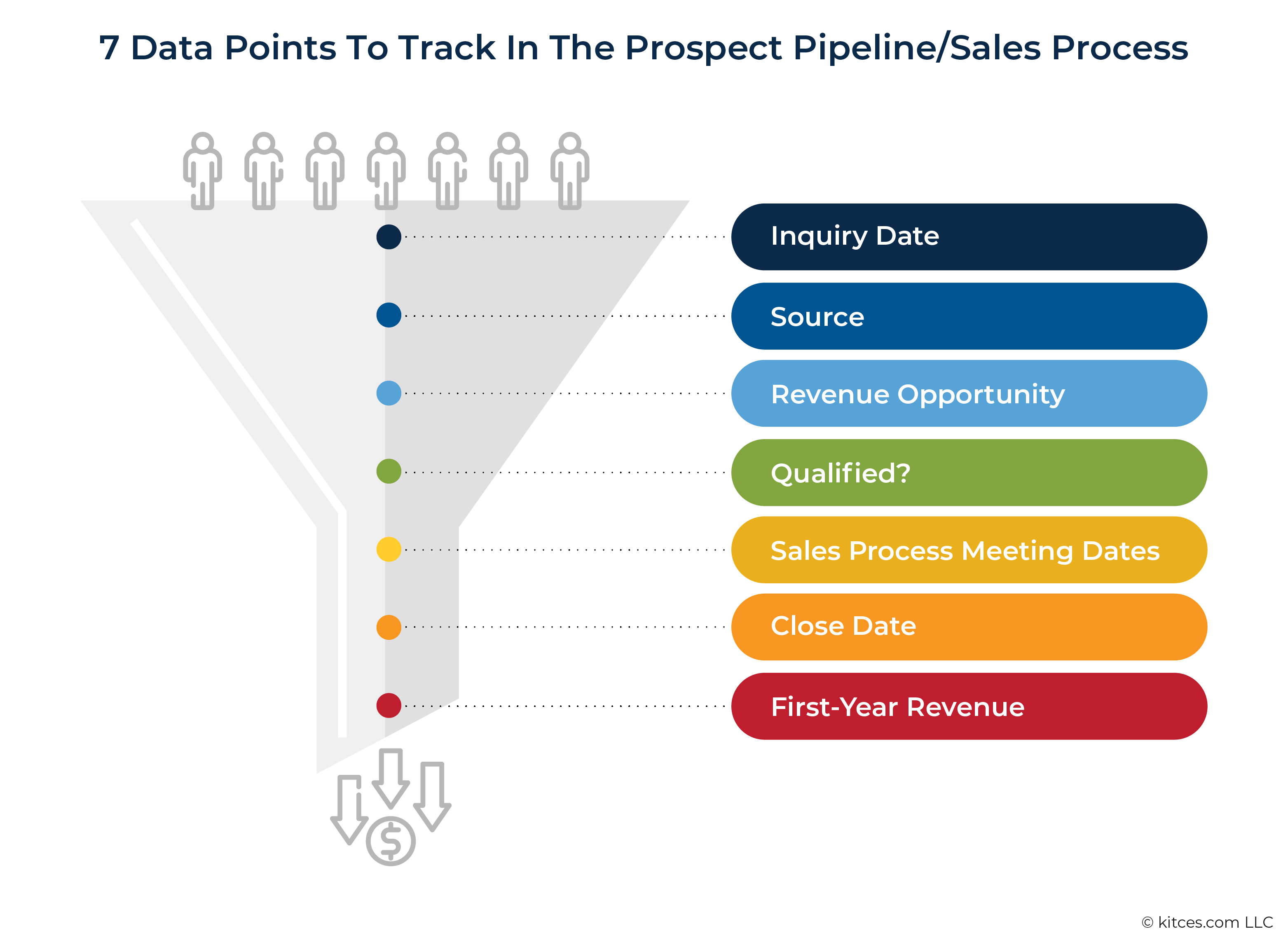
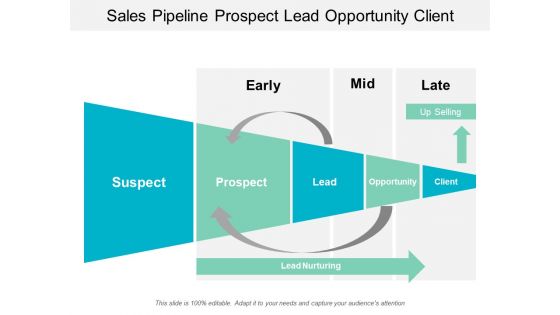
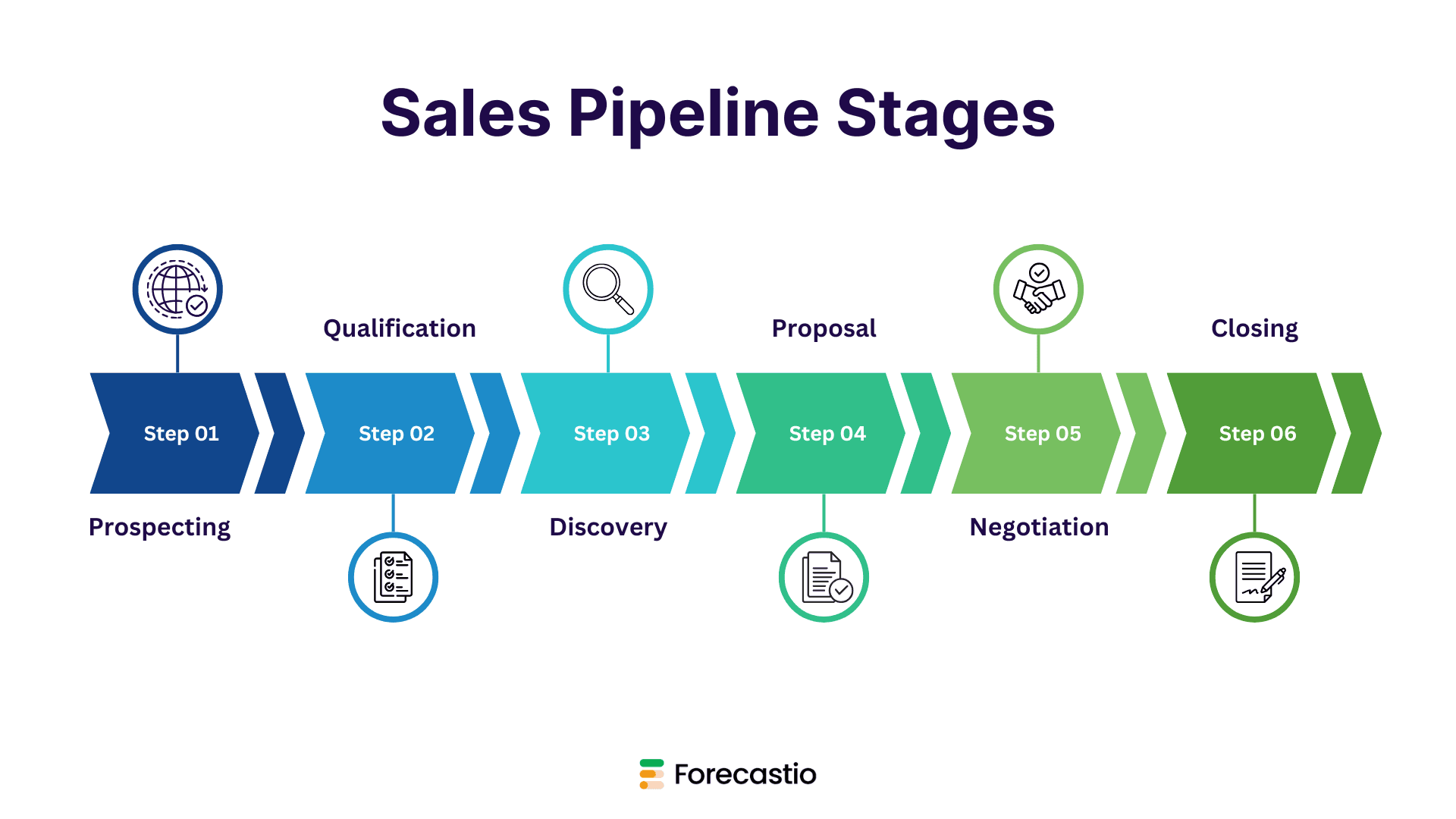
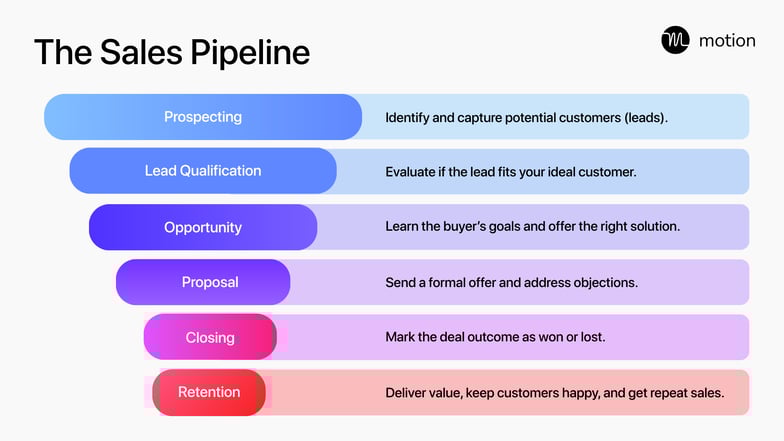
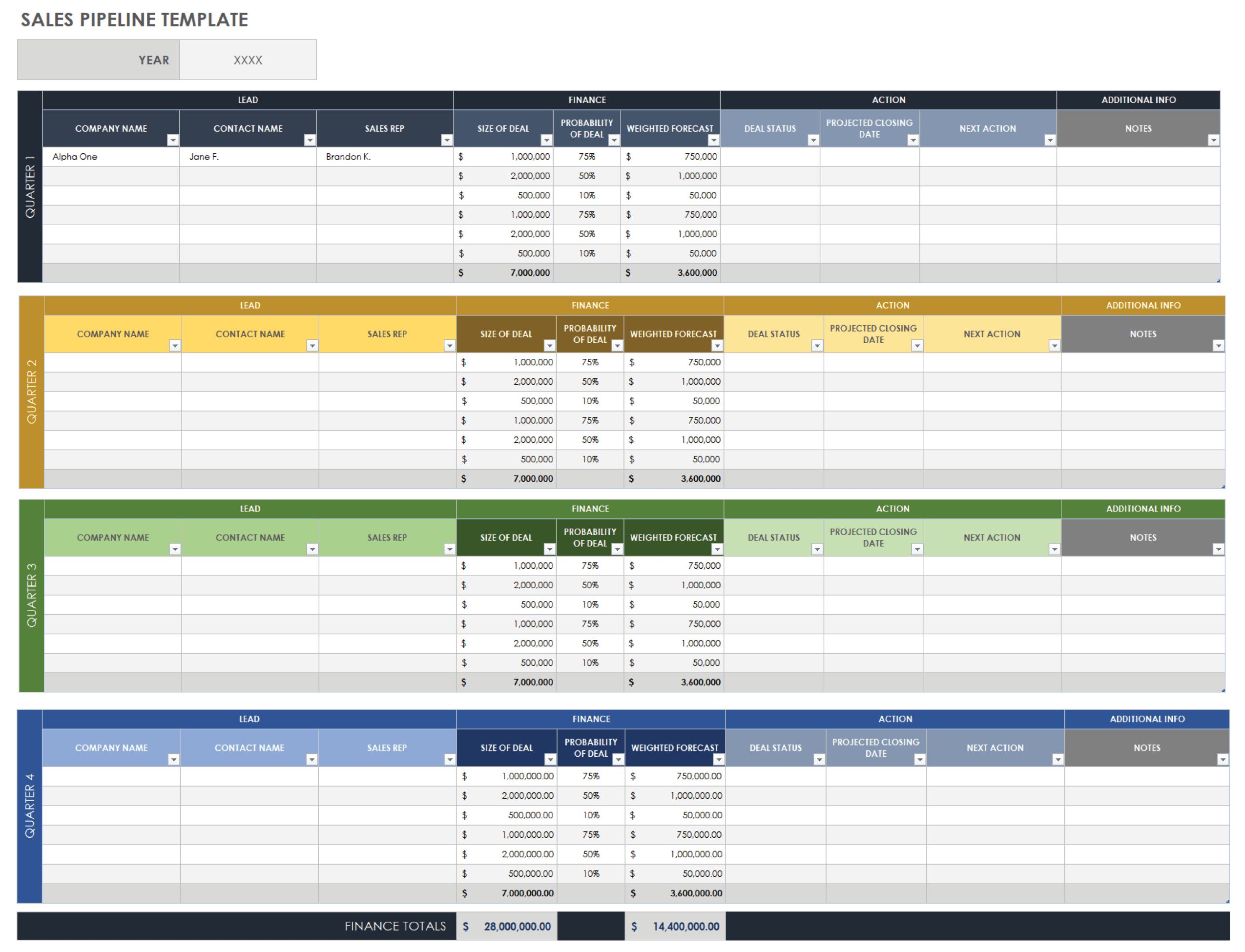
How can lastdatabase.com support sales pipeline planning?
LastDatabase can support sales pipeline planning primarily at the top of the funnel—by helping teams estimate, source, segment, and prioritize potential accounts before they enter the CRM.
Practical uses
- Size the addressable market: Research companies and contacts by country, industry, job title, city, and technology to estimate how many prospects fit the ideal customer profile (ICP).
- Create territory plans: Split potential accounts by geography, vertical, role, or technology so managers can assign prospecting targets to specific reps or regions.
- Map buying committees: Build separate lists of executives, managers, technical specialists, and other decision-makers who may influence a purchase.
- Prioritize account lists: Use firmographic, role, location, and technology context to rank accounts before outreach rather than treating every record equally.
- Forecast prospecting capacity: Available-record counts, sample records, pay-per-lead purchases, and monthly access can help teams plan list acquisition and campaign volume.
- Feed CRM and sales workflows: The platform states that API access can support lead searches, filtering, CRM enrichment, and scalable lead-generation workflows.
- Support pipeline experiments: Teams can test a small segment—such as one industry and job title in a target country—measure response and conversion, then expand the best-performing segment.
Example planning model
A team selling ERP software could:
- Define target industries, company sizes, countries, and relevant technology environments.
- Pull separate audiences for CFOs, operations leaders, and IT decision-makers.
- Assign each segment to a rep or outbound sequence.
- Set activity and conversion assumptions—for example, contacts → conversations → qualified opportunities.
- Import qualified records into the CRM with source, territory, segment, and owner fields.
- Recalculate expected pipeline as actual connection, meeting, opportunity, and win rates become available.
Limitation: LastDatabase appears to provide prospect data, filters, inventory, and API access—not the complete pipeline-management layer. It should therefore complement a CRM or revenue-planning system that handles stages, opportunity values, activity tracking, forecasting, deduplication, suppression, and closed-loop conversion reporting. Also validate data accuracy, consent, and applicable outreach laws before activation.
Related
Can lastdatabase.com help businesses prepare future sales opportunities?
Yes. LastDatabase can help businesses prepare future sales opportunities by supplying the prospect data needed to build and maintain an early-stage sales pipeline.
Businesses can use it to:
- Identify future target accounts using country, industry, job-title, and company filters.
- Build segmented prospect lists for different products, territories, or buyer personas.
- Find relevant decision-makers and prepare personalized outreach before prospects are actively buying.
- Support recurring prospecting by refreshing lists, monitoring data quality, and developing a consistent flow of new leads.
- Feed sales and marketing workflows through its B2B data and API capabilities.
A sensible approach is to create a “future opportunities” segment in the CRM, assign each prospect a territory and buyer role, record the source and date, and schedule periodic data validation and nurturing. LastDatabase can help populate this pipeline, but a CRM or sales-engagement platform is still needed to manage follow-ups, opportunity stages, forecasting, and conversion tracking. Its own guidance also emphasizes defining the audience clearly, keeping outreach relevant, monitoring response rates and data quality, and following compliant marketing practices. 2
Related


Ask your own follow-ups
Komo answers with sources. Pick up this thread in your own history and keep digging.