Shared search · Sep 13, 2026
How can businesses classify Last Database records?
Businesses can classify database records using a consistent, multi-level scheme:
- Business function – Group records by department or purpose, such as finance, operations, legal, marketing, sales, or HR.
- Record class – Divide each function into categories. For example, finance may include accounts payable, accounts receivable, payroll, and tax records.
- Record type – Create more specific categories, such as invoices, payment records, aging reports, contracts, or employee files. This three-tier approach is a common records-management best practice.
1
They should also apply metadata to each record, including:
- Sensitivity: public, internal, confidential, or restricted
- Data subject or owner: customer, employee, supplier, or business unit
- Lifecycle status: active, archived, or scheduled for deletion
- Retention requirement: how long it must be kept
- Access permissions: who may view, edit, or export it
- Date and source: creation date, last modification date, and originating system
A practical example:
| Classification level | Example |
|---|---|
| Function | Finance |
| Record class | Accounts payable |
| Record type | Supplier invoice |
| Sensitivity | Confidential |
| Status | Active |
| Retention | Seven years, or the applicable legal period |
| Access | Finance and approved auditors |
Businesses should first inventory their records, use the classification consistently across structured and unstructured formats, and connect each category to access controls and a retention schedule. 1 Retention periods should reflect applicable laws, industry rules, litigation holds, and operational needs; records should not be deleted while subject to a legal hold.
2
If by “Last Database” you mean a specific database product or platform, provide its name and I can tailor the classification scheme to it.
Related
How can businesses group Last Database records?
Businesses can group database records by shared characteristics, such as:
- Business function: customers, sales, inventory, employees, suppliers, or finance
- Record type: invoices, orders, contracts, support tickets, or transactions
- Time period: day, month, quarter, or year
- Status: active, pending, completed, cancelled, or archived
- Geography: country, region, branch, or territory
- Customer or product attributes: industry, customer segment, product category, or service plan
- Sensitivity: public, internal, confidential, or restricted
Database systems commonly use fields such as category, status, region, and created_date to create these groups. For example, a company could group customer records by region, then by customer segment, and finally by account status.
Grouping should be based on clearly defined fields and consistent values. Businesses can then use the groups for reporting, access control, retention, compliance, and analytics; classification is specifically intended to organize data according to characteristics such as sensitivity, risk, and regulatory requirements. 1
4
If “Last Database” refers to a specific software product, share its name or a link so the grouping steps can be tailored to that system.
Related
How can businesses label Last Database prospects?
Businesses can label prospects in a lead database using consistent fields that show fit, interest, and sales status:
- Lead temperature: cold, warm, or hot
- Qualification stage: unqualified, marketing-qualified lead (MQL), sales-qualified lead (SQL), or opportunity
- Customer fit: ideal, good, marginal, or poor fit based on industry, company size, role, and budget
- Engagement level: no engagement, contacted, opened email, attended an event, requested information, or booked a meeting
- Buying timeline: immediate, 1–3 months, 3–12 months, or unknown
- Decision-making role: decision-maker, influencer, evaluator, or end user
- Source: website, referral, event, paid campaign, social media, or purchased list
- Sales status: new, assigned, nurturing, contacted, converted, lost, or disqualified
For example:
| Field | Label |
|---|---|
| Fit | High |
| Stage | MQL |
| Temperature | Warm |
| Engagement | Downloaded pricing guide |
| Timeline | 1–3 months |
| Role | Decision-maker |
| Next action | Sales follow-up |
Lead types commonly include cold, warm, hot, IQL, MQL, PQL, and SQL, with each indicating a different level of interest or readiness. 4 Businesses should also keep contact details, company information, engagement history, and qualification data accurate and centralized so teams can target and prioritize prospects effectively.
2
Use a lead score combining fit and behavior—for example, company fit plus website visits, content downloads, email responses, and meeting requests. Define each label clearly and review records regularly to remove duplicates and outdated information. 2
If “Last Database” refers to a particular platform, share its name for platform-specific labeling steps.
Related
How can businesses prepare lastdatabase.com records for internal teams?
 wordpress6[PDF] Structured Data Managed within Databases - National Archives
How can businesses distribute lastdatabase.com records across departments?
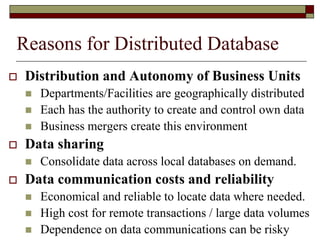
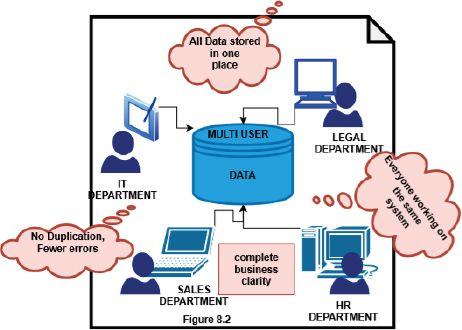
Businesses can distribute LastDatabase records across departments by using a controlled, centralized workflow rather than emailing or uploading the full database to every team.
Recommended workflow
-
Review the package first
Confirm the dataset’s available fields, filters, source context, delivery method, and intended use before importing it. LastDatabase says these details can vary by package.6
-
Create one governed master copy
Import the records into the company CRM or data warehouse as the single source of truth. Keep the original file securely archived and record:- Provider and package name
- Purchase/import date
- Countries and industries covered
- Permitted or intended use
- Source and freshness information
- Opt-out, suppression, and deletion status
-
Standardize and clean the data
Normalize company names, job titles, countries, phone numbers, and email addresses; remove duplicates; validate required fields; and flag incomplete or outdated records. Add a unique record ID so updates from one department do not create duplicates. -
Segment records by business purpose
Useful routing fields include:- Territory, country, or sales region
- Industry and company size
- Department or job function
- Seniority and decision-making role
- Product interest
- Lead score or priority
- Assigned account owner
- Contact-permission and suppression status
-
Give departments filtered views—not unrestricted copies
| Department | Appropriate access |
|---|---|
| Sales | Assigned accounts, decision-makers, territory, contact details, outreach status |
| Marketing | Approved campaign segments, industry, role, geography, engagement and suppression fields |
| Customer success | Records linked to existing accounts and renewal or expansion opportunities |
| Partnerships | Relevant companies, executives, industry, and strategic-account fields |
| Market research | Aggregated or pseudonymized company and segment data where individual contact details are unnecessary |
| Finance/procurement | Vendor, purchase, contract, and usage records—not the entire prospect database |
| Compliance/security | Provenance, permissions, deletion requests, audit logs, and access history |
-
Apply role-based permissions
Use least-privilege access: each employee should receive only the records and fields needed for their duties. NIST defines this as restricting access to the minimum necessary to accomplish assigned tasks.13 For example, analysts may see company and industry data while sales representatives see contact fields only for their assigned territory.
-
Control exports and integrations
Require approval for CSV downloads, restrict API access, use secure transfer methods, watermark exports, and log who accessed or changed records. Avoid sending raw files through email or storing them in uncontrolled shared drives. -
Keep suppression and compliance data synchronized
Maintain a company-wide do-not-contact list and propagate opt-outs, deletion requests, bounced emails, and legal restrictions to every department and connected marketing tool. Business contact information—including names, job titles, and individual business email addresses—can still be personal data under GDPR.19
-
Verify lawful use before outreach
LastDatabase states that customers are responsible for determining whether their intended use is lawful in the relevant jurisdictions and prohibits unlawful harassment, fraud, discrimination, and deception. -
Review access regularly
Remove access when employees change roles or leave, review permissions periodically, and delete or refresh records according to the company’s retention policy.
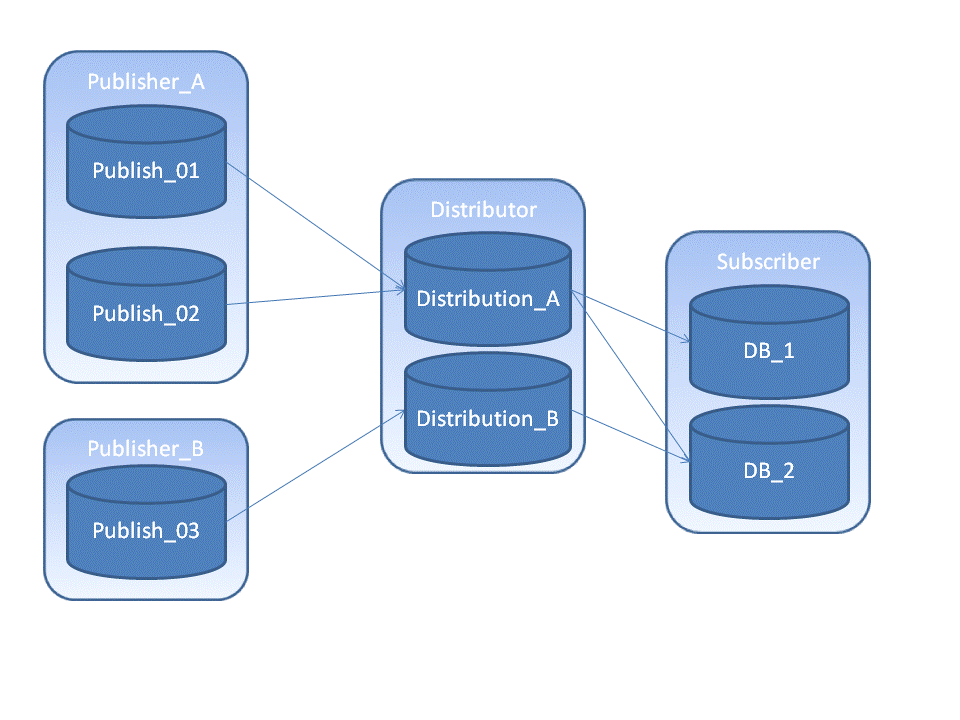
A practical model is: LastDatabase → secure staging area → deduplication/compliance checks → central CRM → department-specific views → controlled campaign or sales tools.
Related



Ask your own follow-ups
Komo answers with sources. Pick up this thread in your own history and keep digging.