Shared search · Sep 13, 2026
How can I define geographic criteria for Last Database?
Define geographic criteria using a hierarchy and standardized location fields:
- Country or region: e.g., United States, Western Europe, APAC
- State/province: e.g., California, Ontario
- City or metro area: e.g., San Francisco Bay Area
- Postal code or ZIP code: useful for precise targeting
- Radius: include records within a specified distance of a city or coordinate
- Administrative boundaries: counties, districts, territories, or sales regions
- Coordinates or polygons: best for custom service areas
- Include/exclude rules: for example, include New York State but exclude New York City
A practical criterion might be:
Include businesses headquartered in California or within 50 miles of San Francisco; exclude records with missing or unverifiable addresses.
Use consistent geographic identifiers—such as ISO country codes, state codes, or GEOIDs—so records can be reliably grouped and matched. GEOIDs are unique identifiers for geographic areas including states, counties, metropolitan areas, census tracts, and blocks.1
If “Last Database” refers to a specific platform or database product, its exact field names and filter syntax may differ.
Related
How can I define industry criteria for Last Database?
Define industry criteria for Last Database using a combination of standardized classifications and descriptive filters:
- Primary industry: Select the company’s main business activity, such as manufacturing, healthcare, finance, or retail.
- NAICS codes: Use six-digit NAICS codes for precise targeting; NAICS classifies establishments according to the production processes they use.
1
6
- SIC codes: Include SIC codes when the database or legacy records use them. SIC remains common in business directories, although NAICS has officially replaced it.
3
- Industry hierarchy: Specify the desired level—sector, subsector, industry group, or detailed industry. Broader codes produce more results; detailed codes improve precision.
- Products and services: Add keywords for offerings, technologies, or customer types that classification codes may not capture.
- Business model or specialization: Distinguish, for example, commercial plumbers from residential plumbers, or medical-device manufacturers from general manufacturers.
- Include/exclude rules: Include selected NAICS/SIC codes and exclude adjacent industries or irrelevant business models.
- Validation criteria: Require the industry to be supported by the company website, business description, or another reliable source when accuracy is important. Industry codes alone may be too broad for narrowly defined targets.
5
Example criterion:
Include U.S. companies with NAICS 541511—custom computer programming services—or closely related software-development codes; include firms whose websites mention cloud application development; exclude staffing agencies, hardware retailers, and general IT resellers.
A robust definition should state the classification system and version, selected codes, keyword requirements, exclusions, and whether classification is based on the company’s primary activity. NAICS is generally preferable for current U.S. industry segmentation because it offers more detailed six-digit categories, while SIC codes are four-digit and older.3
Related
How can I define company criteria for Last Database?
Define company criteria for Last Database as a clear ideal customer profile (ICP) using firmographic, structural, and growth attributes. Firmographic data commonly includes industry, employee count, revenue, headquarters, ownership, and growth trajectory.1
5
Recommended criteria
- Company size: employee range, such as 50–500 employees
- Revenue: annual revenue range, such as $10M–$100M
- Industry: NAICS, SIC, industry keywords, or sub-industry
- Geography: headquarters, operating locations, regions served, or sales territory
- Company type: public, private, nonprofit, government, or PE-backed
- Company age: founding year or minimum operating history
- Ownership structure: standalone company, parent, subsidiary, or franchise
- Growth signals: employee growth, hiring activity, recent funding, or expansion
- Technology used: relevant software, platforms, or infrastructure
- Company status: active, acquired, inactive, or recently closed
Example definition
Include active, privately held U.S. companies in the healthcare-software industry with 100–1,000 employees, $25M–$500M in annual revenue, founded after 2010, and at least 10% employee growth in the past year. Exclude subsidiaries, nonprofits, government entities, and companies with unverifiable websites.
Use AND for essential requirements and OR for acceptable alternatives:
Industry = healthcare software AND employees = 100–1,000 AND revenue = $25M–$500M AND location = United States.
Start with the most reliable fields—industry, employee count, revenue, and headquarters—then layer on ownership, company age, technology, and growth signals. Company-level databases can contain stale or estimated data, so specify a required verification date, acceptable missing-data rate, and whether headquarters or branch locations should determine eligibility.1
6
If “Last Database” has its own filter names or query syntax, map these criteria to those fields rather than assuming the platform uses standard labels.
Related
How can I define professional criteria for Last Database?
Define professional criteria for Last Database as the characteristics of the individual you want to identify—not the company. Focus on role, seniority, responsibilities, experience, skills, and qualifications.
Recommended criteria
- Job function: Sales, marketing, finance, IT, operations, procurement, HR, or executive leadership
- Job title: Use title variations and synonyms, such as Chief Financial Officer, CFO, VP Finance, and Finance Director
- Seniority: Owner, partner, C-level, vice president, director, head, manager, or individual contributor
- Department: Specify the relevant department separately from the title
- Responsibilities: Include people who own a particular decision or process, such as database security, cloud migration, recruiting, or purchasing
- Professional experience: Minimum years in the field, current-role tenure, or previous experience in a target industry
- Skills and technologies: Require tools, platforms, certifications, or technical capabilities relevant to the objective
- Education and credentials: Degree, license, certification, or professional designation where genuinely necessary
- Location: Country, state, metro area, or willingness to work remotely
- Contact status: Current employee, verified work email, active LinkedIn profile, or recently updated record
For technical database roles, criteria might include SQL, database design, security, server maintenance, and database-management experience; common qualifications can also include a bachelor’s degree and several years of IT experience.5 Database work ranges from querying and reporting to designing, securing, and maintaining systems, so define the required proficiency level rather than using “database experience” alone.
3
Example definition
Include current U.S.-based IT and data professionals with titles containing Database Administrator, Database Architect, Data Engineer, or Head of Data, at manager level or above, with at least five years of relevant experience and expertise in SQL plus one of PostgreSQL, Oracle, SQL Server, Snowflake, or AWS database services. Exclude students, recruiters, consultants without an identified client-side role, and former employees.
Use AND for must-have conditions and OR for acceptable alternatives:
Function = IT/data AND seniority = manager/director/C-level AND title = DBA/architect/data engineer AND SQL = required.
Add exclusions for misleading titles—for example, exclude “sales engineer” if you need people who directly manage databases. Because titles vary significantly between organizations, combine normalized seniority and department fields with title keywords and responsibility terms rather than relying on one title alone. This is especially important because database responsibilities and required skills vary by role.2
5
Related
How can I define market criteria for Last Database?
Define market criteria for Last Database by describing the market segment you want to analyze, target, or build a list around. Market sizing is usually based on the number of potential customers or revenue opportunity within a clearly defined segment.1
3
Recommended criteria
- Market or industry: e.g., cybersecurity, healthcare, fintech, manufacturing
- Submarket or niche: e.g., hospital cybersecurity rather than healthcare generally
- Geography: country, region, state, city, or service area
- Customer type: B2B, B2C, government, nonprofit, enterprise, or small business
- Customer profile: company size, revenue, demographics, or buyer type
- Market size: number of potential customers, annual spending, or revenue opportunity
- Growth rate: historical or projected market growth
- Demand signals: search interest, hiring, funding, purchasing activity, or product adoption
- Competitive intensity: number and strength of existing competitors
- Market accessibility: sales reach, distribution availability, regulations, and cost to acquire customers
- Time frame: current market, last 12 months, or projected market by a specific year
A viable target market should generally be evaluated by size, expected growth, competitive position, cost to reach, and fit with your capabilities.5 Separate the overall TAM from the portion you can actually serve (SAM) and the realistic near-term portion you can capture (SOM).
2
Example definition
Target the U.S. mid-market healthcare software market, consisting of private healthcare providers and health-tech companies with 100–2,000 employees, estimated annual technology spending above $100,000, strong cloud-adoption signals, and projected market growth of at least 8% annually. Exclude government agencies, nonprofits, companies outside the U.S., and markets with no verifiable demand data.
Use AND for required conditions and OR for acceptable alternatives:
Market = healthcare software AND geography = United States AND company size = 100–2,000 employees AND growth = 8%+ AND demand signal = cloud adoption or recent technology hiring.
For a practical Last Database setup, begin with market, geography, customer type, and size. Add growth, demand, competition, and accessibility criteria only after the initial segment is narrow enough to evaluate consistently. Market size alone is not sufficient: a large market may be saturated, difficult to reach, or poorly aligned with your product.1
5
Related
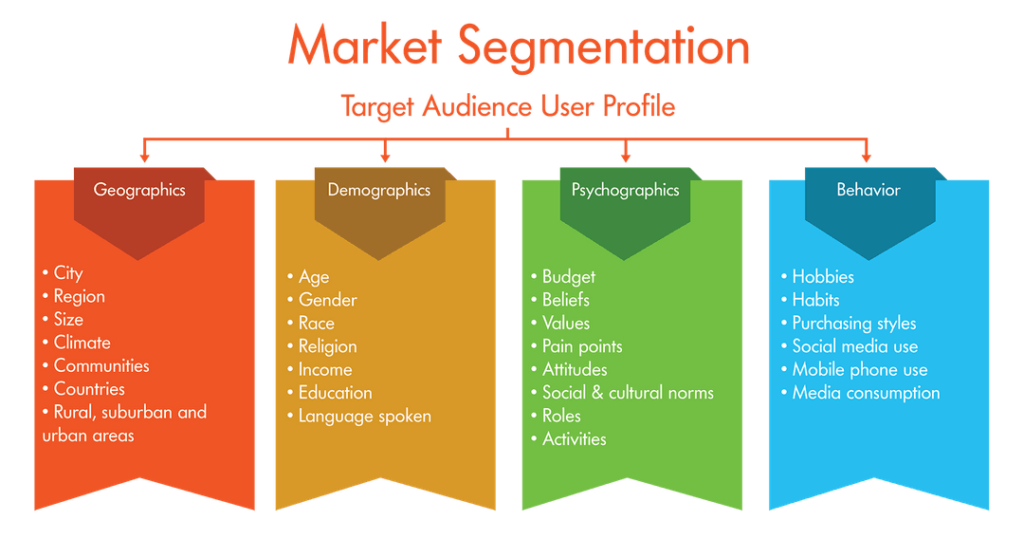
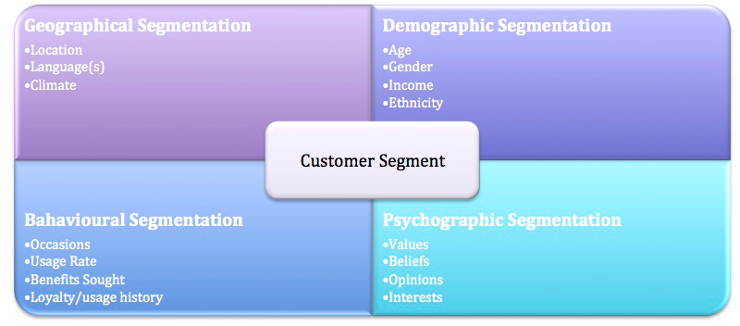
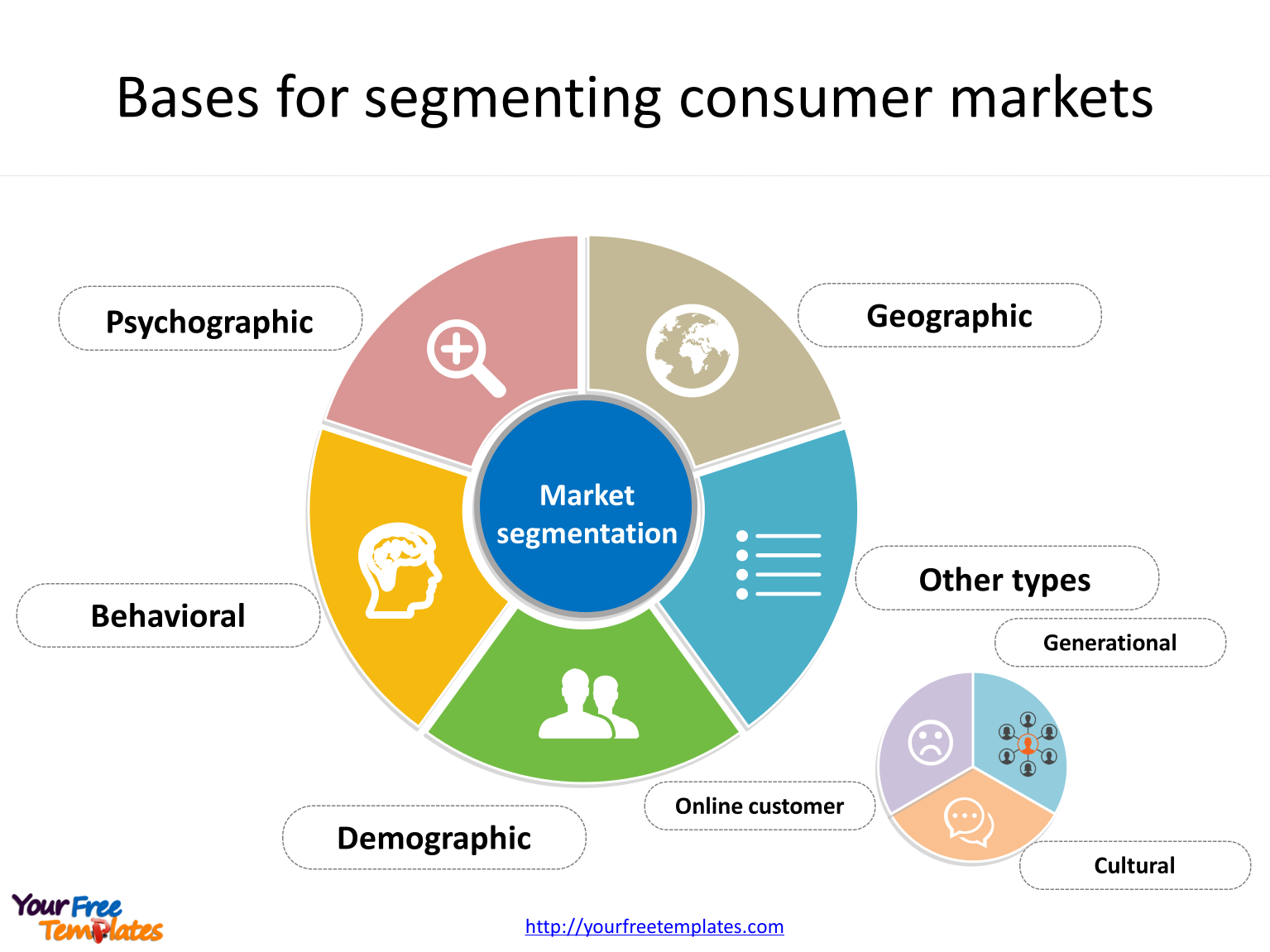
How can I define segmentation criteria for lastdatabase.com?
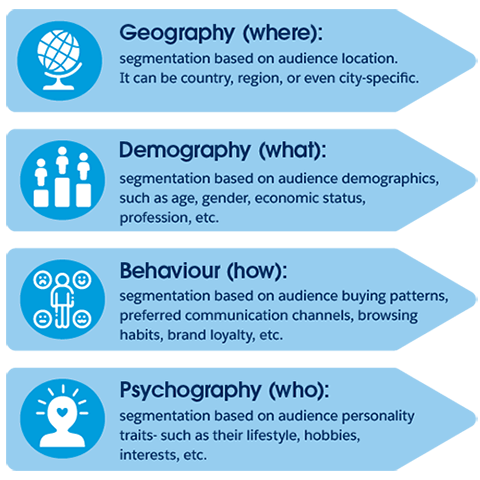
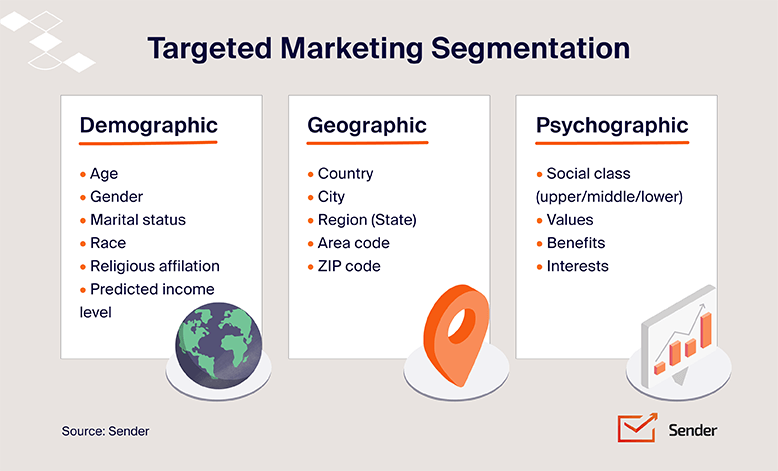
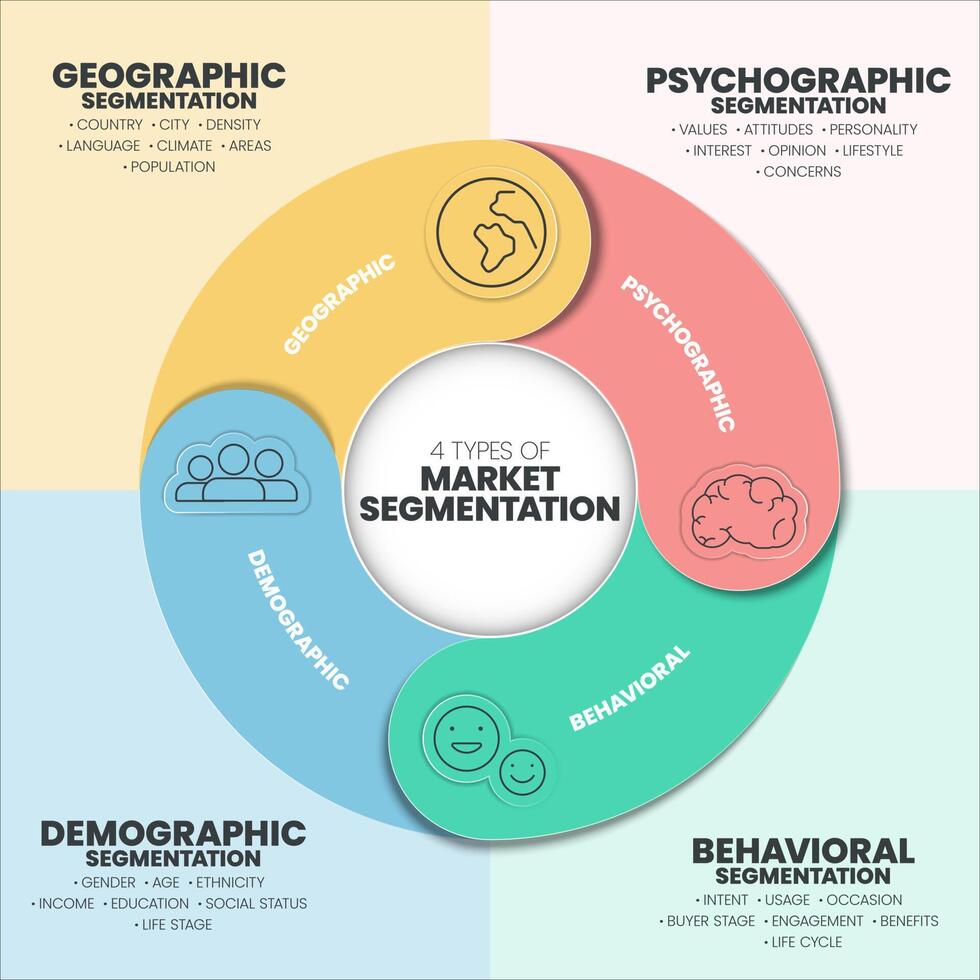
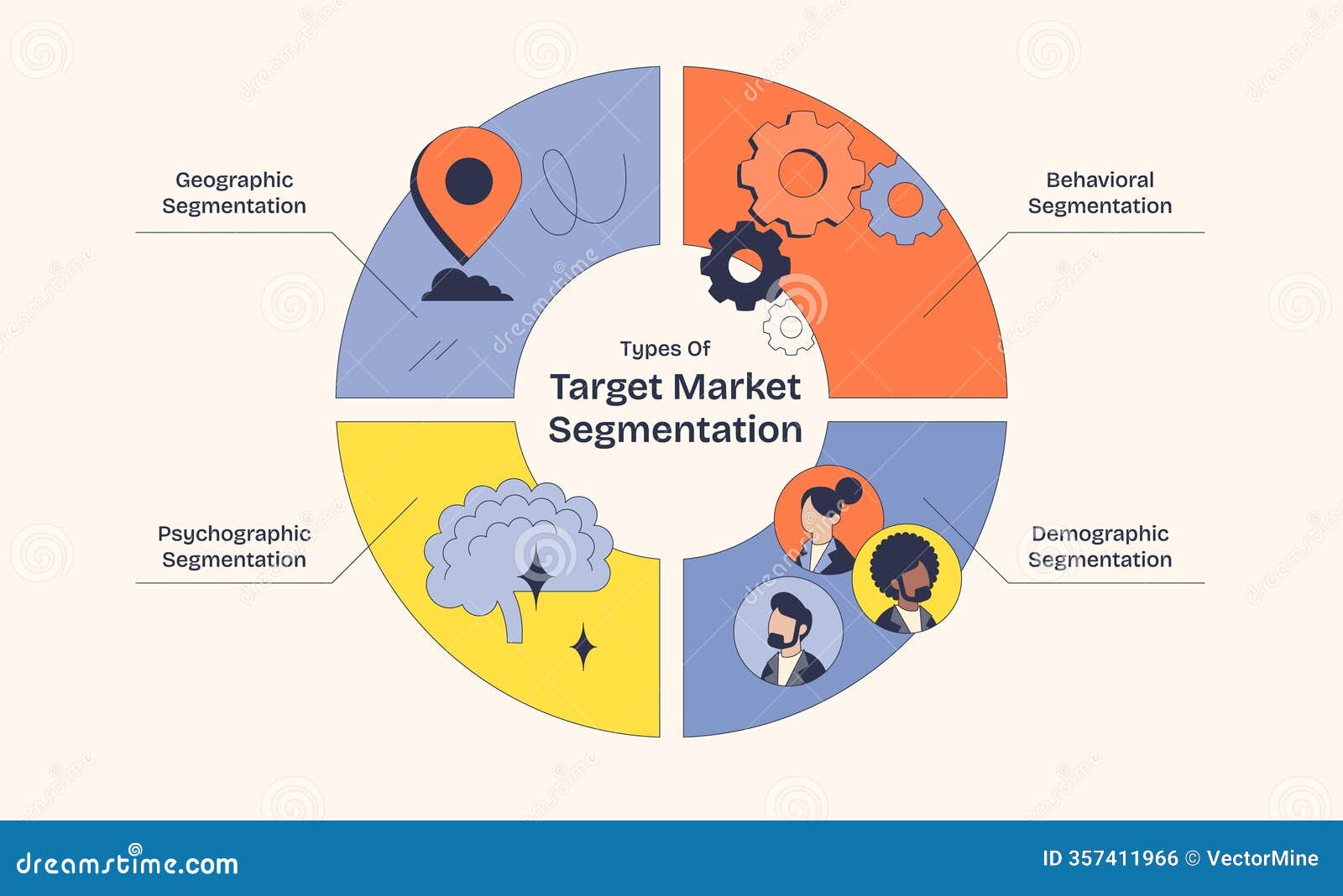
Define segmentation criteria for LastDatabase.com by grouping prospects that share relevant business characteristics, needs, or behaviors. LastDatabase supports targeting business and consumer audiences using fields such as country, industry, job title, technology, category, and communication channel.1
Core segmentation criteria
- Geography: Country, state, city, region, or service area
- Industry: Primary industry and specific niche or subindustry
- Company profile: Employee count, annual revenue, business type, and growth stage
- Decision-maker profile: Job title, department, seniority, and role in the purchase
- Technology: Software, platforms, infrastructure, or tools currently used
- Business category: Product type, service category, or customer classification
- Intent or behavior: Recent hiring, funding, expansion, technology adoption, or other available buying signals
- Contact channel: Verified business email, direct phone, mobile, or other permitted channel
- Data quality: Current company, valid contact information, recently verified record, and duplicate-free entry
Example segmentation definition
Target U.S. SaaS companies with 50–500 employees, using Salesforce or HubSpot, and contact VP-level or director-level sales and marketing decision-makers. Prioritize companies showing recent hiring or expansion signals, and require a verified business email. Exclude agencies, recruiters, students, and duplicate or inactive records.
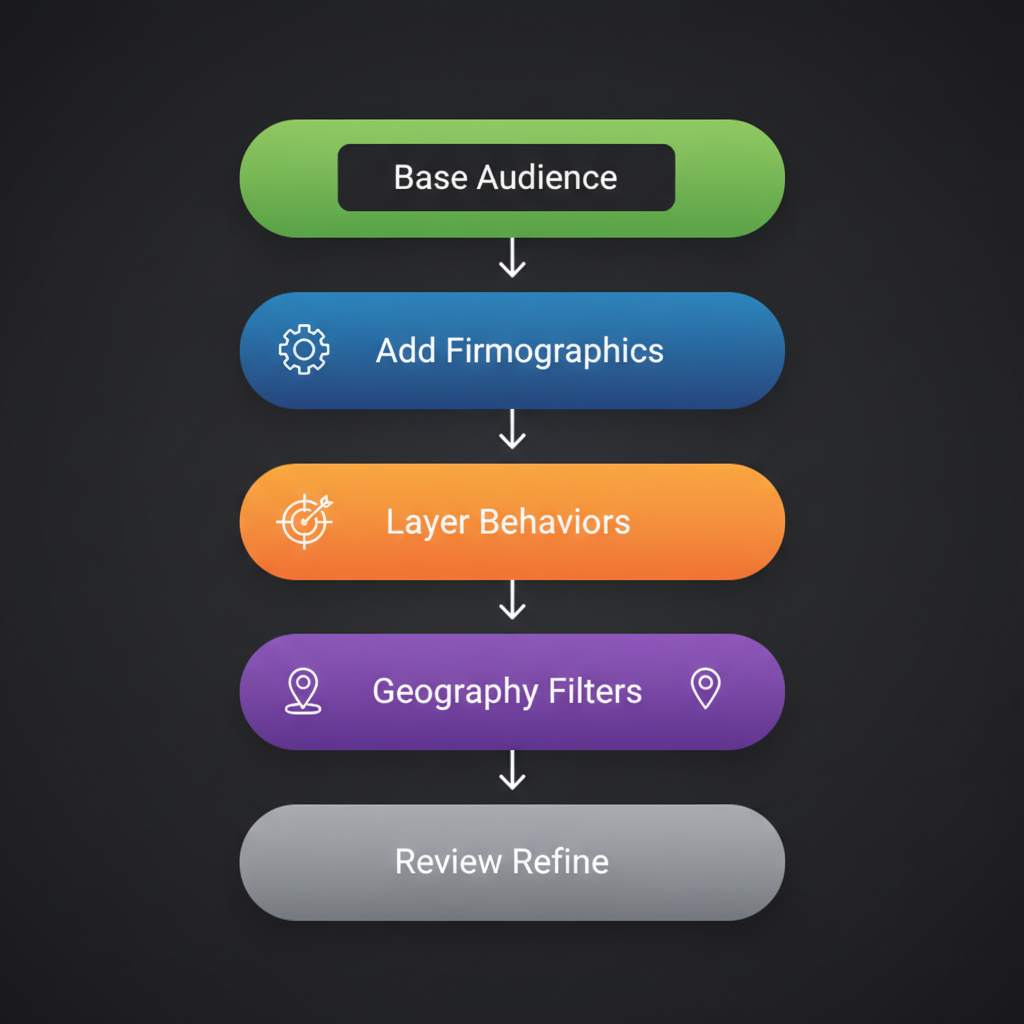
Use layered filters
A practical structure is:
- Firmographic: Industry + geography + employee count or revenue
- Professional: Department + job title + seniority
- Technographic: Tools or platforms used
- Behavioral: Intent, hiring, funding, or engagement signals
- Reachability: Approved communication channel and verification status
For example:
Industry = SaaS AND country = United States AND employees = 50–500 AND title = VP Sales/Director of Sales AND technology = Salesforce.
Use AND for requirements and OR for acceptable alternatives—for example, VP Sales OR Sales Director. Keep each segment narrow enough to receive a distinct message; segmentation is useful because it groups people with shared characteristics and enables more targeted outreach.2
Avoid defining a segment only as “all businesses.” A strong segment combines who the company is, who the buyer is, what technology or need they have, where they operate, and how you can contact them. Also verify that outreach complies with applicable privacy, marketing, and platform rules before using the data.
Related
How can I define campaign criteria for lastdatabase.com?
Define campaign criteria for LastDatabase.com as a set of filters that identifies the right audience for a specific outreach campaign. LastDatabase lets you search for business and consumer audiences using criteria such as country, industry, job title, technology, category, and communication channel.9
Recommended campaign criteria
-
Campaign objective
Define the desired outcome: lead generation, event promotion, product launch, market research, recruitment, or account-based outreach. -
Geography
Specify countries, regions, states, cities, or postal areas. -
Industry and category
Choose the target industry and narrow it to a relevant subcategory where possible. -
Company profile
Add employee count, revenue, company type, growth stage, or other available firmographic fields. -
Contact profile
Select job titles, departments, seniority, and decision-making roles. -
Technology criteria
Target companies using particular software, platforms, cloud providers, or other technologies. -
Data channel
Decide whether you need business email addresses, phone numbers, executive contacts, or another available data type. LastDatabase specifically lists email lists, phone databases, executive contacts, company data, industry filters, country targeting, and API access among its offerings.15
-
Exclusions and quality rules
Exclude existing customers, competitors, irrelevant industries, duplicate records, inactive companies, and contacts without the required channel or verification status. -
Campaign timing and size
Set the required record volume, data recency, and delivery schedule.
Example
Campaign: Promote cybersecurity software
Geography: United States and Canada
Industry: Financial services and fintech
Company size: 100–2,000 employees
Contacts: CIO, CISO, VP IT, and IT Director
Technology: Cloud infrastructure or endpoint-security tools
Channel: Verified business email
Exclusions: Existing customers, competitors, generic role accounts, and duplicate contacts
Use AND between required criteria and OR for equivalent alternatives:
Country = United States AND industry = fintech AND employees = 100–2,000 AND title = CISO OR CIO.
Start with a sample before purchasing the full database; LastDatabase’s documented workflow is to find a database, review samples, purchase it, and download or access it.10
16
Important: The available LastDatabase documentation supports audience discovery, database purchasing, downloads, and API access, but does not establish that LastDatabase itself provides full campaign execution—such as automated sequences, ad activation, consent management, or campaign analytics. You may need to export or connect the data to your CRM, email, or sales-engagement platform.10
16
Before contacting people, apply the consent, privacy, suppression-list, and email/telemarketing requirements applicable to your audience and jurisdiction.
Related
Ask your own follow-ups
Komo answers with sources. Pick up this thread in your own history and keep digging.