Shared search · Sep 10, 2026
What is a database?
 amazon5What the hell *is* a database anyway? : r/compsci - Reddit
A database is an organized collection of data that a computer can store, search, update, and manage efficiently. 1
For example, an online store’s database might contain:
- Customer names and addresses
- Product details and prices
- Orders and payment records
- Inventory levels
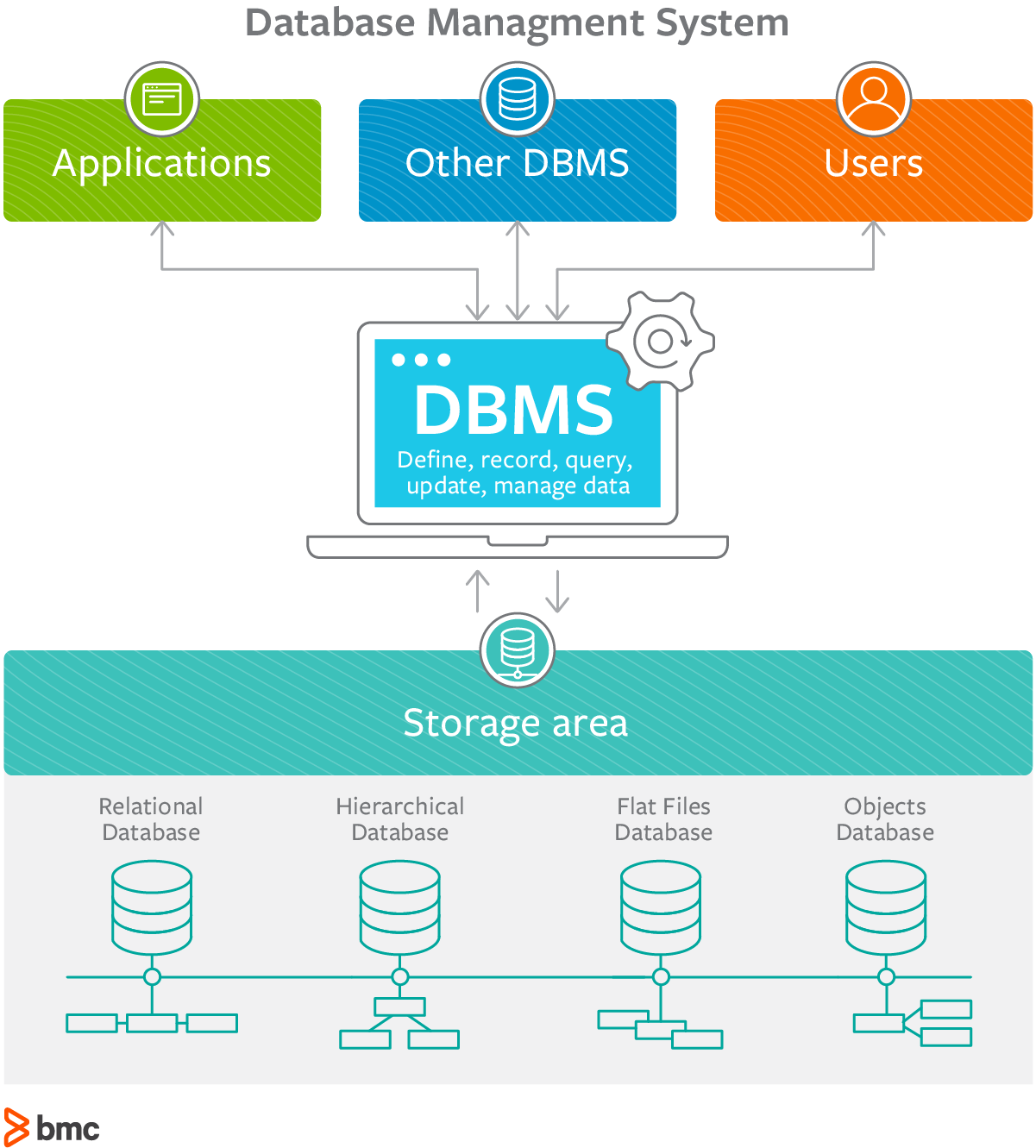
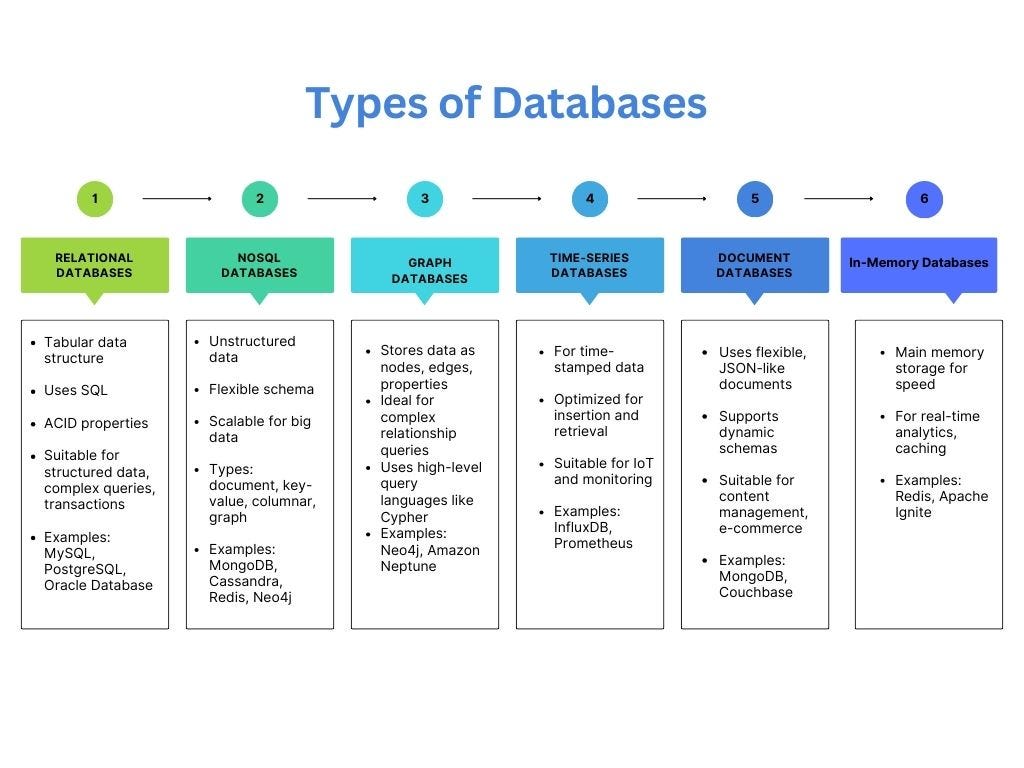
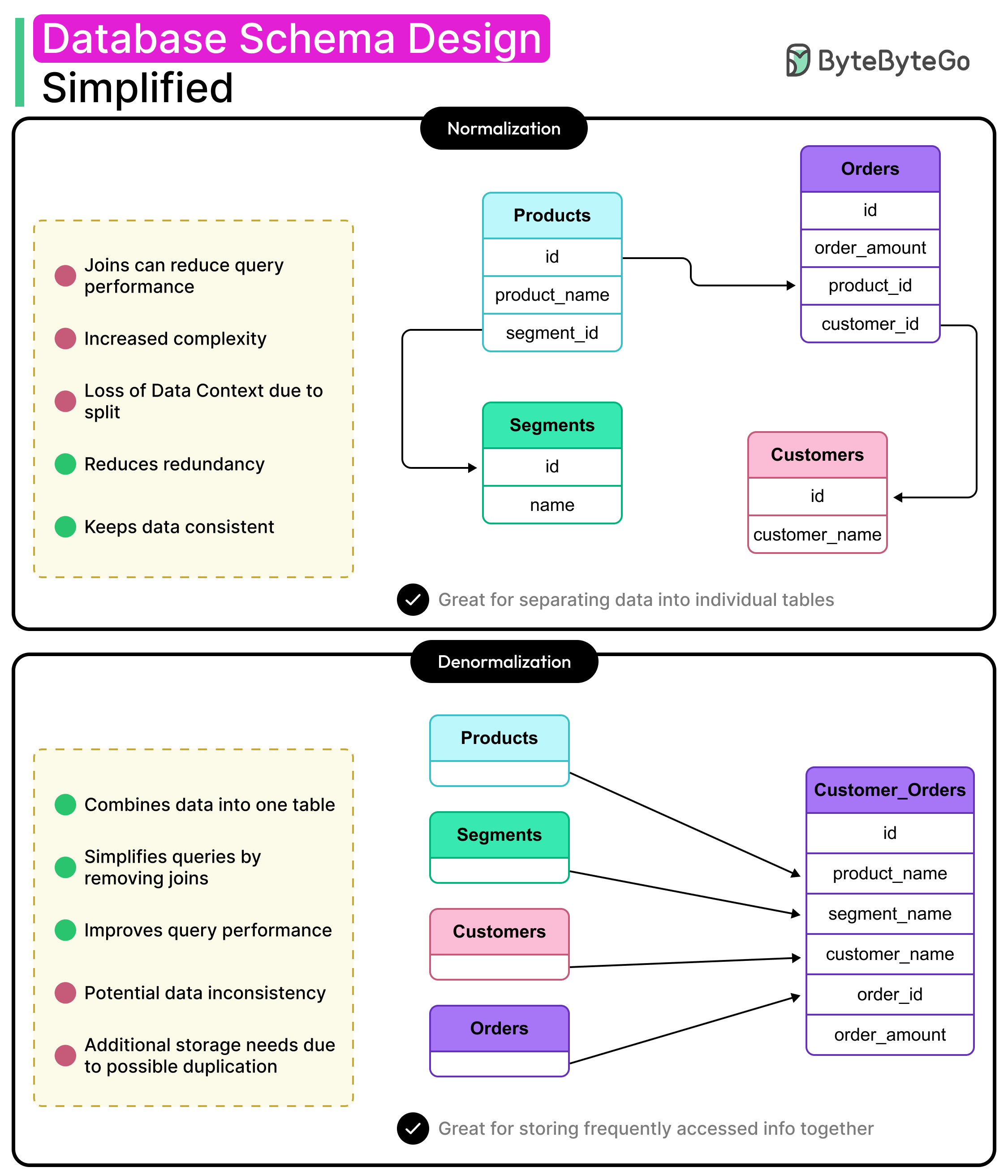
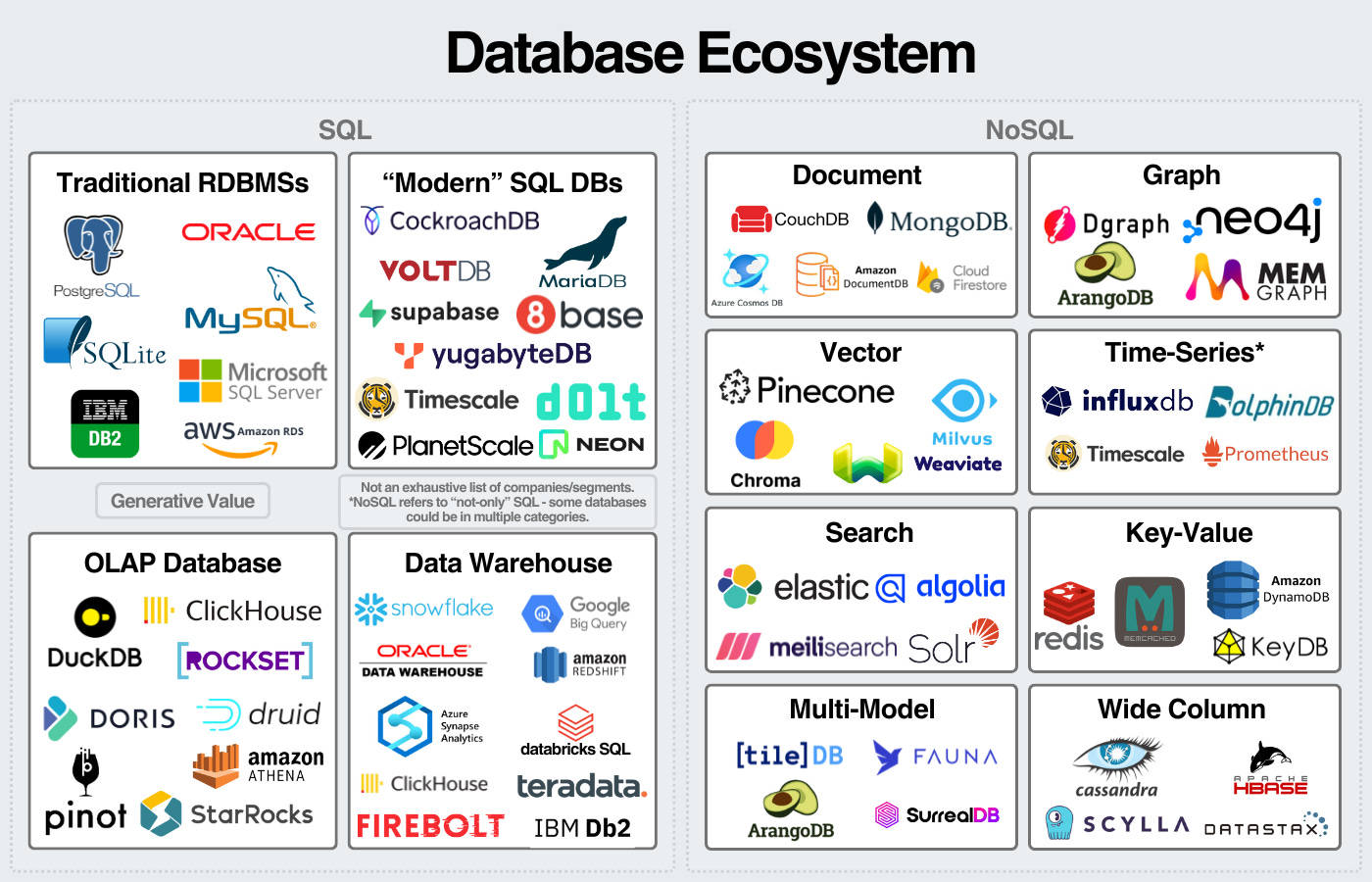
A database management system (DBMS) is the software used to interact with the database. Relational databases store information in tables made of rows and columns, and are commonly queried using SQL. 2
Unlike a typical spreadsheet, databases are designed to handle much larger amounts of data, support many users simultaneously, and enforce rules for security and consistency. 2
Related
What is a business database?
amazon2Sequel or SQL?amazon6SEQUEL Programming Languages: Learn, Guide & TipsA business database is an organized collection of information a company uses to run and manage its operations.
It might store:
- Customers: names, contact details, and purchase history
- Products: descriptions, prices, and inventory
- Employees: roles, schedules, and payroll information
- Sales: orders, invoices, and payments
- Suppliers: contracts and delivery details
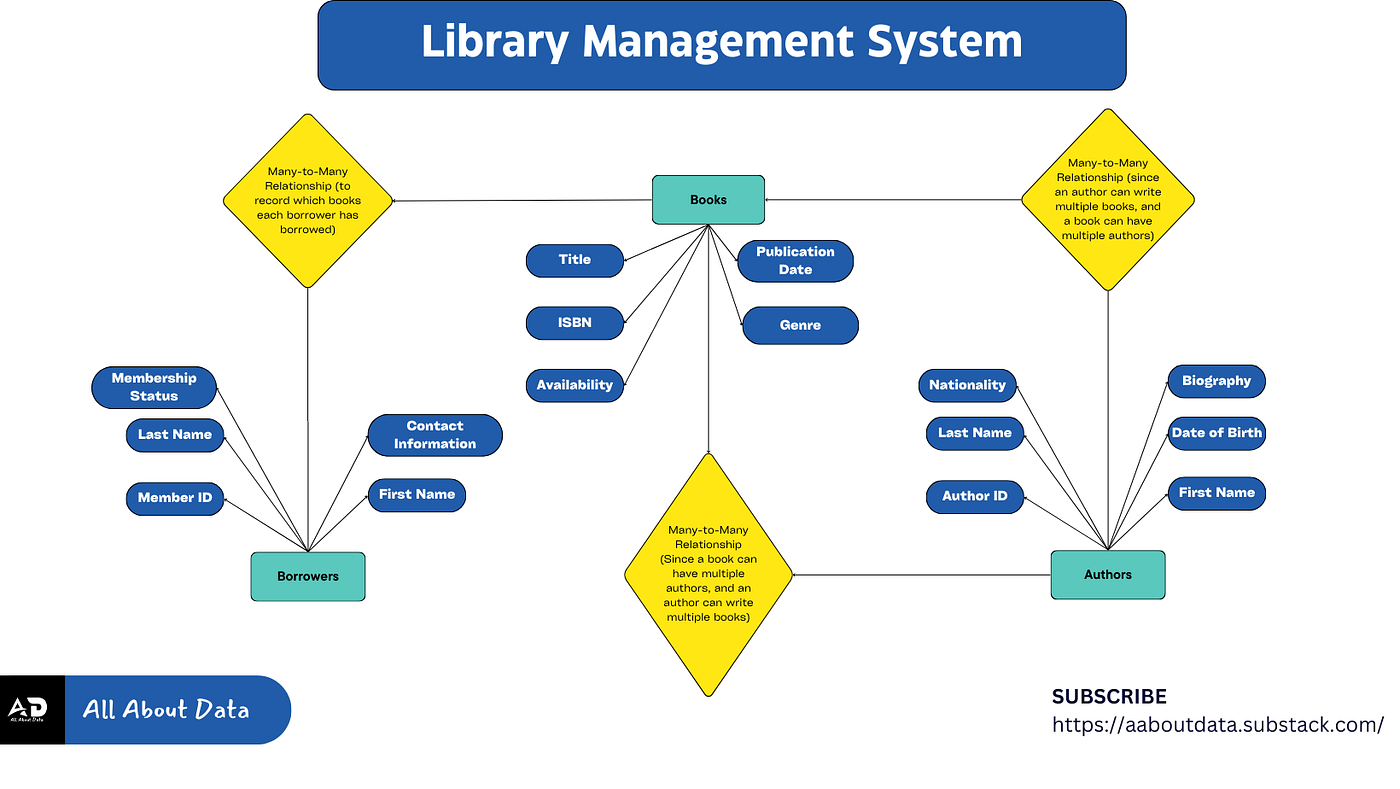
Business databases allow authorized employees and applications to store, search, update, and analyze information. Many use relational tables connected to one another, and SQL can be used to retrieve or modify the data. 1
Example: When you place an online order, a business database may record your customer account, the products ordered, payment status, shipping address, and inventory change.
The term can also mean a directory of businesses—for example, a searchable list containing company names, industries, locations, and contact information.
Related
What is a B2B database?
A B2B database—short for business-to-business database—is an organized collection of information about companies and the people who work for them. It helps businesses identify, research, and contact potential business customers or partners. 1
4
Typical information includes:
- Company details: name, industry, location, size, and revenue
- Contact details: names, job titles, work emails, and phone numbers
- Technology data: software or systems a company uses
- Business signals: funding, hiring, growth, or buying interest
- Relationship data: leads, conversations, opportunities, and customers
Example: A company selling accounting software might use a B2B database to find finance directors at growing businesses with 50–500 employees.
B2B databases are commonly used for sales prospecting, marketing campaigns, lead generation, account-based marketing, market research, and CRM enrichment. Data quality matters because contact details and job roles can become outdated as people change jobs or companies. 4
5
Related
What is an email database?
amazon1What's Email Database? - MailsoftlyAn email database is an organized collection of email contacts and the information associated with them. It typically stores email addresses, names, subscription status, preferences, and engagement or purchase history. 5
Businesses use email databases to:
- Send newsletters and marketing campaigns
- Segment contacts into relevant groups
- Personalize messages
- Track opens, clicks, and purchases
- Manage subscriptions and opt-outs
Example: An online store’s email database might record a customer’s email address, location, products purchased, newsletter preferences, and whether they opened previous emails.
An email database is more than a simple email list: a list contains addresses, while a database includes the additional information needed to organize and target communications. It should be kept accurate, up to date, and based on appropriate consent. 2
Related
What is a customer database?
A customer database is a centralized, organized collection of information about a company’s customers. It may include contact details, account information, purchase history, preferences, interactions, and support records. 2
3
Businesses use customer databases to:
- Manage customer relationships
- Track purchases and communication history
- Personalize marketing and offers
- Segment customers into relevant groups
- Improve customer service and retention
- Analyze customer behavior and business trends
1
4
Example: An online retailer’s customer database might contain a customer’s name, email address, order history, product preferences, support requests, and marketing preferences.
A customer database is often managed through CRM (customer relationship management) software, which allows sales, marketing, service, and finance teams to access relevant customer information in one place. 3
4
Related
What is a lead database?
A lead database is an organized collection of information about potential customers—people or businesses that may be interested in a company’s products or services. It can include names, email addresses, phone numbers, job titles, companies, industries, interests, and interactions with the business. 1
8
Businesses use lead databases to:
- Identify and prioritize potential buyers
- Segment prospects by industry, location, role, or interests
- Personalize sales and marketing outreach
- Track engagement and follow-ups
- Move qualified prospects toward becoming customers
1
5
Example: A software company’s lead database might contain a prospect’s name, company, job title, business email, website activity, and whether they downloaded a product guide.
The main difference from a customer database is that a lead database focuses on prospects who have not necessarily bought anything yet, while a customer database focuses on existing customers and their ongoing relationships with the business. 1
Related
What is a lead database?
A lead database is an organized collection of information about potential customers—people or businesses who may be interested in a company’s products or services. It typically includes contact details, company information, job title, industry, location, and buying or engagement signals. 1
4
Businesses use lead databases to:
- Find and identify prospects
- Filter leads by characteristics such as industry or role
- Prioritize the most promising opportunities
- Personalize sales and marketing outreach
- Track interactions and follow-ups
Example: A software company’s lead database might contain a prospect’s name, business email, company, job title, industry, website activity, and estimated interest in the product.
Unlike a customer database, which stores information about existing customers, a lead database focuses primarily on prospects who have not yet become customers.
Related
What is a sales database?
What is a marketing database?
 shopify8
A marketing database is a centralized collection of information about current and potential customers that marketers use to plan, target, personalize, and measure campaigns. It may include names, contact details, demographics, company information, interests, purchase history, website behavior, campaign engagement, and consent preferences. 1
4
Businesses use it to:
- Segment audiences into relevant groups
- Personalize emails, advertisements, and offers
- Identify and nurture potential customers
- Track campaign engagement and conversions
- Improve customer retention and measure marketing results
Example: An online retailer’s marketing database might record a customer’s email address, location, browsing history, products purchased, email clicks, and marketing preferences.
Compared with related databases:
- Lead database: Focuses mainly on potential customers.
- Sales database: Focuses on sales contacts, opportunities, activities, and pipeline progress.
- Marketing database: Supports broader marketing activity across prospects and existing customers—including segmentation, campaigns, personalization, and measurement.
3
4
A marketing database should be kept accurate and managed according to applicable privacy and consent requirements.
Related
What is a contact database?
A contact database is an organized, searchable collection of information about people or organizations a business interacts with. It typically stores names, job titles, companies, email addresses, phone numbers, locations, and tags or notes. 1
2
Businesses use contact databases to:
- Keep contact information in one place
- Search, filter, and group contacts
- Support sales, marketing, customer service, and networking
- Avoid duplicate or outdated records
- Maintain a shared source of accurate contact details
Example: A company’s contact database might include a prospect’s name, role, company, email address, phone number, location, and the date of the last interaction.
A contact database mainly answers “Who is this person, and how can I reach them?” A CRM includes that information but also tracks communications, follow-up tasks, opportunities, and relationship history. 3
Related


Ask your own follow-ups
Komo answers with sources. Pick up this thread in your own history and keep digging.