Shared search · Sep 14, 2026
How can Last Database support B2B marketing research?
Last Database can support B2B marketing research by providing structured company and contact data that helps marketers understand markets, identify prospects, and prioritize accounts. Typical applications include:
- Market sizing and segmentation: Filter companies by industry, location, employee count, revenue, technology used, or other firmographic attributes to estimate and define target markets. B2B databases commonly include company size, industry, revenue, location, and decision-maker information
8.
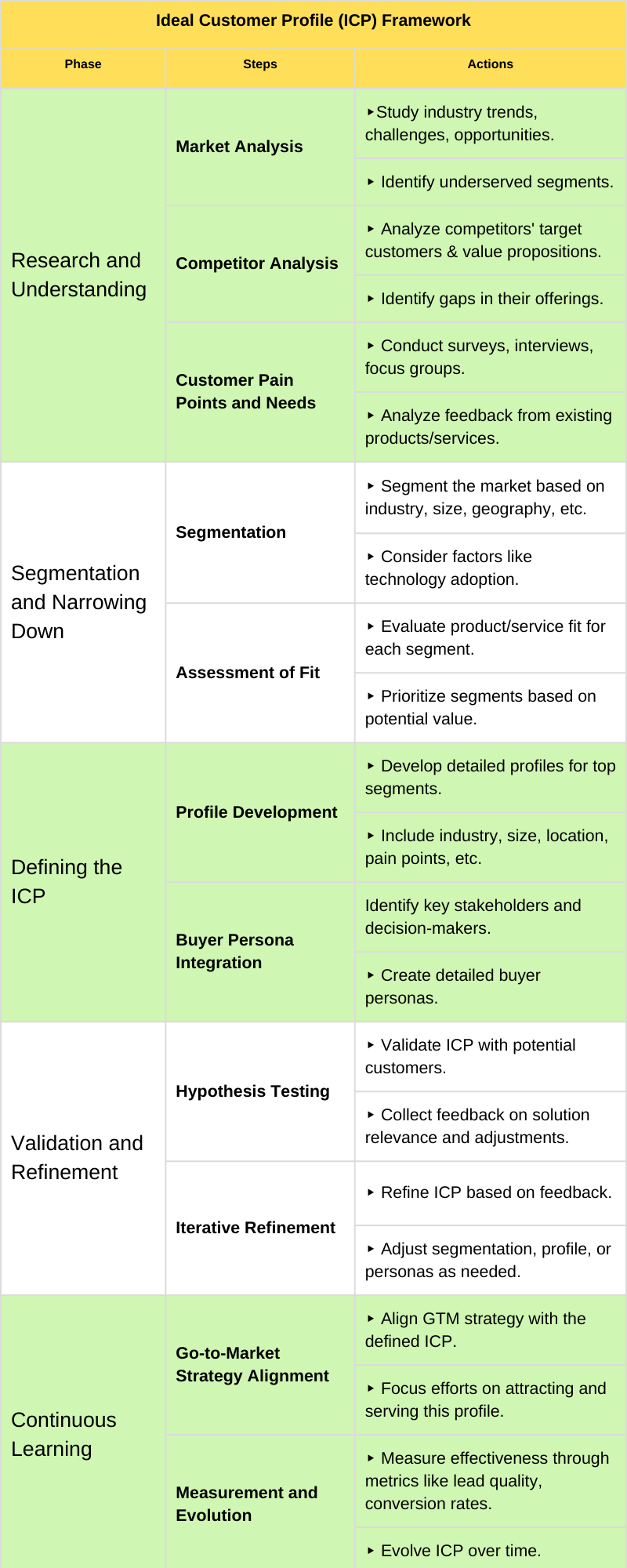
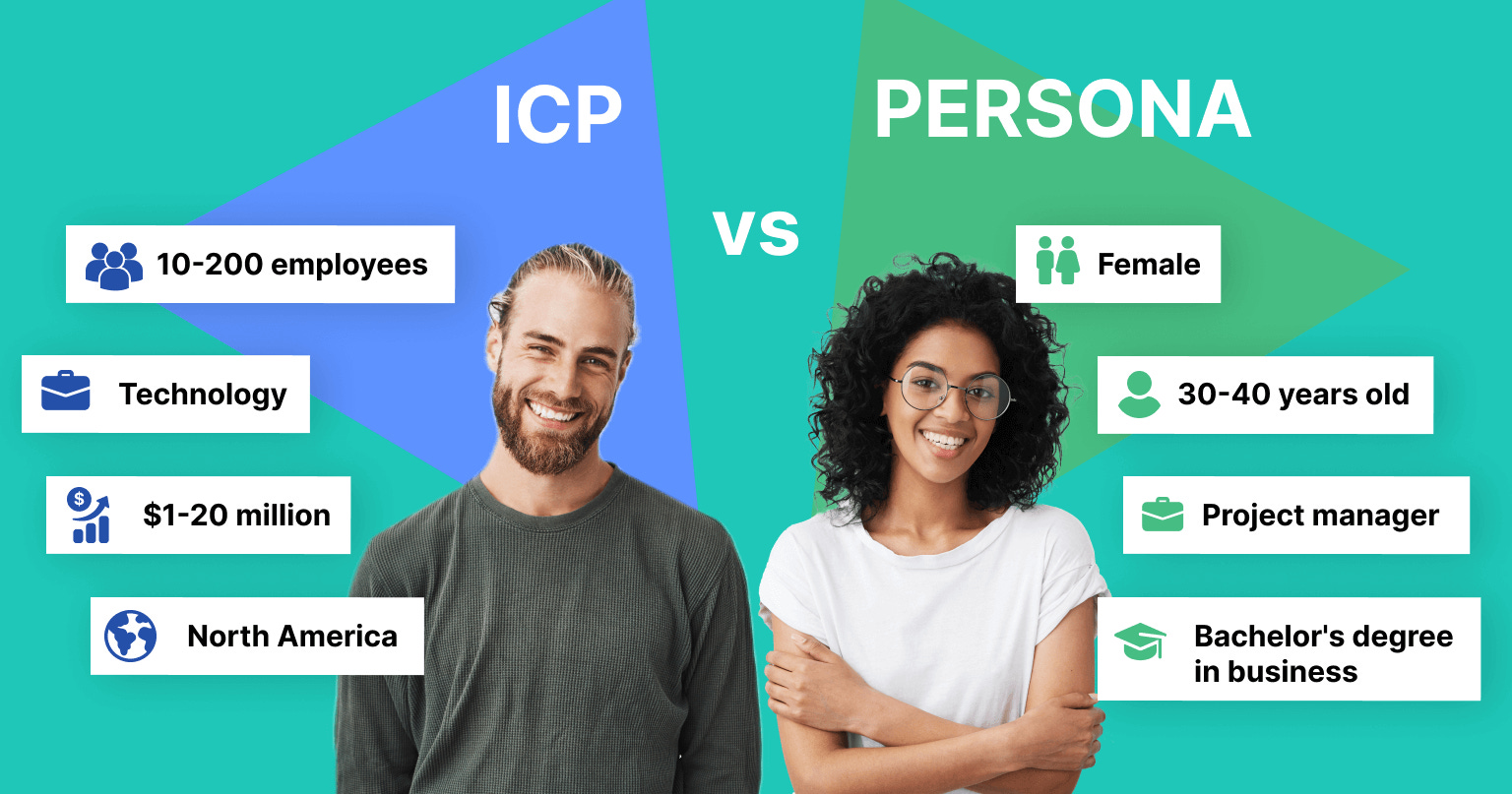
- Ideal customer profile (ICP) development: Analyze existing customers and compare them with wider company datasets to identify patterns—such as company size, sector, geography, or technology adoption—that define high-value prospects.
- Total addressable market research: Build lists of companies matching the ICP, remove duplicates, and estimate market coverage. A reliable database should provide standardized records, traceable sources, and freshness or verification information
1.
- Buyer and decision-maker mapping: Identify relevant roles and seniority levels within target accounts, helping researchers understand who influences purchasing decisions.
- Competitive and industry analysis: Compare competitors by market presence, headcount, hiring activity, funding, technologies, and customer or employee signals. These data types are commonly used to understand company performance and market opportunities
- Technographic and intent research: Determine which businesses use particular technologies or are actively researching relevant topics. Some B2B platforms combine technographic data with buyer-intent signals to highlight accounts potentially in-market
6.
- Campaign research and personalization: Create narrowly defined audience segments for email, advertising, account-based marketing, and content campaigns.
- Data enrichment and validation: Append missing information to CRM records, identify outdated contacts, standardize company names, and improve deliverability. Data should ideally include its source, verification status, and verification date
- Research-to-revenue measurement: Connect target-account lists with CRM and marketing-automation systems to track engagement, opportunities, and conversion. Integration with those systems is an important database-selection criterion
Best practice: Treat Last Database as a research input—not the sole source of truth. Validate important findings against company websites, regulatory filings, industry reports, customer interviews, and first-party CRM data. Before adopting it, assess its geographic coverage, update frequency, source transparency, filtering depth, privacy compliance, and integration options.
I couldn’t verify Last Database’s specific feature set from the available sources, so the points above describe how a B2B database service can support research rather than confirming every capability of that provider.
Related
Can marketers use Last Database for audience discovery projects?
Yes—marketers can use Last Database for audience discovery projects if it provides searchable, exportable, and sufficiently current business or contact records. It could help them:
- Define and test audience segments using firmographic filters such as industry, company size, revenue, geography, and job role. These are core inputs for B2B audience targeting
1.
- Discover net-new accounts that match an ideal customer profile (ICP), then build a prioritized target-account list
2.
- Identify buying-group members, including decision-makers, influencers, and relevant departments within each account. B2B purchases often involve multiple people across roles and seniority levels
- Create lookalike audiences by comparing high-value customers with broader database records.
- Enrich existing CRM or campaign data with missing company, job-title, contact, technology, or intent attributes. Audience-data enrichment is used to fill gaps in account and contact records
11.
- Develop hypotheses for research, such as which industries over-index among customers, which technologies correlate with conversion, or which regions contain underserved prospects.
- Activate findings in email, paid media, account-based marketing, outbound sales, or survey-recruitment projects—provided Last Database supports the required exports or integrations.
A practical workflow would be:
- Start with customer and conversion data.
- Define several ICP-based audience segments.
- Use Last Database to find matching companies and contacts.
- Compare segment size, coverage, and quality.
- Validate records through company websites, CRM data, interviews, or survey responses.
- Test the segments in campaigns and refine them using engagement and pipeline results.
Important limitation: I couldn’t verify Last Database’s specific coverage, filters, intent signals, export options, update frequency, or privacy controls from publicly available results. Therefore, its suitability should be confirmed before relying on it for a formal audience-discovery study. Check whether records include source and verification dates, whether personal-data use complies with applicable privacy laws, and whether the data is representative rather than merely a large contact list.
Related
How can marketing teams organize business audiences with lastdatabase.com?
What research benefits can lastdatabase.com provide to marketers?
LastDatabase can provide marketers with several research-oriented benefits, especially for B2B audience and market analysis:
- Audience and market discovery: Teams can browse business-data categories by market, region, industry, company, and audience segment to identify potential markets or customer groups.
1
- Audience segmentation: Records may support segmentation by industry, job title, company attributes, geography, and technology usage, helping researchers compare audience groups and refine an ideal customer profile.
- Decision-maker mapping: Executive, functional, and decision-maker role coverage can help teams study who influences purchasing decisions within target organizations.
- Competitive and technology research: Technology-user datasets can help marketers investigate which companies use particular platforms and identify technology-based market segments.
- CRM and data enrichment: Contact and company information can be used to fill gaps in CRM records, improve account classification, and create more complete audience profiles.
- Market opportunity analysis: Structured lists can help estimate the size and geographic distribution of a target market, reveal under-served segments, and generate hypotheses for further research. LastDatabase specifically describes its data as supporting market research, competitive intelligence, and audience analysis.
- Campaign research and testing: Teams can create narrowly defined audience samples for message testing, account-based marketing research, survey recruitment, or campaign comparisons.
- Custom research inputs: LastDatabase says buyers can request custom datasets by country, category, industry, job title, or phone data, which may help support specialized research projects.
Best use: Treat the database as a secondary-research and audience-building resource, not as a complete picture of market demand or customer motivation. Validate important findings with interviews, surveys, CRM outcomes, public company information, and campaign results.
Before using the data, marketers should also confirm the package’s source, fields, update cycle, accuracy, intended use, consent status, and privacy-law requirements; LastDatabase notes that these details can vary by package. 1
Related
How can lastdatabase.com support customer segmentation research?




Ask your own follow-ups
Komo answers with sources. Pick up this thread in your own history and keep digging.