Shared search · Sep 14, 2026
Can Last Database help businesses create a more organized sourcing process?
 amazon6Data Sourcing: Methods, Strategy, Tools, and Use Cases
Yes—Last Database could help make sourcing more organized if it provides a centralized, searchable place for supplier, product, pricing, and contact information.
It could support a sourcing workflow by helping businesses:
- Centralize supplier records instead of relying on scattered spreadsheets and emails.
- Standardize fields such as supplier category, location, certifications, lead times, pricing, and performance.
- Track sourcing stages, from supplier discovery and qualification through quote comparison, selection, and follow-up.
- Reduce duplicate or outdated information through consistent data entry and regular updates.
- Improve collaboration by giving teams a shared source of truth.
- Analyze sourcing decisions using supplier-performance, cost, and category data—better data can support decisions across the sourcing lifecycle.
2
However, a database alone may not replace a full procurement or strategic-sourcing platform. Businesses may still need features such as RFQ management, approval workflows, contract management, purchase-order integration, audit trails, and supplier-risk monitoring.
So the short answer is: yes, it can provide the organizational foundation for sourcing, provided it supports structured records, search/filtering, permissions, workflow tracking, and integrations. Tools that centralize data and connect related records are generally better suited to this than disconnected spreadsheets. 4
Related
How can Last Database support companies building new sales channels?
LastDatabase can support companies building new sales channels by helping them identify, segment, and reach the right businesses or decision-makers.
Practical uses
- Discover channel partners: Build lists of distributors, wholesalers, resellers, retailers, agents, or other potential partners by country, industry, job title, and category. LastDatabase says its platform supports these targeting dimensions for business and consumer audiences.
9
- Define the ideal channel profile: Filter prospects by market, sector, professional role, and—where relevant—the technologies they use. This can help identify partners whose customer base, systems, or capabilities fit the new channel.
- Find the right contacts: Locate executives, purchasing managers, sales leaders, operations staff, or other decision-makers using business email and phone data.
- Prioritize expansion markets: Compare potential partners across countries and industries before committing resources to a new territory.
- Launch targeted outreach: Create segmented lists for partner recruitment, wholesale offers, marketplace onboarding, or direct sales campaigns rather than sending one generic campaign.
- Connect data to existing systems: LastDatabase advertises API access for supported lead-search and data workflows, including CRM or internal-tool integrations.
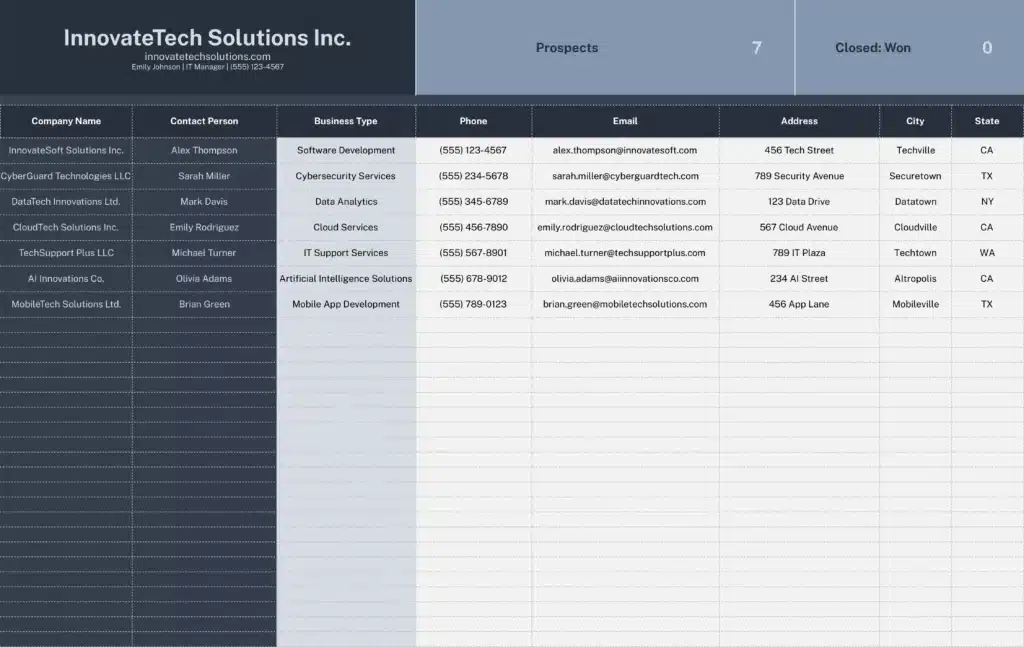
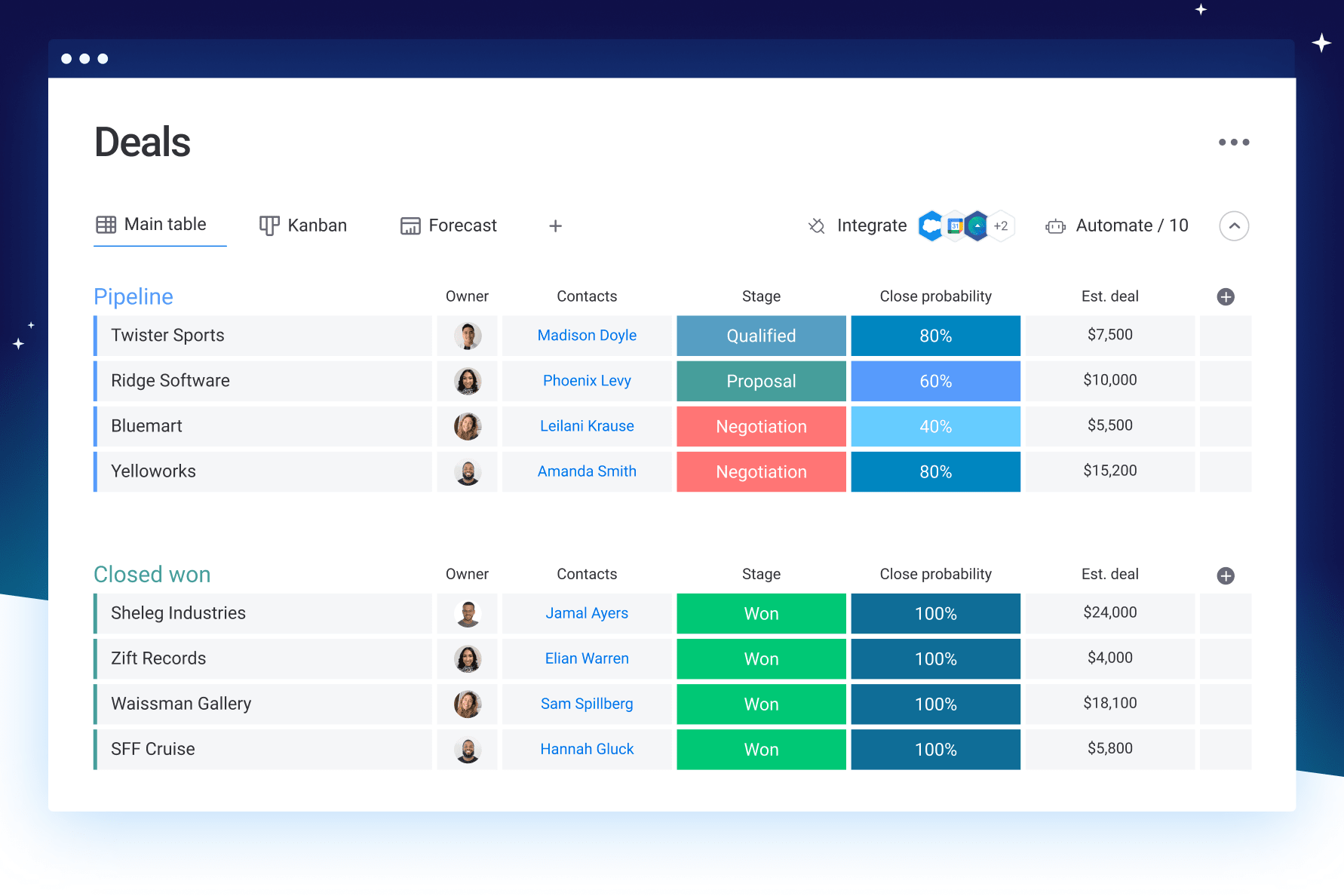
- Measure channel development: Store source, territory, partner type, outreach status, response, and conversion data in the CRM so the company can compare which markets and partner profiles perform best.
A strong workflow would be:
- Define the new channel and ideal partner profile.
- Filter by country + industry + role + technology, as applicable.
- Validate records and check legal permissions for outreach.
- Import qualified prospects into the CRM.
- Track contact, qualification, onboarding, revenue, and partner performance.
- Refine the filters based on conversion results.
LastDatabase should be viewed primarily as a prospecting and audience-data layer, not necessarily as a complete channel-management platform. Companies may still need CRM, partner-relationship management, ecommerce, contract, commission, and reporting tools. Data quality and compliance also need verification: B2B data providers commonly differ in accuracy, freshness, integrations, and GDPR/CCPA practices. 4
5
Related
Can lastdatabase.com assist businesses with expanding their prospect pool?
Yes. LastDatabase.com can help businesses expand their prospect pool by providing access to broader business and consumer contact audiences for sales prospecting, business development, and CRM enrichment. 12
It can help companies:
- Reach new markets: Search prospects by country, industry, job title, category, and technology used.
- Find more relevant contacts: Combine filters—for example, a specific industry, territory, and decision-maker role—to create targeted prospect segments rather than using a broad list.
- Use multiple contact channels: Explore business email, phone, WhatsApp, and Telegram-related datasets where available.
- Scale prospect research: Review selected records, purchase leads individually or in volume, or use monthly access options.
- Connect prospect data to existing systems: LastDatabase advertises API access for supported integrations with CRMs, applications, and internal tools.
- Test before committing: Some datasets provide sample leads and masked previews so businesses can assess relevance before purchasing.
A practical approach would be to define the ideal customer profile, search by market + industry + role, validate the records, remove duplicates, and import qualified prospects into the CRM for segmented outreach.
However, expanding the pool does not automatically mean improving lead quality. Businesses should verify contact accuracy, confirm that the data is suitable for their intended use, and follow applicable privacy, email-marketing, and telemarketing regulations. LastDatabase’s own listings also indicate that available fields and coverage vary by dataset. 10
Related
How can lastdatabase.com contribute to a stronger lead sourcing framework?
LastDatabase.com can contribute to a stronger lead-sourcing framework by making prospect identification more structured, targeted, and repeatable.
Key contributions
- ICP-based targeting: Teams can define an ideal customer profile and search using criteria such as country, industry, job title, and technology rather than relying on broad contact lists.
- Better segmentation: Prospects can be grouped by geography, sector, seniority, decision-making role, or technology environment, enabling more relevant outreach and prioritization.
- Multi-channel sourcing: Depending on the dataset, businesses can research email, phone, WhatsApp, Telegram-related, and other audience records to support coordinated outreach.
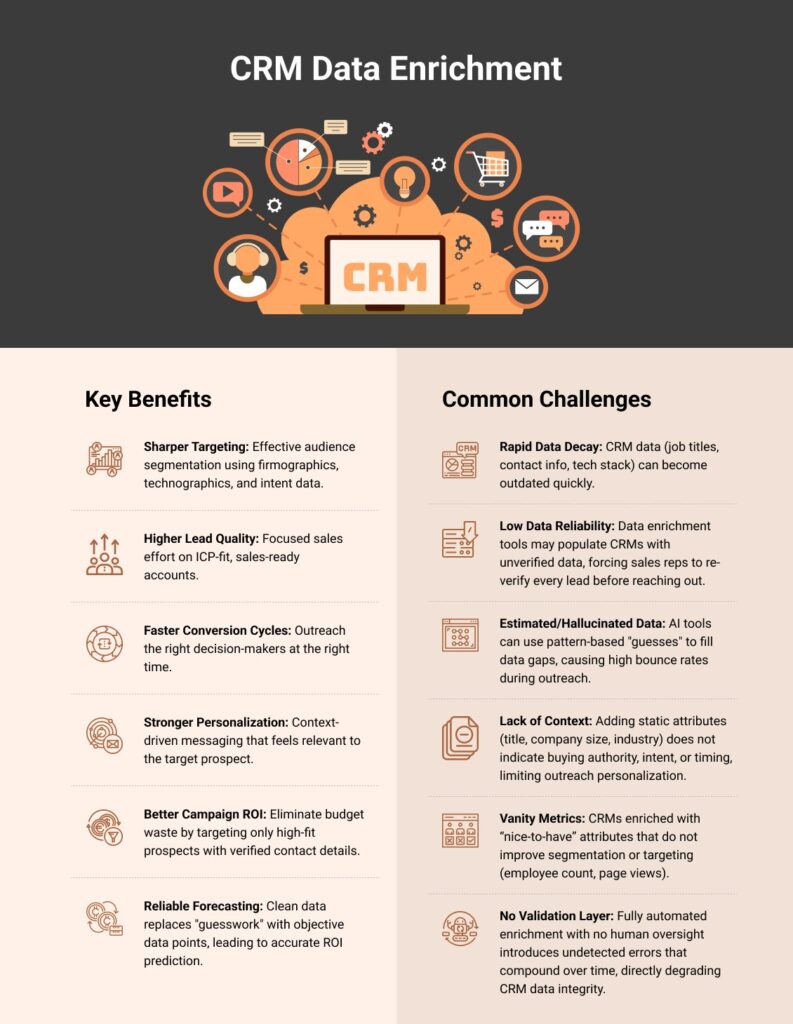
- Account and contact enrichment: The data can add professional or firmographic context to existing CRM records, helping sales teams identify the right stakeholders and fill information gaps.
- Scalable prospect discovery: Companies can use the platform to research new territories, industries, and buyer roles as their addressable market expands.
- Operational integration: API access can help connect supported data workflows with CRMs, internal applications, or other sales tools.
- Data-quality processes: A stronger framework should include cleansing, deduplication, validation, and suppression of outdated or unsuitable records; LastDatabase’s data-cleansing guidance specifically positions cleansing as a way to improve outreach efficiency and pipeline quality.
Recommended framework
- Define the ICP — target industries, company characteristics, locations, roles, and technologies.
- Build segmented lists — use multiple filters instead of purchasing one undifferentiated database.
- Validate and cleanse — check accuracy, remove duplicates, and record data sources and refresh dates.
- Enrich the CRM — add only relevant, permissioned records with consistent fields.
- Prioritize leads — score prospects by fit, role, market, and buying relevance.
- Run tailored campaigns — align messaging and channels with each segment.
- Measure outcomes — track deliverability, response, meetings, opportunities, and revenue by source and segment.
- Refresh continuously — remove bad records and update lists as markets and contacts change.
The platform can therefore serve as a prospecting-data layer within a broader system. It will not replace a CRM, lead-scoring model, sales process, or compliance program; its value depends on how well the company validates the data and connects it to those processes.
Related
How can lastdatabase.com support sales list planning?
LastDatabase.com can support sales list planning by helping teams design prospect lists around clear market and buyer criteria rather than collecting contacts indiscriminately.
Practical ways it can help
- Define list parameters: Plan lists by country, industry, job title, technology, and contact channel, aligning each list with a specific product, territory, or campaign.
- Segment prospects: Create separate lists for industries, regions, executive roles, specialists, or technology users so messaging and sales ownership can be tailored.
- Identify decision-makers: Build role-based lists targeting executives, directors, managers, purchasing stakeholders, operations leaders, or other relevant contacts.
- Support territory planning: Compare potential accounts across countries, industries, and commercial territories before assigning sales coverage.
- Use technographic signals: Add software, CRM, ERP, cloud, or SaaS criteria when the product’s value depends on a prospect’s existing technology environment.
- Plan account-based campaigns: For a defined sector—such as manufacturing—teams can build targeted lists, identify decision-makers, and support CRM enrichment workflows.
- Improve list consistency: Establish repeatable list templates, such as industry + country + role + technology, making list creation easier to reproduce and evaluate.
- Connect planning to execution: Use the resulting lists for CRM enrichment, prospect prioritization, outreach preparation, and campaign measurement.
Recommended planning workflow
- Define the campaign objective and ideal customer profile.
- Choose the target market, industry, roles, and technology criteria.
- Build separate lists by territory, segment, or buyer persona.
- Review available fields and remove duplicates or irrelevant records.
- Validate contact details before outreach.
- Import qualified records into the CRM with source and segment labels.
- Measure conversion rates by list, segment, and territory.
- Refresh lists regularly and suppress invalid or unsuitable contacts.
LastDatabase.com is best viewed as a list-building and research resource, not a complete sales-planning system. Businesses still need their own CRM rules, lead-scoring model, ownership structure, data-validation process, and compliance checks before contacting prospects.
Related

Ask your own follow-ups
Komo answers with sources. Pick up this thread in your own history and keep digging.