Shared search · Sep 14, 2026
What marketing tasks can be supported by Last Database?
Last Database can support marketing teams with:
- Audience segmentation: Filter companies and contacts by industry, location, company size, job title, technology, and other attributes to define ideal-customer-profile segments.
1
- Lead generation: Build prospect lists for outbound campaigns, account-based marketing, events, and partner campaigns.
- CRM and data enrichment: Fill missing company, contact, role, email, phone, and firmographic information in CRM or marketing-automation systems.
- Campaign personalization: Tailor email copy, offers, landing pages, and outreach sequences to specific audience characteristics.
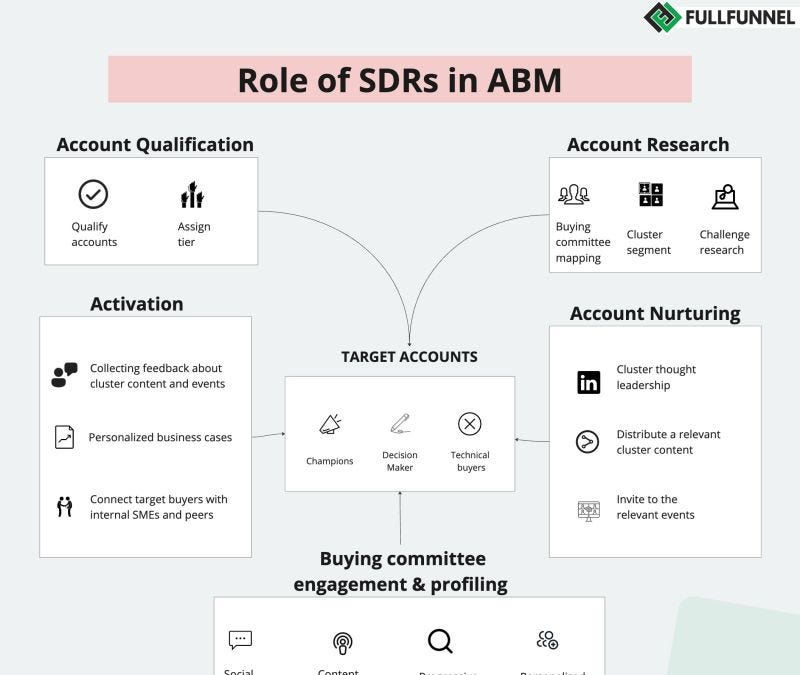
- Account-based marketing: Identify decision-makers, map buying committees, and coordinate advertising, email, and sales activity around target accounts.
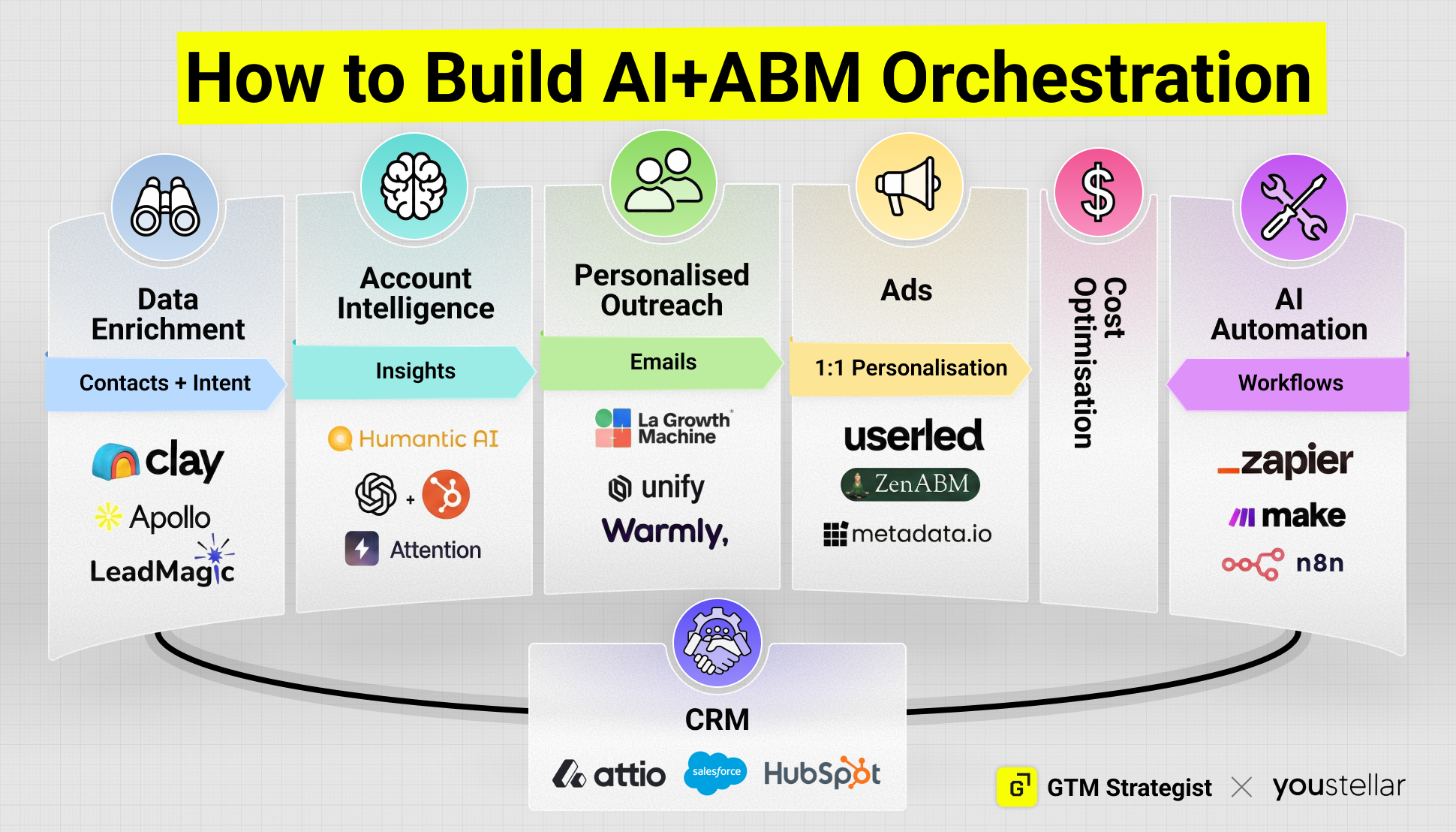
- Campaign targeting and automation: Sync selected contacts with email, advertising, sales-engagement, or CRM platforms to launch targeted sequences.
- Lead and account prioritization: Rank prospects using fit, engagement, intent, or previous interactions so teams focus on higher-value opportunities.
- Campaign measurement: Compare segments, conversion rates, pipeline contribution, and ROI by combining database data with CRM and campaign results.
- Data-quality management: Deduplicate and refresh records, validate contact details, and suppress unsubscribed or invalid contacts to improve deliverability and compliance.
In practice, Last Database is best used as a prospecting, targeting, and enrichment layer; the exact integrations and automation available depend on the specific product plan and setup.
Related
How can marketers use database information when planning campaigns?
Marketers can use database information to make campaigns more targeted, relevant, and measurable:
- Define audience segments: Group customers and prospects by demographics, industry, location, company size, job role, behavior, purchase history, or interests. Segmentation helps teams tailor messages to specific groups.
5
7
- Identify the ideal audience: Compare database records with the ideal customer profile to focus budget on prospects most likely to need the product.
- Personalize campaigns: Use names, past purchases, browsing activity, preferences, lifecycle stage, or company details to adapt email content, offers, ads, and recommendations.
8
- Choose the right channel and timing: Use engagement and interaction data to determine whether someone should receive email, advertising, website messaging, or another form of outreach—and when.
- Plan account-based campaigns: Enrich company and contact records with firmographic or intent information to target priority accounts and relevant decision-makers.
1
- Create exclusions: Remove existing customers, unsubscribed contacts, inactive users, duplicate records, or people who are not eligible for an offer.
- Improve lead prioritization: Score or rank contacts based on fit, engagement, buying signals, or previous interactions so the campaign focuses on higher-value prospects.
- Set campaign objectives and benchmarks: Use historical conversion, response, revenue, and customer-value data to establish realistic targets.
- Measure and optimize performance: Compare results across segments, messages, channels, and offers; then adjust targeting or creative based on what performs best.
- Keep the data reliable: Clean outdated or incomplete records and continuously enrich them, since poor-quality data can lead to wasted spend and irrelevant targeting.
3
A practical planning process is: clean the database → define segments → select targets and exclusions → personalize the message → choose channels → launch a test → measure results → refine the campaign.
Related
Can Last Database help marketing teams organize potential audiences?
Yes. Last Database can help marketing teams organize potential B2B audiences by creating targeted contact and company groups based on fields such as:
- Industry and company
- Country or location
- Job title, department, and seniority
- Organization type or category
- Technology use
- Available communication details, such as business email or phone
For example, a team could create an audience segment of IT managers at U.S. healthcare companies, then separate that group by seniority or decision-making responsibility. These segments can support persona development, campaign targeting, account-based marketing, and personalized outreach.
However, Last Database appears more suited to professional and commercial audience organization than to consumer profiling. The available information does not clearly establish features such as psychographic segmentation, purchase-intent modeling, or statistically representative audience estimates, so marketers should verify the exact fields, coverage, accuracy, and compliance permissions for their chosen dataset. 4
Related
How can marketers structure research using Last Database?
Marketers can structure research using Last Database as a source for organizing and investigating potential B2B audiences:
-
Define the research question
Start with a specific objective, such as identifying decision-makers in a sector, estimating the reachable audience, or finding prospects for a product launch. Audience research should focus on a defined group and campaign purpose rather than the entire market.1
-
Translate the objective into database filters
Use relevant fields—such as industry, company, location, organization type, job title, department, and seniority—to create a clearly defined audience sample. Avoid combining too many filters initially; begin broad, then narrow the segment. -
Create comparison segments
Build separate lists for groups such as:- Core ideal customer profile
- Expansion or secondary industries
- Different company sizes
- Decision-makers versus influencers
- Existing customers versus new prospects
This makes it easier to compare audience size, role composition, and campaign response.
-
Enrich the database findings
Last Database can help answer “Who is in the audience?” Combine its records with surveys, website analytics, CRM history, social listening, and other research to understand needs, motivations, pain points, and behavior. Audience research is strongest when demographic, behavioral, listening, and direct-survey evidence are considered together.4
-
Record findings in a research matrix
For each segment, document:- Audience definition and estimated size
- Common roles and industries
- Likely business needs
- Relevant offer or message
- Preferred channels
- Evidence supporting the conclusion
- Data gaps and assumptions
-
Prioritize and test hypotheses
Rank segments by fit, reachable volume, engagement, or likely value. Then test different messages, offers, and channels. Database marketing is most useful when data informs targeting and is subsequently measured and refined.14
-
Validate data before using it
Check for duplicate, outdated, incomplete, or improperly sourced records, and confirm that contact use complies with applicable privacy and marketing rules. The available sources do not independently verify Last Database’s exact coverage, accuracy, or filtering capabilities, so those details should be confirmed with the provider.
A simple structure is:
Research question → database segment → comparison groups → external evidence → audience insight → campaign hypothesis → test → update the database
Related
What role can lastdatabase.com play in campaign audience preparation?
lastdatabase.com can serve as a data source for preparing campaign audiences, particularly for B2B campaigns. Its categories page indicates that it offers business, consumer, email, messaging, and company-data segments 2.
Marketers can use it to:
- Define target segments: Filter or select audiences by industry, company characteristics, geography, job role, or other available attributes.
- Build prospect and account lists: Create initial lists of companies or contacts aligned with the campaign’s ideal customer profile.
- Separate campaign groups: Prepare distinct audiences for decision-makers, influencers, industries, regions, company sizes, or customer stages.
- Support personalization: Match each segment with different messaging, offers, creative, and channels. Segmentation is intended to group prospects with shared characteristics so messages better reflect their needs and buying stage
1.
- Prepare activation files: Clean, deduplicate, validate, and format selected records for use in advertising platforms, email tools, CRM systems, or sales outreach.
- Measure segments separately: Track delivery, engagement, conversion, and pipeline results by audience rather than treating the whole list as one group.
A practical workflow is:
Campaign objective → ideal customer profile → database filters → audience lists → data validation and consent checks → platform upload → segment-level testing and optimization.
Last Database should be treated as a starting data layer, not a complete targeting strategy. Marketers should verify record freshness, match rates, duplicates, geographic coverage, contact permissions, and compliance before activation. The available source confirms the presence of audience-data categories but does not independently verify the provider’s accuracy, update frequency, or platform integrations 2. Using CRM, website, intent, and campaign-performance data alongside the database can make the final audience more reliable; B2B audience construction commonly combines firmographic, technographic, role, and behavioral signals
3
8.
Related


Ask your own follow-ups
Komo answers with sources. Pick up this thread in your own history and keep digging.