Shared search · Sep 14, 2026
What makes Last Database relevant for modern B2B prospecting?
Last Database is relevant to modern B2B prospecting if it helps teams move beyond static contact lists toward usable, targeted, and regularly refreshed prospect data.
Key reasons:
- Better targeting: Filtering by role, industry, company size, geography, and other firmographic criteria helps sales teams focus on accounts that fit their ideal customer profile.
- More complete contact coverage: Access to decision-makers and buying-group members supports multi-threaded outreach instead of relying on a single contact.
- Faster research: A centralized database can reduce the manual work of finding company and contact information across multiple sources.
- Personalized outreach: Prospect records become more valuable when they include context—such as a company’s market, technology environment, growth stage, or likely business need.
- Support for account-based selling: Structured account and contact data makes it easier to build named-account lists, segment campaigns, and coordinate sales and marketing.
- Scalability: Sales teams can create repeatable prospecting workflows rather than researching every lead from scratch.
The important caveat is data quality. A database is only useful when records are accurate, current, permission-aware, and integrated with tools such as a CRM, enrichment platform, and outreach system. Modern prospecting also benefits from intent, hiring, funding, website-engagement, and other timing signals—not just names and email addresses.
So, Last Database’s relevance depends less on the size of its list than on whether it provides fresh, verifiable data and actionable context that helps sellers identify the right account, contact the right person, and reach out at the right time.
Related
How can Last Database support a company's prospect research framework?
Last Database can support a company’s prospect research framework by serving as a structured data layer between the ideal customer profile (ICP) and sales execution.
Practical framework
-
Define the ICP
- Translate target-market criteria into searchable fields: industry, location, employee count, revenue, technology used, business model, and growth stage.
- Use those criteria to create repeatable account segments rather than one-off prospect lists. B2B databases are most useful when they identify companies and decision-makers that match a defined ICP
9.
-
Build account lists
- Start with high-fit companies, then identify relevant departments, seniority levels, and likely buying-group members.
- This supports account-based prospecting, where several stakeholders are researched instead of treating one contact as the entire opportunity.
-
Enrich company and contact records
- Add information such as job title, business email, phone number, company size, revenue, technology environment, and organizational relationships.
- These are core capabilities expected from modern B2B contact databases
12.
-
Prioritize by timing
- Combine fit data with triggers such as funding, hiring, leadership changes, technology changes, or active research behavior.
- This helps researchers answer not only “Could this company buy?” but also “Why contact it now?” Intent and event signals are increasingly important because static firmographic data alone does not establish buying readiness
3
-
Create a research brief For every priority account, capture:
- Why the account fits the ICP
- Relevant decision-makers and influencers
- Current business or technology context
- A verified contact route
- The trigger or hypothesis behind outreach
- Recommended message angle and next step
-
Push findings into the GTM workflow
- Sync qualified records into the CRM and sales-engagement platform.
- Avoid leaving research in spreadsheets or browser tabs; CRM and sequencer integration is essential for turning research into action
-
Measure and improve Track:
- Record accuracy and bounce rates
- Time spent researching each account
- Contact-to-meeting conversion
- Meetings by segment, persona, and trigger
- Opportunities and revenue sourced from each data segment
Feed the results back into the ICP, filters, scoring rules, and research templates.
Recommended operating model
ICP definition → account discovery → contact mapping → data verification → trigger detection → research brief → personalized outreach → CRM feedback
The main caveat is that Last Database should be treated as an input to the framework, not the framework itself. Its value depends on the freshness, verification, coverage, integration, and compliance of its data. Static records decay as people change roles and companies restructure, so teams should validate important contacts before outreach and periodically measure data quality 12.
Related
Why might businesses include Last Database in their data strategy?
Businesses might include Last Database in their data strategy as a third-party B2B data layer that complements their CRM and first-party customer information.
Potential benefits include:
- Expanding market coverage: It can help identify new companies and decision-makers beyond contacts already captured through inbound channels. B2B contact databases are specifically used to fill CRM pipelines with external prospects matching an ICP
- Improving segmentation: Company size, industry, location, revenue, role, and technology criteria can support more precise account selection and campaign segmentation
- Supporting sales and marketing alignment: A shared prospect dataset gives revenue teams a common basis for account prioritization, outreach, and campaign planning.
- Reducing manual research: Structured company and contact information can replace some spreadsheet-based searching and list building.
- Enabling scalable prospecting: Database filters can turn an ICP into repeatable target-account lists rather than isolated, manual research projects
- Adding context to personalization: Firmographic, contact, technographic, and behavioral information can help teams tailor messaging instead of sending generic outreach
7.
- Strengthening data enrichment: External data can fill missing CRM fields and improve account and contact records; however, third-party data should complement—not replace—first-party data and internal governance
1.
The main reason not to adopt it blindly is data quality. Businesses should assess coverage, freshness, verification rates, export or CRM integrations, privacy compliance, duplicate handling, and the cost per usable record. Contact data becomes stale as people change roles and companies, so records need ongoing validation 2.
In short, Last Database may be valuable when it helps the company find the right accounts, understand them, reach the right stakeholders, and keep prospect data operationally usable—not simply because it offers a large number of records.
Related
How can Last Database complement existing lead-generation methods?
Last Database can complement existing lead-generation methods by adding structured prospect data to channels that already produce interest.
- Enrich inbound leads: Add missing company size, industry, revenue, role, technology, or verified contact details to leads from forms, content downloads, and website visits. This helps sales prioritize and personalize follow-up; modern lead databases commonly support filters such as industry, location, company size, revenue, and job title
12.
- Expand beyond inbound demand: Use it to find ICP-matched accounts that have not yet engaged with the company, creating a targeted outbound layer instead of relying solely on organic traffic, advertising, or referrals.
- Improve event and webinar follow-up: Match registrants and attendees to their companies, identify additional stakeholders, and segment follow-up by account fit and seniority.
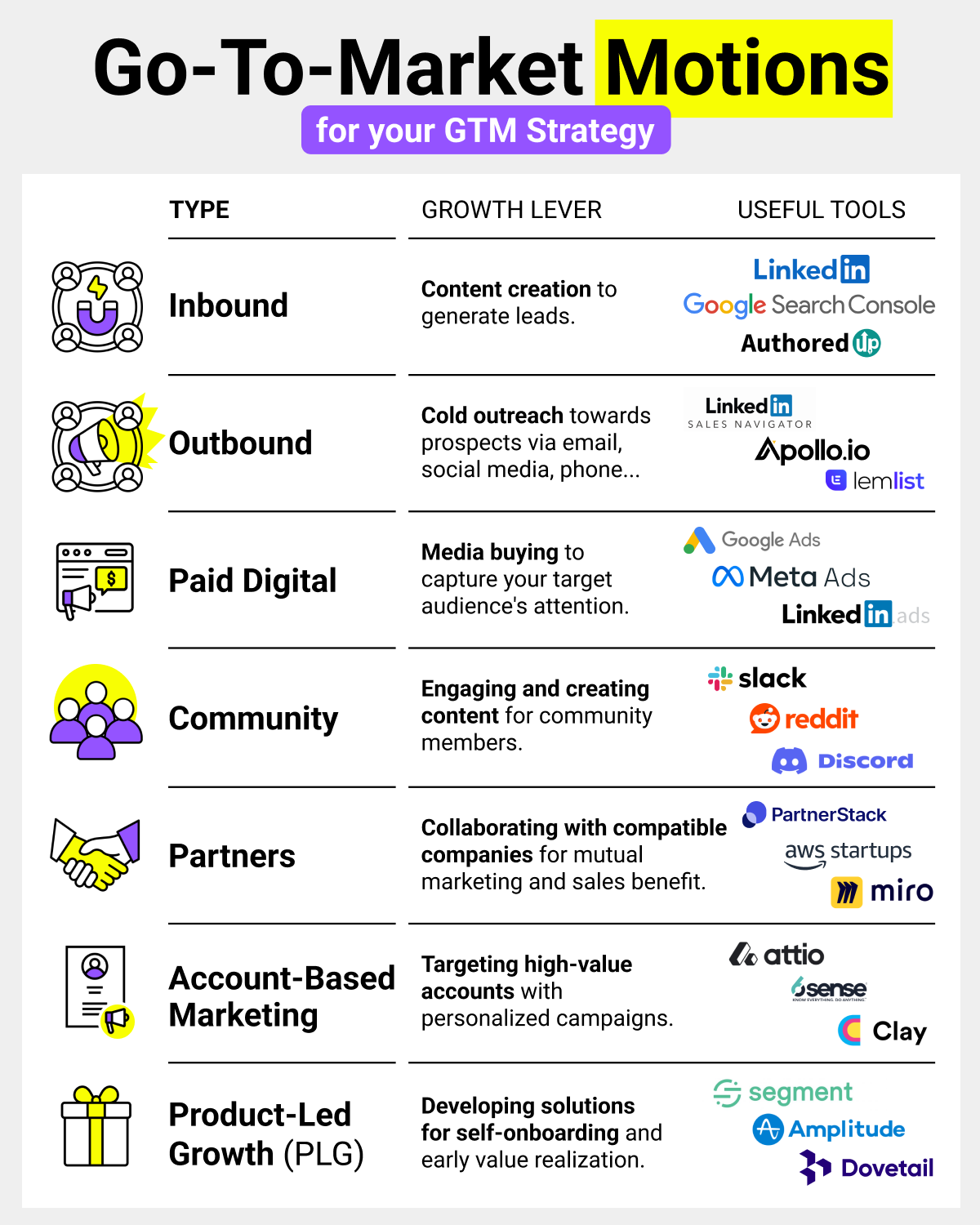
- Support account-based marketing: Build lists of several relevant contacts within priority accounts, then coordinate email, LinkedIn, advertising, and sales outreach.
- Strengthen social prospecting: Use LinkedIn or other social channels for research and relationship-building, while using the database to verify or enrich contact and firmographic information.
- Prioritize outreach: Combine database records with first-party signals—website visits, email engagement, downloads, demo requests, or past conversations—to distinguish a good-fit prospect from an actively engaged one. Intent and behavioral signals are particularly useful alongside static company data
6.
- Reactivate older leads: Compare dormant CRM records with current data to identify changed roles, updated contact details, or new contacts at the same account.
- Close the measurement loop: Sync enriched prospects into the CRM so the company can compare conversion and revenue by source, segment, persona, and campaign. Centralized lead data helps teams understand which channels and campaigns generate results
5.
A useful model is:
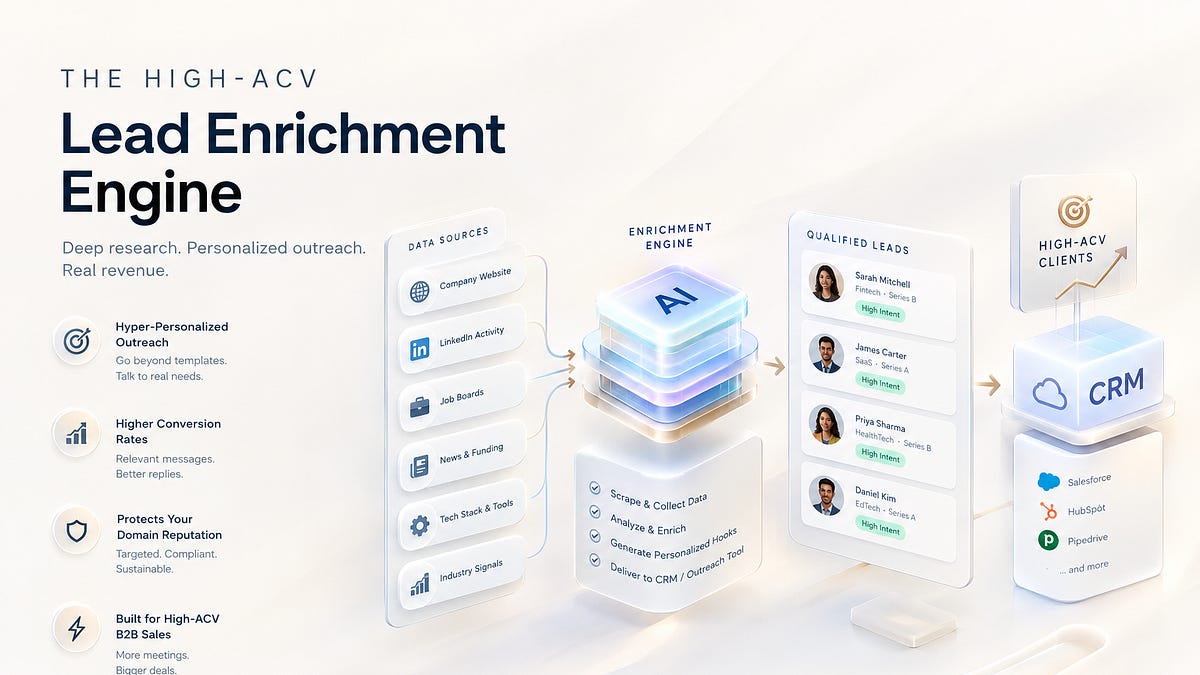
Existing channel generates interest → Last Database enriches or expands the record → scoring prioritizes the account → personalized outreach follows → CRM records the outcome.
It should supplement, not replace, first-party data and relationship-based channels. Before using the records for campaigns, verify freshness, deduplicate against the CRM, check consent and applicable privacy rules, and monitor bounce and conversion rates; B2B contact data can become outdated through job changes, company closures, and email migrations 9.
Related
What business workflows can incorporate lastdatabase.com?
Businesses can incorporate LastDatabase.com into workflows that need targeted business-contact research, lead generation, or data enrichment. Its site describes datasets searchable by country, industry, job title, technology, and audience, with options for selected purchases, subscriptions, and API access 1
2.
Sales and revenue workflows
- ICP prospecting: Define target criteria—such as geography, sector, company type, and seniority—then create focused prospect lists for business development.
- Outbound campaign preparation: Supply relevant business email or phone records to approved sales-engagement workflows, with suppression and consent checks applied first.
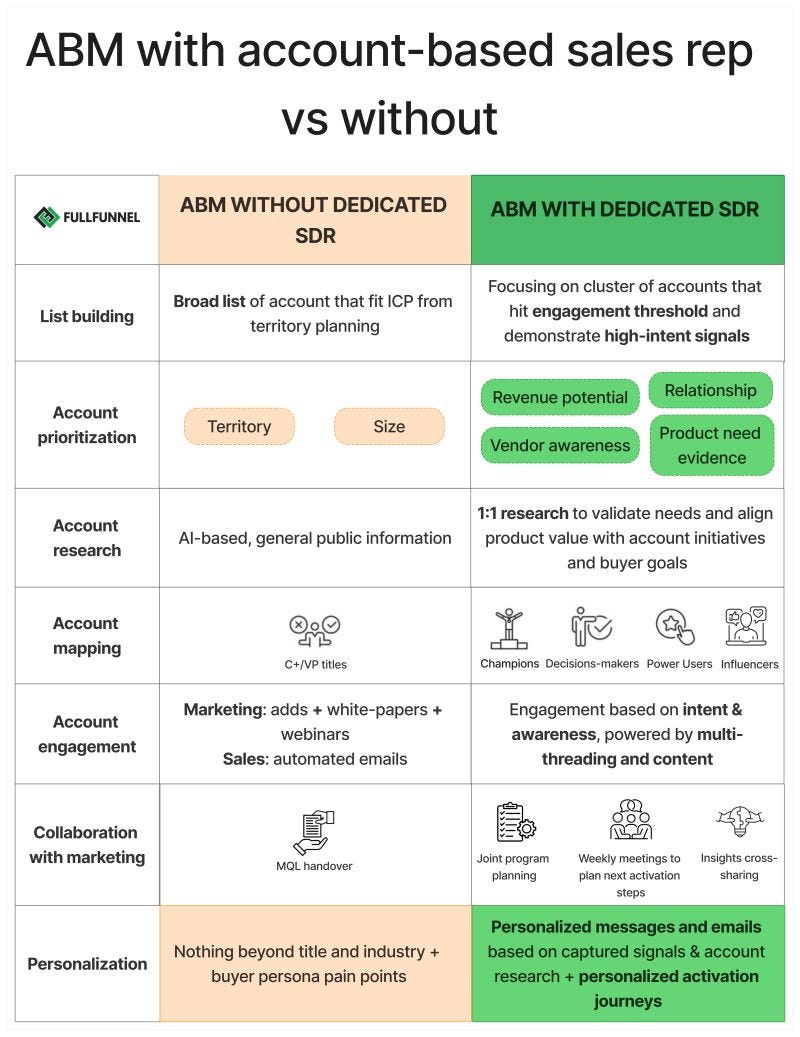
- Account-based selling: Identify multiple stakeholders—executives, managers, procurement, or technical roles—within priority accounts.
- Territory planning: Research potential companies by country or region before assigning sales territories and outreach priorities.
- CRM enrichment: Compare purchased or API-retrieved records with existing CRM entries to fill missing fields, update contacts, and identify duplicates. LastDatabase specifically positions its data for CRM enrichment and business development
1.
- Lead routing: Use fields such as country, industry, job title, or company attributes to route prospects to the appropriate salesperson or team.
Marketing workflows
- Audience segmentation: Build narrowly defined segments for email, advertising, event invitations, or industry-specific campaigns.
- Account-based marketing: Create target-account lists and coordinate advertising, content, sales outreach, and executive engagement around them.
- Market expansion: Identify companies and professional roles in new countries or industries to test demand before investing heavily in a market.
- Technology-based campaigns: Find organizations associated with technologies such as CRM, ecommerce, cloud, or marketing platforms, where available
- Event and webinar recruitment: Locate relevant professional roles and organizations to invite to events, then use engagement data to prioritize follow-up.
Recruiting and research workflows
- Recruiting and staffing: Research organizations and professional roles relevant to talent-market analysis and candidate sourcing
- Competitive or market research: Build structured populations of companies by industry, geography, role, or technology to estimate market coverage and identify potential partners or competitors.
- Data operations: Use API access to connect lead searches and filtered business contacts to CRM or marketing systems where the relevant package supports it
2
3.
A practical workflow
- Define the audience and permitted use.
- Select records using country, industry, job title, technology, and other available fields.
- Deduplicate against the CRM and apply suppression lists.
- Validate fields and segment by fit or priority.
- Route records into sales, marketing, recruiting, or research workflows.
- Track bounce rates, responses, meetings, conversions, and opt-outs.
- Refresh records periodically because business information changes; LastDatabase notes that field availability varies by dataset, so the individual package should be reviewed before purchase
Important: Treat the data as an input to a governed workflow—not as permission to contact everyone in a list. Check applicable privacy, marketing, consent, and do-not-contact requirements before using email or phone data.
Related





Ask your own follow-ups
Komo answers with sources. Pick up this thread in your own history and keep digging.