Shared search · Sep 13, 2026
How can businesses use Last Database for strategic data analysis?
Businesses can use LastDatabase as a B2B data source for strategic analysis, not just as a prospecting tool. It offers business emails, phone data, executive contacts, company information, industry and country filters, and API access. 2
8
Practical uses
- Define and size target markets: Filter companies by industry, country, job title, technology, category, or communication channel to estimate market segments and identify priority regions.
2
- Build an ideal customer profile (ICP): Analyze common characteristics among high-value customers—such as industry, seniority, company type, and location—then use those attributes to find similar prospects.
- Prioritize territories and accounts: Compare the number and quality of potential accounts across regions or industries to guide sales coverage, expansion plans, and local hiring.
- Improve customer and competitor research: Combine LastDatabase records with CRM, revenue, website, and firmographic data to identify market concentration, whitespace, decision-maker patterns, and potential competitors.
- Support campaign planning: Create focused audiences for email, phone, or account-based marketing campaigns instead of using broad, undifferentiated lists.
- Automate analysis through the API: Feed selected company and contact data into a CRM, data warehouse, business-intelligence platform, or scoring model for recurring analysis.
- Measure strategic performance: Track response rates, conversion rates, pipeline value, and data quality by industry, country, job title, and campaign. LastDatabase specifically recommends monitoring response rates and data quality.
- Identify growth opportunities: Use patterns in the database alongside internal sales data to discover underserved industries, new geographic markets, or customer segments with strong potential.
Recommended workflow
- Start with a business question—for example, “Which industries should we enter next?”
- Define filters and data requirements—industry, geography, company size, technologies, and decision-maker roles.
- Combine the data with internal sources such as CRM history, purchase data, support records, and financial performance.
- Clean and validate records before using them for analysis or outreach.
- Create dashboards and scores for market size, account priority, opportunity value, and campaign performance.
- Test decisions in small campaigns, then update the targeting model based on results.
- Review compliance and consent requirements, especially for email and telephone marketing; LastDatabase also emphasizes compliant marketing practices.
The key is to treat LastDatabase as one analytical input, not as a complete picture of the market. Strategic conclusions become more reliable when its contact and company data are validated against first-party data, current company sources, and actual sales outcomes. Strategic data analysis is valuable when it converts raw data into actionable decisions affecting revenue, product growth, or brand awareness. 3
Related
Can Last Database assist with identifying patterns across business segments?
Yes. Last Database can help identify patterns across business segments by letting teams group and compare company and contact records using attributes such as:
- Industry or business category
- Country, region, or city
- Company size and organizational structure
- Job title, seniority, or department
- Technology usage or other available firmographic fields
- Contact-channel availability, such as email or phone
Businesses can use those segments to compare:
- Market concentration — where the largest groups of potential customers are located.
- Decision-maker patterns — which roles typically appear in target accounts.
- Segment attractiveness — which industries or regions contain the greatest number of relevant accounts.
- Sales and marketing performance — whether certain segments produce better response, conversion, or pipeline results.
- Whitespace opportunities — segments with relatively few existing customers but a large number of qualified prospects.
- Similar-account patterns — characteristics shared by high-value customers that can support ICP development.
A practical approach is to export or connect Last Database records to a spreadsheet, CRM, warehouse, or BI tool; standardize fields; and calculate metrics such as account count, segment share, contact density, conversion rate, and revenue per account. Clustering can also reveal groups that are not obvious from predefined categories; it is commonly used to find similar records and uncover previously unrecognized segments. 3
However, Last Database alone will mainly reveal structural patterns in business and contact data, not customer behavior, purchase intent, or profitability unless those variables are added from internal systems. Validate important findings against CRM, revenue, website, and campaign data, and account for duplicate, outdated, or incomplete records.
Related
Can lastdatabase.com analysts organize business prospect information?
Yes—LastDatabase can help businesses organize prospect information, primarily through structured B2B data and filtering rather than necessarily providing a dedicated human analyst service. Its database lets users find prospects by country, industry, job title, and other business attributes; it also includes business emails, phone data, executive contacts, and company information. 1
A practical organization process would be:
- Define prospect fields: company, contact name, job title, industry, location, email, phone, company size, and lead status.
- Segment prospects: group them by industry, geography, seniority, company type, or campaign.
- Prioritize accounts: rank prospects by fit with the ideal customer profile, decision-making role, and available contact information.
- Export or integrate records: move the data into a CRM, spreadsheet, data warehouse, or marketing platform for tracking and analysis.
- Maintain data quality: remove duplicates, verify important records, and update outdated information before outreach.
LastDatabase’s prospect-list guidance is specifically intended to help users build targeted lists for sales and marketing. 2 However, the available information does not clearly establish that LastDatabase provides analysts who manually organize each customer’s prospect data. It is safer to describe it as a data platform and prospecting resource, with your sales or data team handling CRM organization, scoring, and validation.
Related
How can lastdatabase.com contribute to business intelligence workflows?
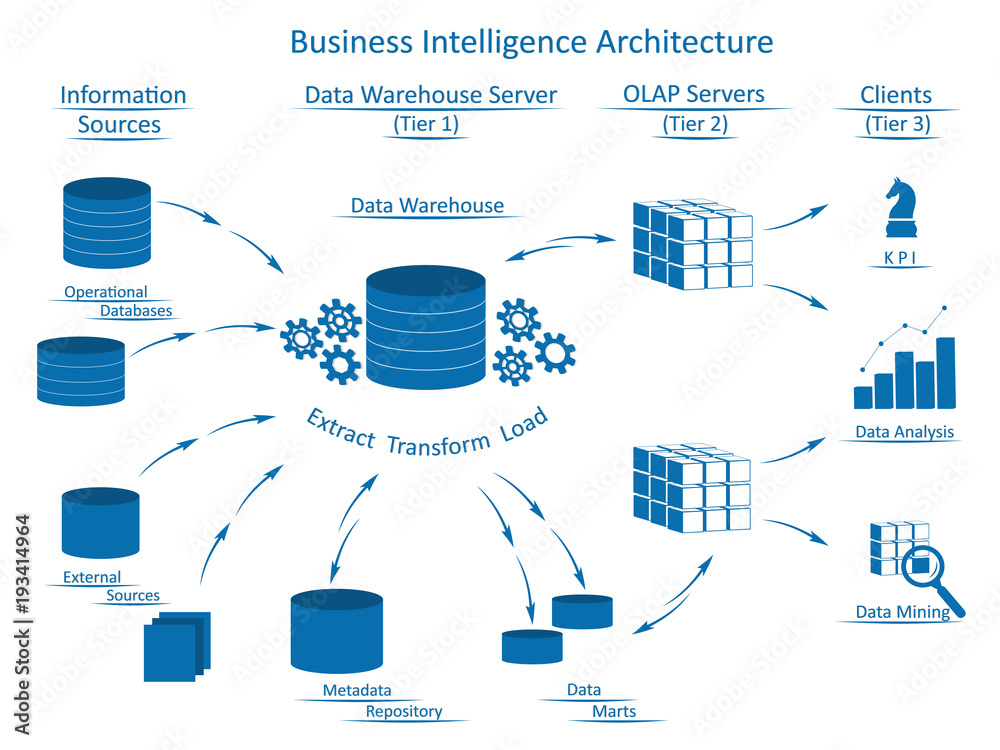
LastDatabase can contribute to a business intelligence (BI) workflow as an external B2B data source, especially for market mapping, prospect analysis, and CRM enrichment.
Where it fits
-
Data acquisition
Use its business contacts, company records, emails, phone data, and executive information as an additional dataset. Records can be filtered by country, industry, location, job title, and—in some cases—technology. -
System integration
LastDatabase pages state that API access can connect lead data with CRM, marketing, and other internal tools, allowing teams to automate searches, enrichment, and lead-generation workflows. -
Segmentation and analysis
Combine its records with internal revenue, customer, and campaign data to analyze:- Market size by industry or geography
- Decision-maker coverage
- Prospect density by segment
- Untapped accounts and whitespace
- Similarities between current customers and new prospects
-
CRM and data-quality improvement
Use the data to fill missing company or contact fields, identify potential duplicates, and standardize account attributes before reporting. The platform describes support for duplicate reduction and segmentation. -
BI dashboards and scoring
After loading the data into a warehouse or BI tool, build dashboards showing account counts, segment distribution, contact coverage, lead status, and conversion or revenue metrics. You can also create an ICP or lead score by combining LastDatabase attributes with first-party performance data.
Recommended workflow
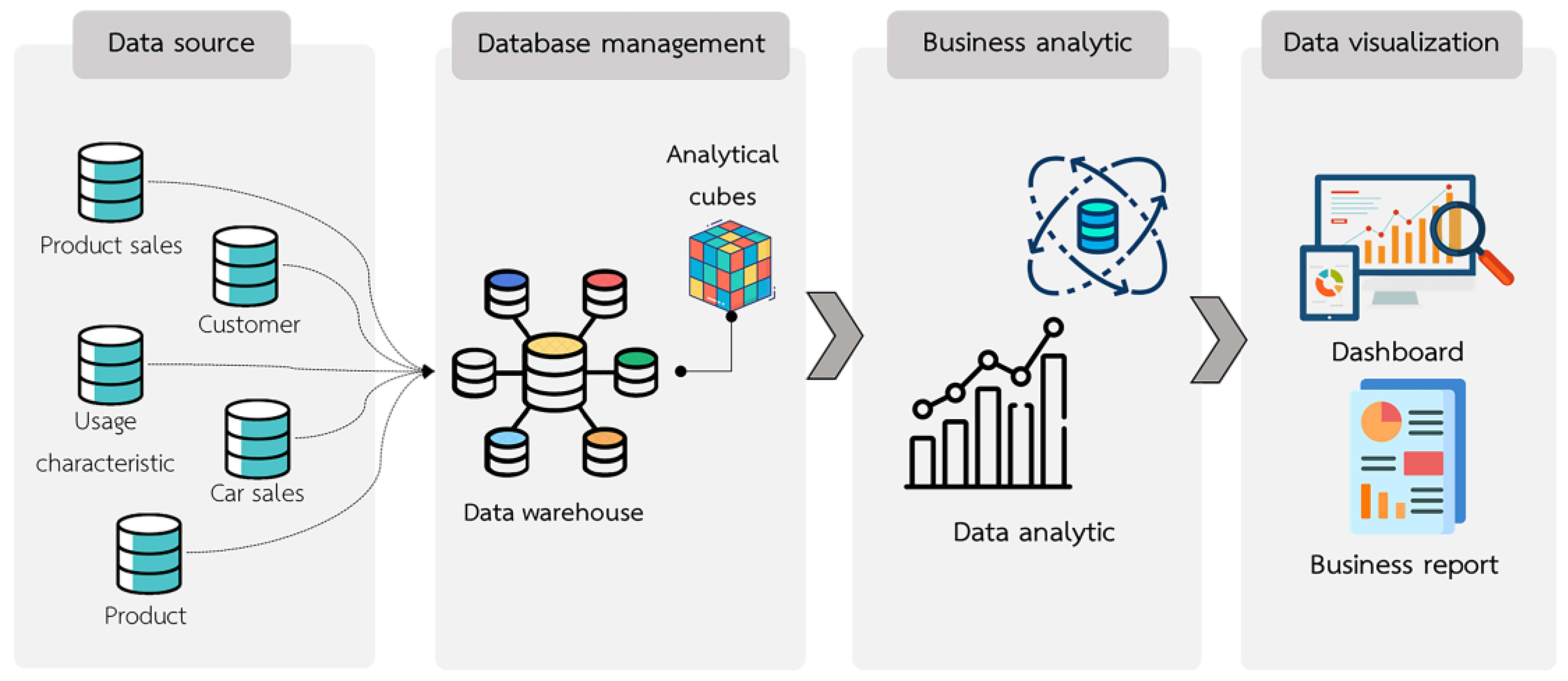
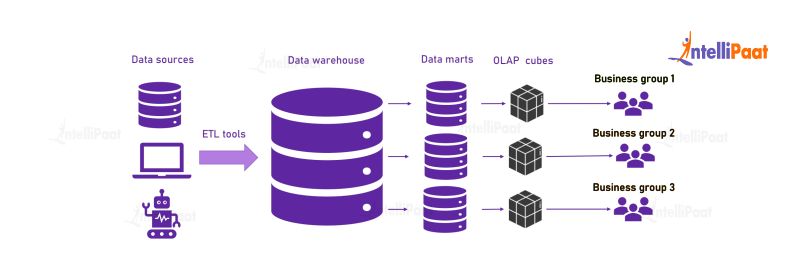
LastDatabase → API/export → validation and deduplication → CRM/data warehouse → BI dashboard → sales or marketing action
Treat LastDatabase as a prospecting and enrichment input, not a complete BI system. Its records generally need validation, consent/compliance checks, identity resolution, and joining with internal data before they are used for executive reporting. The available sources establish its B2B-data and API capabilities, but do not independently verify record accuracy or freshness for every contact.
Related

Ask your own follow-ups
Komo answers with sources. Pick up this thread in your own history and keep digging.