Shared search · Sep 13, 2026
How can Last Database support a company's market development efforts?
LastDatabase can support market development by helping a company identify, segment, and reach potential customers in new or existing markets:
- Define target markets: Filter businesses and consumers by country, industry, job title, technology, category, and communication channel to focus research on relevant audiences.
2
- Find decision-makers: Identify executives, managers, specialists, and other professional contacts, along with business email and phone information, for account-based prospecting.
- Evaluate market opportunities: Build focused lists by geography, sector, company type, or technology adoption to compare segments and identify promising markets.
- Support localized campaigns: Create separate outreach lists for different countries, industries, or buyer roles, enabling more relevant messaging instead of broad, generic campaigns.
1
- Improve sales and marketing workflows: Import data into CRM or sales-engagement systems, or use API access to connect prospect information with internal tools and automate lead-generation processes.
- Measure and refine expansion efforts: Track responses, meetings, and conversions by market segment, then prioritize the countries, industries, and customer profiles producing the strongest results.
- Scale prospecting: Use business email lists, phone databases, company information, and executive contacts to increase outreach efficiency and develop a stronger sales pipeline.
The database should supplement—not replace—market research, customer validation, and CRM-based pipeline management. Contact information should also be verified, and campaigns should comply with applicable privacy and marketing laws. 1
3
Related
How can Last Database help businesses identify relevant organizations?
LastDatabase can help businesses identify relevant organizations by allowing them to narrow broad business audiences into targeted groups using criteria such as:
- Country or region — find organizations operating in a particular market.
- Industry — focus on sectors such as healthcare, finance, software, manufacturing, or retail.
- Job title and professional role — locate executives, directors, managers, specialists, and other contacts associated with relevant organizations.
- Technology used — identify companies using particular CRM, ERP, cloud, SaaS, or other platforms.
- Contact channel and data type — select organizations or contacts based on available email, phone, or other communication data.
Businesses can combine these filters—for example, manufacturing companies in Germany using a specific ERP system, with operations or purchasing managers—to create a more relevant prospect or research list rather than searching an undifferentiated database. 9
This supports market mapping, competitor research, account-based marketing, partner discovery, and sales prospecting. The resulting records should still be validated against the organization’s website or official registries before important decisions or outreach.
Related
How can Last Database support new account research?
Last Database can support new account research by helping teams quickly build a structured view of potential customer organizations:
- Discover target accounts: Search for companies by industry, location, company type, size, technology used, or other firmographic criteria.
- Identify the right contacts: Find relevant executives, managers, and department leaders by job title or seniority, helping researchers map likely buying committees.
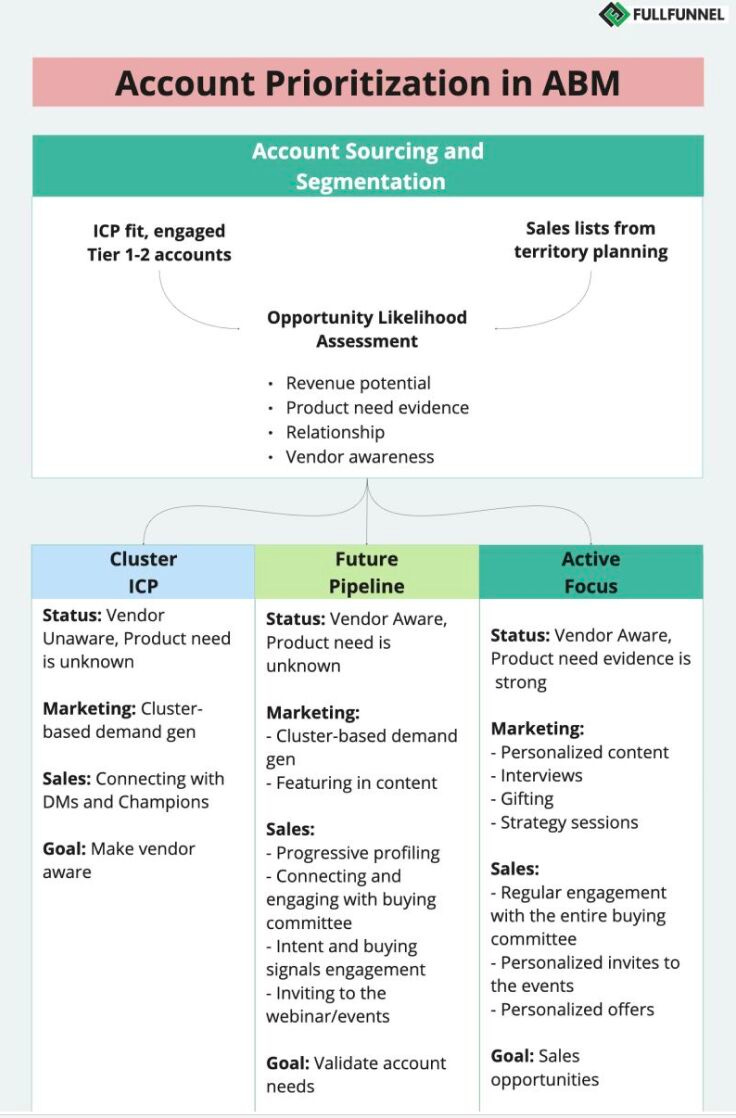
- Prioritize accounts: Segment results into tiers based on strategic fit—for example, market, employee count, industry, or technology adoption.
- Prepare for outreach: Use available company and contact details to understand whom to approach and which communication channels may be available.
- Enrich CRM records: Compare database results with existing account records to fill missing fields, identify duplicate accounts, and update outdated contact information.
- Create account briefs: Combine database information with the company’s website, public filings, news, and LinkedIn presence to document its products, organization, strategic priorities, and likely business needs.
A practical workflow is: define the ideal customer profile → filter organizations → map decision-makers → verify the records → research account-specific triggers → add qualified accounts to the CRM. Company databases are useful for screening organizations against geographic, financial, or operating criteria, but records should be independently validated before outreach or major decisions.15
The available search results do not provide a reliable official Last Database product page, so the Last Database-specific capabilities above are based on the database functions described in the conversation rather than independently verified documentation.
Related
How can lastdatabase.com help businesses improve their account discovery process?
LastDatabase.com can improve account discovery by helping businesses move from broad prospecting to a more focused, repeatable search process:
- Define the target market: Filter business contacts by country, industry, job title, audience, and technology environment instead of searching an undifferentiated database.
- Find relevant organizations and stakeholders together: Identify companies that fit a target profile, then locate executives, directors, managers, or other professional roles connected with those organizations.
- Build account segments: Create focused lists for territory planning, vertical campaigns, international expansion, recruiting, or business development.
- Support account research and CRM enrichment: Use available fields such as company name, organization, industry, geography, role, and business email to supplement existing account records and workflows.
- Improve efficiency: Start with a specific audience and choose a smaller, more relevant dataset rather than manually researching a broad population.
- Enable repeatable workflows: Monthly data options and API access—where supported—can help teams refresh research and connect data with CRM or business software.
A practical process is: define the ideal customer profile → filter accounts → map relevant contacts → review available fields and coverage → verify records → add qualified accounts to the CRM. LastDatabase notes that field availability varies by dataset, so businesses should review package descriptions and validate important records before outreach. 1
Related
How can lastdatabase.com support a company's business research activities?
LastDatabase.com can support a company’s business research activities by providing structured B2B data that teams can search and organize by key business attributes:
- Market research: Study companies and professional audiences by country, industry, job function, company, and technology to understand the makeup of a target market.
- Account and competitor research: Identify relevant organizations, their industries, locations, company characteristics, and associated professional contacts.
- Audience segmentation: Build focused research groups using filters such as industry, job title, geography, company size, revenue, or technology adoption.
- Decision-maker mapping: Research executives, directors, managers, and other professional roles connected with target companies.
- CRM and database enrichment: Use available company, organization, role, industry, geographic, and technology fields to organize or supplement existing business records.
- Technology-market analysis: Explore companies associated with particular software, platforms, or technologies where technographic data is available.
- Research workflow integration: Use available datasets and API-ready options to connect business research with lead-generation or internal data workflows.
A sensible process is: define the research question → select relevant filters → review available fields and samples → compare and segment the results → verify important findings with independent sources → document the conclusions.
Coverage varies by dataset, and LastDatabase advises buyers to review each package’s fields, methodology, source documentation, and limitations before use. 4 Businesses should also confirm that any contact-data use complies with applicable privacy, marketing, consent, and opt-out requirements.
1
4
Related




Ask your own follow-ups
Komo answers with sources. Pick up this thread in your own history and keep digging.