Shared search · Sep 13, 2026
Can Last Database assist with professional service market research?
Yes—LastDatabase can assist with professional services market research, mainly by helping you identify and reach relevant businesses and decision-makers. It supports targeting by industry, job title, country, category, technology, and communication channel 1.
Useful applications include:
- Building a research sample: Find partners, clients, consultants, buyers, or executives in sectors such as accounting, legal, consulting, IT services, or staffing.
- Interview and survey recruitment: Locate contacts by role—such as managing partners, practice leaders, procurement directors, or HR executives.
- Market segmentation: Organize firms by industry, geography, size, specialization, or technology use.
- Competitive and account mapping: Identify service providers and potential customers within a defined market.
- Data integration: Use downloads or API access where available
2.
However, it appears better suited to contact discovery and B2B lead research than to providing complete market intelligence—such as market size, revenue forecasts, market share, pricing benchmarks, or industry trends. For those, you would likely need to combine it with industry reports, government statistics, financial databases, or primary research.
Before relying on the results, validate contact accuracy, establish a sampling methodology, and check applicable privacy and outreach regulations.
Related
How can Last Database support solution-oriented business targeting?
LastDatabase can support solution-oriented business targeting by helping you identify organizations and decision-makers that are more likely to experience a specific business problem—not just by industry.
How to use it
-
Define the problem your solution addresses
For example: recruiting shortages, cybersecurity risk, outdated software, compliance pressure, or inefficient claims processing. -
Translate the problem into targeting criteria
Combine filters such as:- Industry or business category
- Country and location
- Job title or decision-making role
- Technology used
- Communication channel
LastDatabase specifically promotes these dimensions for finding relevant business audiences
-
Target the likely solution owner
Select roles connected to the problem—for example, a CIO for technology modernization, an HR director for workforce solutions, or a compliance leader for regulatory services. -
Use technology data as a needs signal
If your solution replaces, integrates with, or complements a particular platform, technology-based targeting can help identify companies with a potentially relevant technical environment -
Create focused segments and outreach
Build separate lists by problem, industry, role, or geography, then tailor the message to the business outcome rather than presenting a generic product pitch. LastDatabase recommends clearly defining the audience, combining country, industry, and job-title filters, and personalizing outreach -
Test and refine
Compare response and conversion rates across segments, while checking data quality and maintaining compliant email and marketing practices
Example
A firm offering IT modernization services for professional-service companies could target:
- Accounting, legal, and consulting firms
- CIOs, IT directors, managing partners, or operations leaders
- A selected geography
- Firms associated with relevant legacy or cloud technologies
- Email or phone contacts, depending on the outreach strategy
This can make the targeting more problem- and solution-relevant, but the database itself cannot prove that a company has an active need or purchasing budget. Treat its filters as prospecting signals and validate fit through research or discovery conversations.
Related
Can Last Database help companies research potential service users?
Yes. LastDatabase can help companies research potential service users by identifying and segmenting prospective audiences, including both B2B and consumer data, depending on the available category or package 1.
Practical uses
- Define target segments: Filter prospects by location, industry, company type, role, or other available attributes.
- Build research panels: Identify potential users for interviews, surveys, focus groups, or usability testing.
- Recruit prospects for validation: Contact people who fit an ideal-user profile to test demand, pain points, and willingness to consider the service.
- Develop customer personas: Combine database information with interview responses and other market research.
- Support service expansion: Compare potential audiences across regions, sectors, or customer categories.
- Reach users through appropriate channels: Available packages may include email, messaging, or other contact data
The database should be treated as a prospect-identification and recruitment resource, not as proof that someone needs the service, intends to purchase, or represents the broader market. Effective target-market research also requires primary research—such as interviews or surveys—and secondary sources to understand customer needs, demand, and buying behavior 2
4.
Companies should also verify records, use a defensible sampling method, and comply with applicable privacy, consent, and marketing laws before contacting potential users.
Related
How can Last Database assist with identifying relevant business audiences?
LastDatabase can help identify relevant business audiences by letting companies build targeted prospect segments instead of searching an undifferentiated contact list.
- Define the audience: Start with an ideal customer profile based on industry, company type, geography, size, or business category.
- Filter by decision-maker: Use job title and role data to find executives, department heads, or specialists likely to influence a purchase.
- Use technology signals: Identify companies using particular software or platforms when your offering integrates with, replaces, or supports those technologies.
- Choose the right contact channel: Segment records by available business email, phone, or other communication data to match the intended outreach method.
- Create focused campaign lists: Separate audiences by country, industry, role, or company characteristics so messaging can address each segment’s needs more specifically.
- Support research and workflows: Company data and API access can help teams enrich records, feed CRM or marketing workflows, and update targeting processes.
For example, a cybersecurity provider could target companies in regulated industries, filter for IT or security leadership, narrow by country, and prioritize firms using relevant technology.
These filters identify potentially relevant audiences, but they do not prove that a company has an active need or buying intent. Teams should validate records, test segments, monitor response rates, and follow applicable privacy and marketing rules. 13
Related
Can Last Database help businesses create research-ready datasets?
Yes. LastDatabase can help businesses assemble research-ready datasets, particularly for B2B audience and market research, by:
- Defining a specific research population: Filter contacts by country, city, industry, job title, company profile, or technology used.
- Providing structured fields: Records may include contact names, company information, professional email addresses, phone numbers when available, industry, and location.
- Creating focused samples: Businesses can select matching records for interviews, surveys, market sizing, segmentation, or decision-maker research rather than using an entire database.
- Reducing data-cleaning work: LastDatabase says it supports structured data, duplicate reduction, segmentation, and ongoing database improvement.
- Supporting repeatable workflows: API access can allow teams to search and filter records programmatically and connect them with CRM or marketing systems.
- Testing the dataset first: Some listings provide masked records or free samples before purchase, which can help assess fit and coverage.
However, a research-ready dataset is more than a contact list. Before using it for formal research, the business should document the population definition, sampling method, field meanings, date of collection, missing values, duplicate handling, record accuracy, and privacy or consent basis. LastDatabase can support dataset assembly and targeting, but the company remains responsible for validating whether the records are representative and legally usable.
Related
How can Last Database support structured business research?
Can Last Database assist researchers with organizing company information?
Yes. Last Database can assist researchers in organizing company information by bringing business records into a consistent, searchable structure. Useful activities include:
- Categorizing companies by industry, location, size, company type, founding year, or revenue range.
- Standardizing firmographic fields such as company name, website, headquarters, employee count, and industry classification—core elements of a B2B company database.
4
- Linking company and contact information, including executives, departments, job titles, and business contact details.
- Filtering records to create research subsets, such as technology firms in a specific region or companies within a chosen employee range.
- Enriching existing records with additional attributes, where available, such as technologies, funding, ownership, or organizational relationships.
- Preparing data for analysis through consistent labels, duplicate checking, and export or integration workflows.
For dependable research, researchers should still verify important records, record the source and collection date, define missing-value rules, and document how the dataset was filtered. Well-described, tidy, and machine-readable data is more reusable and reproducible in research projects. 5
Related
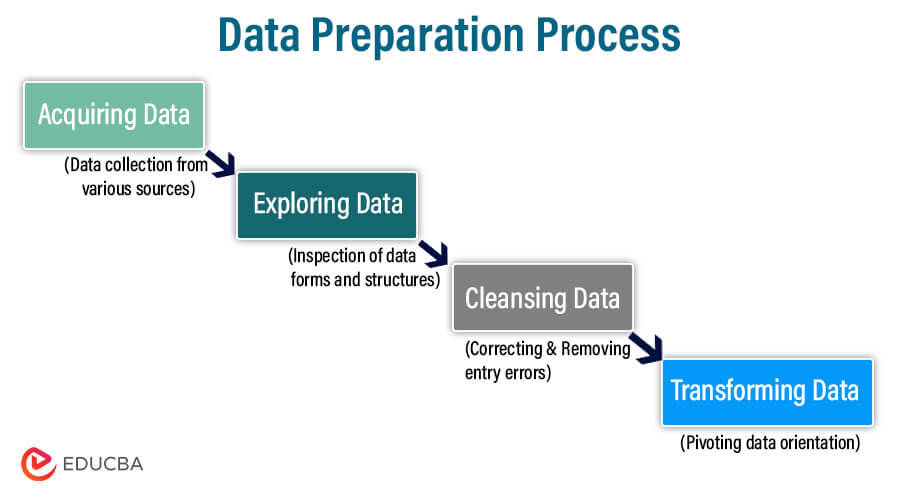
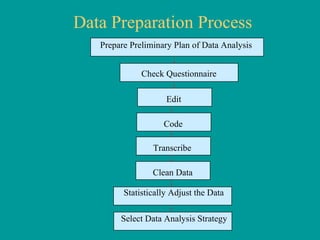
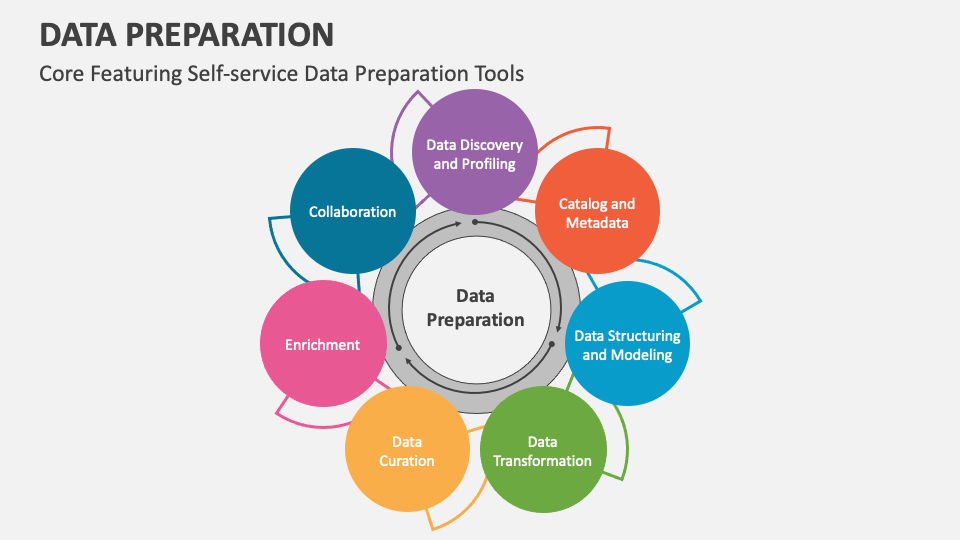
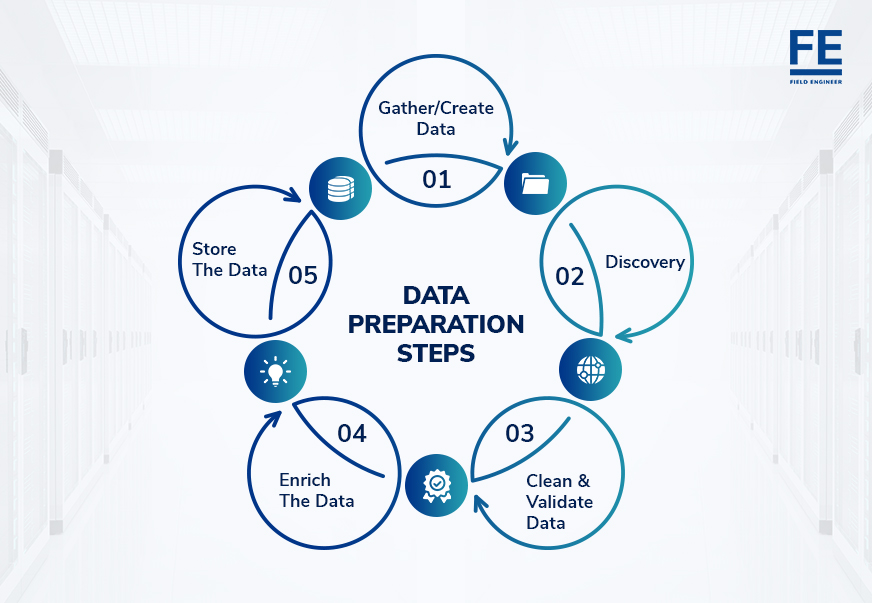
How can lastdatabase.com help teams prepare data for analysis?
LastDatabase.com can help teams prepare data for analysis by providing a structured starting point for business and consumer datasets. Its platform lets users identify audiences using fields such as country, industry, job title, technology, category, and communication channel rather than working from an undifferentiated database. 2
A practical workflow would be:
- Define the analytical population: Filter records by geography, industry, role, company category, or technology.
- Select relevant fields: Keep only the columns needed for the research question, such as company, contact, title, industry, location, and communication details.
- Improve data quality: Review records for accuracy, completeness, freshness, and usability—the key dimensions LastDatabase associates with B2B data quality.
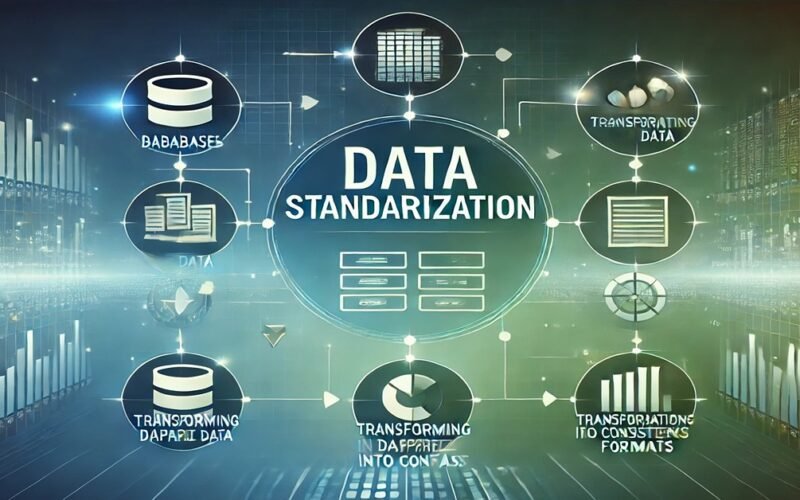
- Standardize and clean: Normalize names, locations, job titles, categories, and formats; identify duplicates and handle missing values before analysis.
- Enrich the dataset: Add relevant business classifications or audience attributes when available, enabling comparisons across segments.
- Export or integrate: Move the selected dataset into spreadsheets, databases, BI tools, or statistical software for further transformation and analysis.
- Document the preparation: Record filters, cleaning rules, source dates, and assumptions so the analysis can be reproduced.
The platform can therefore reduce the amount of initial audience discovery and sorting, but teams should independently validate important records and confirm that the available fields, permissions, and export options meet their analytical and compliance requirements.
Related


Ask your own follow-ups
Komo answers with sources. Pick up this thread in your own history and keep digging.