Shared search · Sep 14, 2026
Can Last Database support early-stage business development?
Yes—if “Last Database” provides accurate company/contact data, enrichment, segmentation, and export or CRM integrations, it can support early-stage business development.
Useful applications include:
- Building an initial prospect list by industry, location, company size, funding stage, or role
- Identifying decision-makers and relevant buying committees
- Prioritizing accounts using firmographic or intent signals
- Personalizing outreach with company and contact context
- Tracking prospects through a lightweight CRM or spreadsheet workflow
- Testing market hypotheses before investing heavily in sales infrastructure
For an early-stage company, the key questions are:
- How fresh and accurate is the data?
- Does it cover your target market and niche?
- Can you legally use the contact data for outreach?
- Does it integrate with your CRM, email, or automation tools?
- Is the cost justified by qualified meetings or pipeline generated?
It may be valuable as a prospecting and research layer, but it should not replace customer interviews, founder-led outreach, or validation of actual buying interest. I’m not able to verify the specific capabilities of a product called “Last Database” here, so its suitability depends on the features it offers.
Related
How can startups use Last Database when defining their business audience?
Startups can use Last Database as a market-research and prospecting input when defining their business audience. A practical workflow is:
-
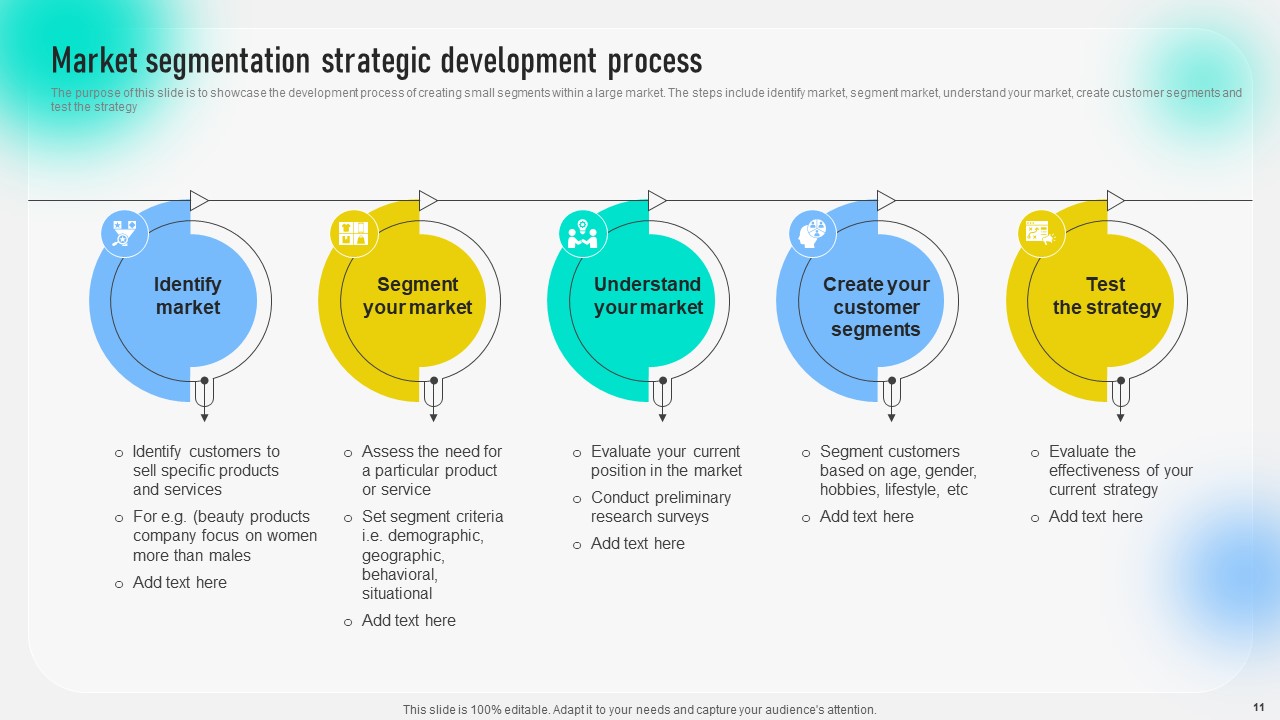
Start with a hypothesis
Define the problem, likely buyer, industry, geography, company size, and relevant job roles. -
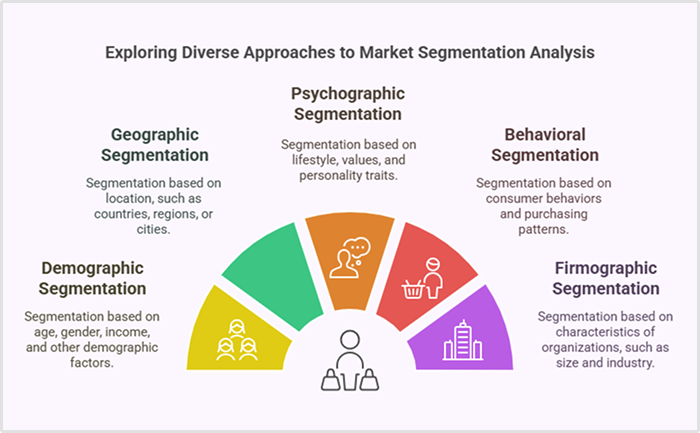
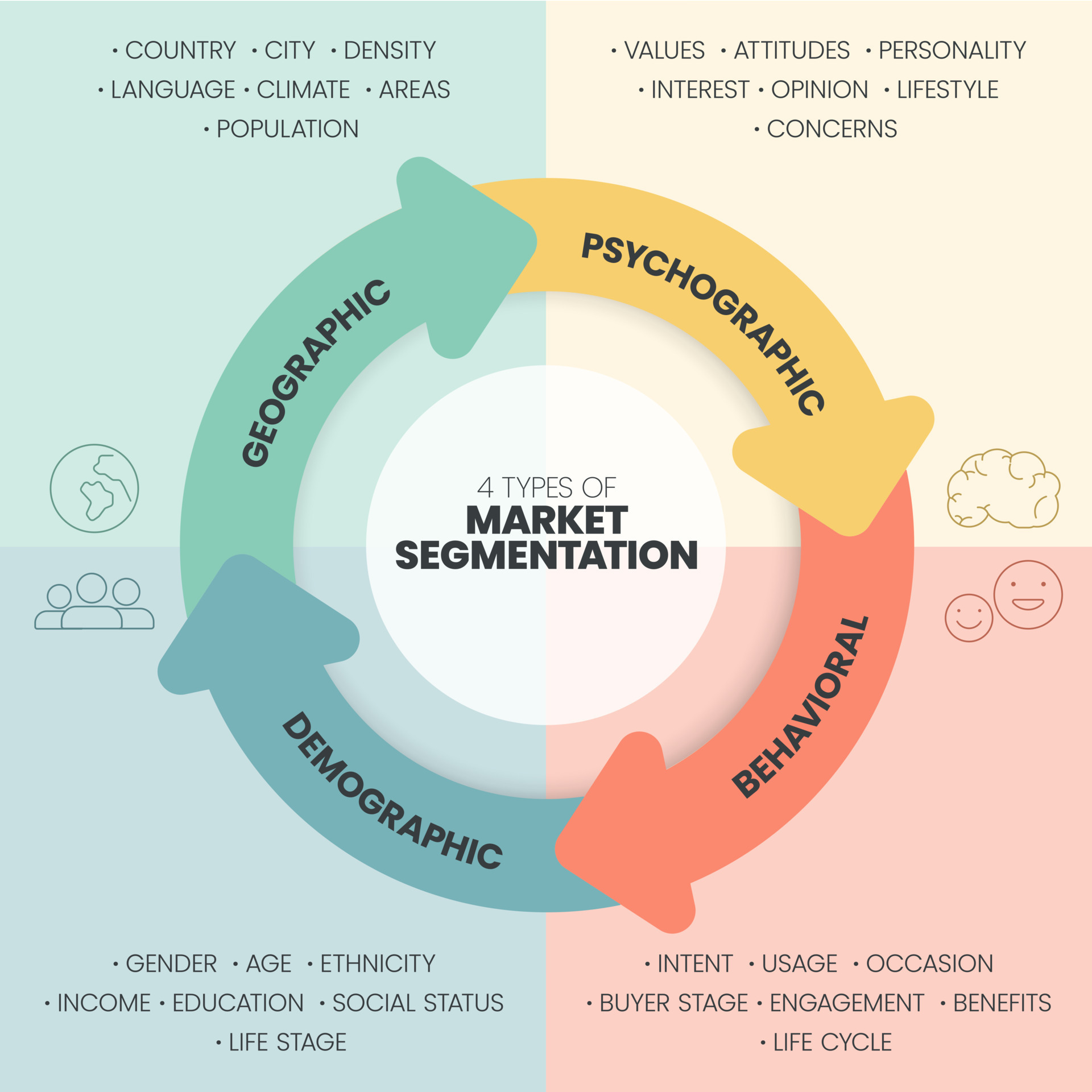
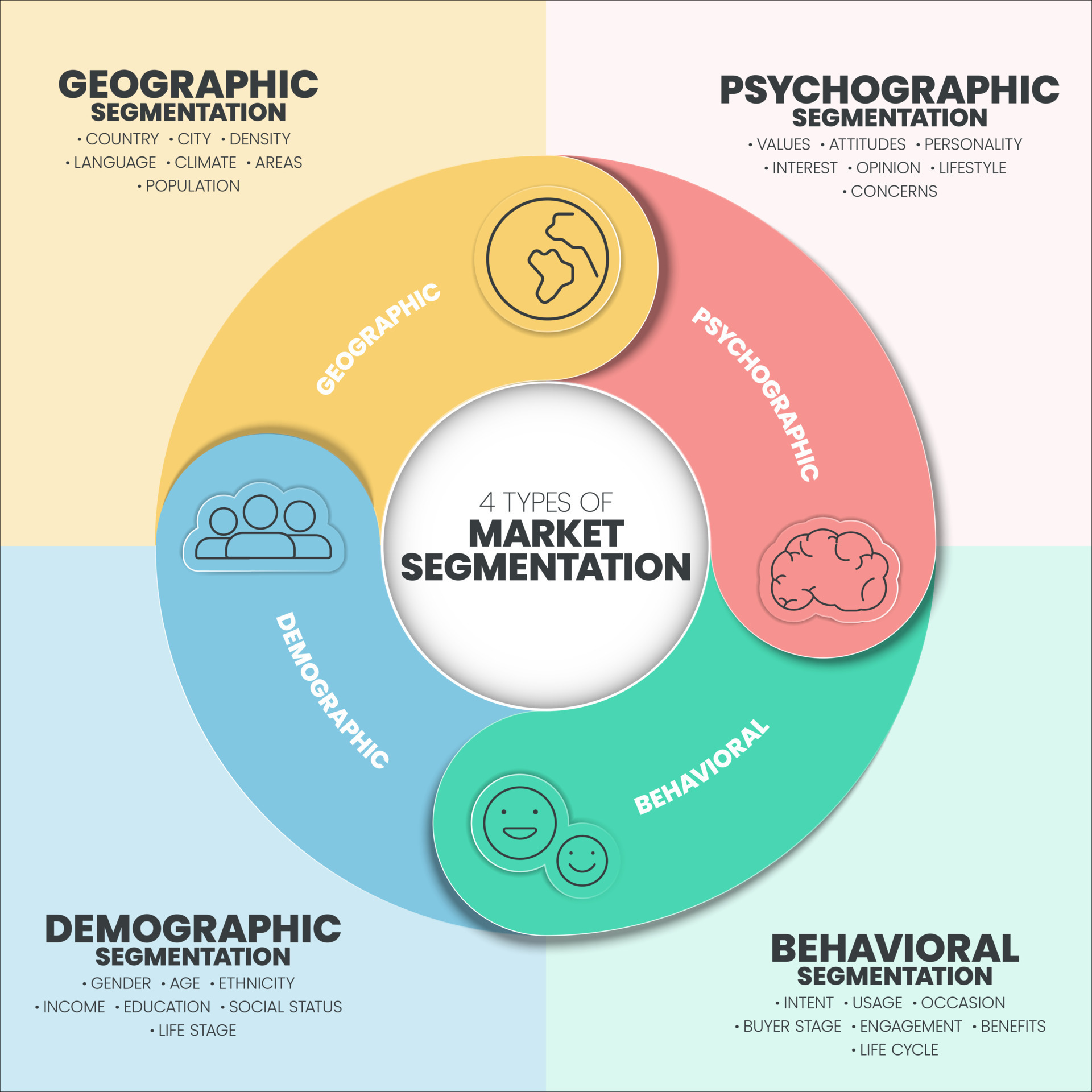
Build broad audience segments
Use available filters—such as industry, location, employee count, revenue, technology used, funding stage, or job title—to create several potential customer groups. -
Compare segment characteristics
Look for patterns among companies that appear most likely to need the product: common industries, growth stage, organizational size, technologies, or business events. -
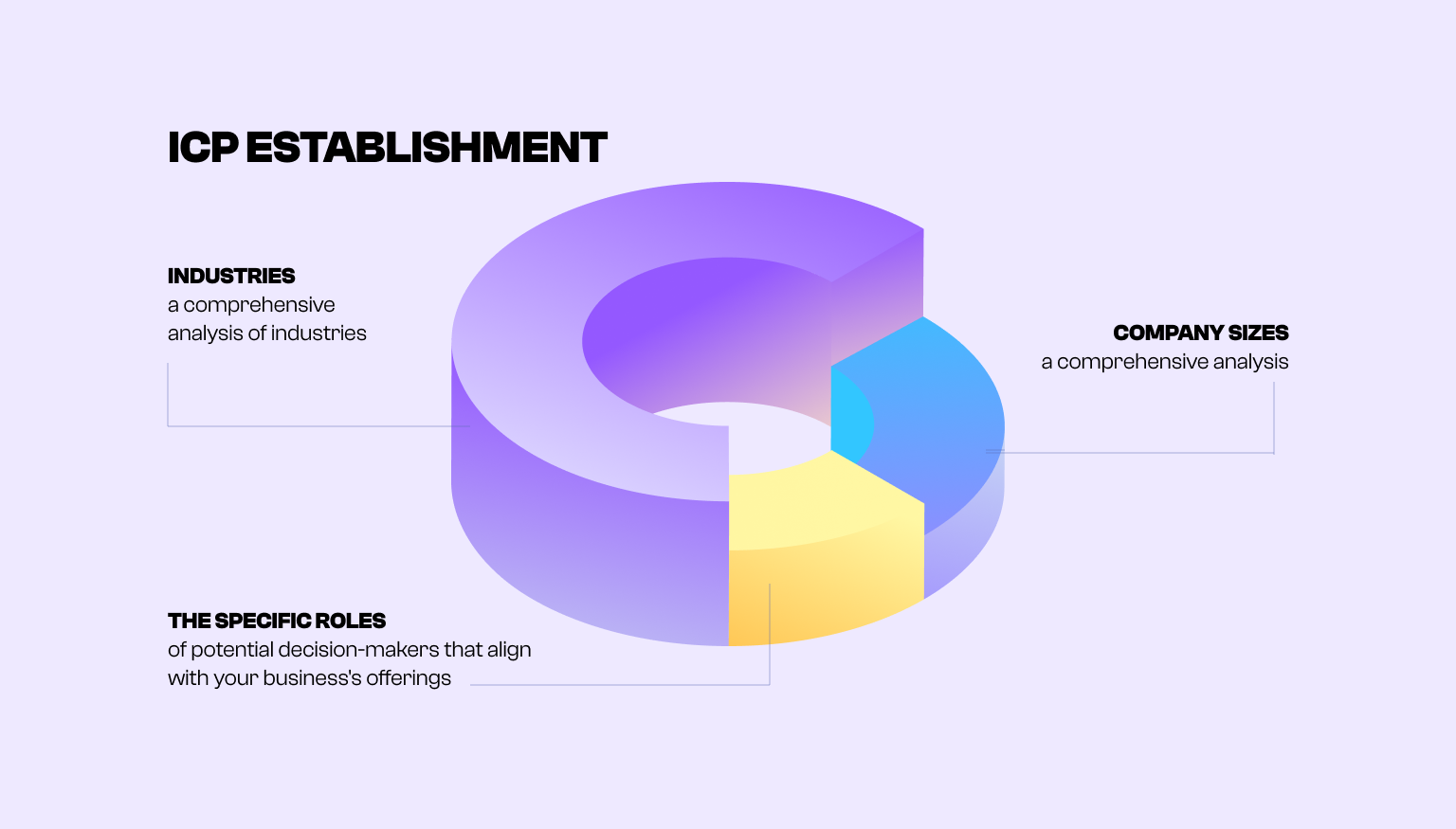
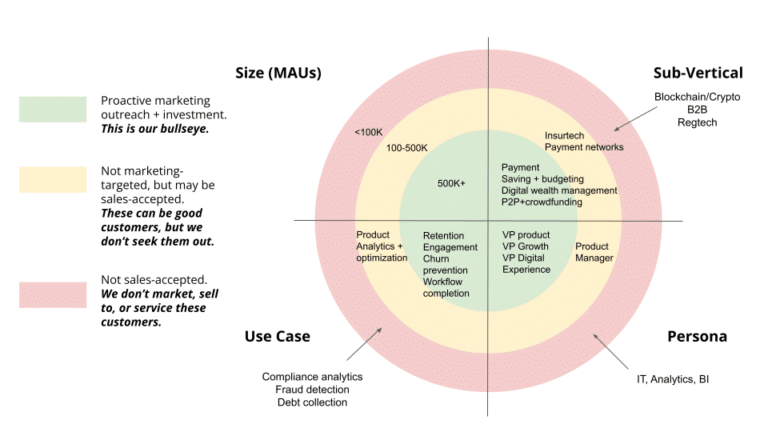
Create an ideal customer profile (ICP)
Turn those patterns into clear criteria, for example:
“US-based B2B SaaS companies with 20–200 employees, recently funded, and hiring sales staff.” -
Identify the buying audience
Separate the economic buyer, end user, influencer, and likely internal champion. This prevents the startup from treating every employee at a target company as the same audience. -
Validate the segments
Contact a small sample from each segment, conduct interviews, and compare response rates, pain points, conversion to meetings, and willingness to pay. -
Refine messaging and targeting
Use the strongest segment to shape positioning, landing pages, outbound campaigns, and early sales experiments.
The database should be treated as a source of hypotheses, not proof of product-market fit. Data quality, coverage, freshness, privacy rules, and the platform’s actual filtering capabilities should be checked before relying on it. I couldn’t verify product-specific documentation for “Last Database,” so these recommendations describe how a business database can be used generally rather than confirming particular Last Database features.
Related
Can Last Database help new companies structure their prospect research?
Yes. LastDatabase can help new companies structure prospect research by turning an unorganized market into defined, searchable prospect segments. It lets users research business and consumer audiences by country, industry, job title, technology, category, and communication channel 1.
A practical structure would be:
-
Define the research question
Example: “Which US healthcare companies with 50–500 employees may need our software?” -
Create an ideal customer profile (ICP)
Record the target geography, industry, company size, relevant technologies, and likely decision-maker roles. -
Build segmented prospect lists
Use separate lists for different industries, regions, company stages, or buyer roles rather than one large undifferentiated database. LastDatabase specifically organizes audiences around multiple targeting dimensions1.
-
Map the buying committee
Search for executives, directors, managers, or specialists connected to purchasing, operations, revenue, IT, or other relevant functions. -
Add technographic context
Technology filters can help identify companies using a CRM, ERP, cloud platform, SaaS product, or other system related to the startup’s solution -
Prioritize and document prospects
Put results into a research sheet or CRM with fields such as:- Company and website
- Segment and ICP fit
- Contact and role
- Relevant technology
- Country and industry
- Data source and verification date
- Research status and next action
-
Validate before scaling outreach
Review a small sample, verify contact details, conduct interviews, and track response or meeting rates. Database matches indicate potential fit—they do not prove buying intent.
LastDatabase also advertises API access for integrating supported lead-search and data workflows with applications, CRMs, or internal tools 1. For a new company, the strongest approach is to use it as a repeatable research layer: define criteria, generate segmented lists, verify records, test the segments, and update the ICP based on results. Check data freshness, permitted use, and applicable privacy or outreach rules before contacting individuals.
Related
How can lastdatabase.com support research for established companies?

Ask your own follow-ups
Komo answers with sources. Pick up this thread in your own history and keep digging.