Shared search · Sep 13, 2026
Can businesses use Last Database to create datasets for market studies?
Yes. Businesses can use LastDatabase’s B2B data to build datasets for market studies, especially for:
- Market segmentation by country, industry, company size, job title, or other business attributes
7
- Estimating the number of potential companies or customers in a target market
- Identifying competitors and prospective customers
- Analyzing firmographic trends, such as location, industry, employee count, and available contact information
- Creating custom datasets through API access for business intelligence and analysis
However, LastDatabase appears primarily designed for lead generation, sales, and marketing data, rather than as a complete market-research platform 1
5. Its data should therefore be treated as a secondary research source: verify important figures, check the date and methodology, and supplement it with interviews, surveys, public statistics, and competitor research.
Businesses should also review LastDatabase’s licensing terms and applicable privacy, data-protection, and research regulations before exporting, combining, or publishing the data.
Related
How can Last Database support business research projects?
Last Database can support business research projects by providing structured B2B contact and company datasets organized by country, industry, and category, including business email and phone information 9.
Practical uses include:
- Market mapping: Build an initial list of businesses operating in a target geography or sector.
- Market segmentation: Group companies by location, industry, category, or other available fields.
- Competitor and partner identification: Find organizations active in a particular market.
- Survey and interview recruitment: Identify potential respondents or business contacts for primary research.
- Customer discovery: Create a prospect universe for testing demand, pricing, or product-market fit.
- Dataset enrichment: Combine its records with public statistics, industry reports, financial data, or survey results.
- Research validation: Cross-check whether the companies identified through desk research have current contact details.
A sensible research workflow is to define the research population, filter the relevant Last Database records, remove duplicates, validate a sample, and document the dataset’s retrieval date and inclusion criteria. The resulting data is best used as a research input or sampling frame, not as a definitive measure of total market size, because contact databases may contain omissions, duplicates, outdated records, or uncertain coverage.
Before using the data for outreach, surveys, or publication, businesses should also confirm Last Database’s licensing conditions, permitted uses, and applicable privacy and marketing laws.
Related
Can Last Database assist with data preparation for internal analysis?
How can lastdatabase.com help organize information for strategic research?
Yes. LastDatabase can serve as a structured starting point for internal analysis and strategic research, rather than requiring teams to begin with an undifferentiated database. It lets users explore business and consumer audiences by country, industry, job title, technology, category, and communication channel 1.
How it can help organize research data
- Create focused research segments: Filter records by geography, industry, company category, role, or available contact type to build clearly defined analysis groups
- Build a consistent research dataset: Select relevant fields—such as company information and business contact details—so the team can standardize records before analysis.
- Review samples first: LastDatabase’s workflow includes finding databases, reviewing samples, purchasing, and downloading data
- Download data for analysis: Downloaded datasets can be imported into spreadsheets, SQL databases, BI tools, or statistical software for deduplication, segmentation, and reporting. The specific file formats and fields should be confirmed for the selected dataset.
- Support repeatable workflows: API access can help teams retrieve or integrate available data into internal systems, subject to the API’s authentication, search, and usage limits
- Create research panels or target universes: Filtered company and contact records can be used to define populations for market mapping, competitor research, partner identification, or interview and survey recruitment.
Recommended preparation process
- Define the research question and inclusion criteria.
- Select the relevant country, industry, category, and role filters.
- Review a sample for field completeness and relevance.
- Download or access the data through the available method.
- Standardize names, locations, industries, and contact fields.
- Remove duplicates and flag incomplete or inconsistent records.
- Add internal data and external market sources.
- Record the source, retrieval date, filters, and transformation steps.
LastDatabase should generally be treated as a research input or sampling frame, not a complete or automatically validated market census. Teams should independently verify important records and confirm licensing, permitted internal uses, privacy obligations, and any restrictions on combining or redistributing the data.
Related
Can lastdatabase.com support research teams working with business datasets?
Yes. LastDatabase can support research teams working with business datasets, particularly for market mapping, audience segmentation, company research, and building research samples.
Key ways it may help:
- Find targeted datasets: Browse business records by country, industry, job title, technology, category, and other business attributes
- Work with multiple data types: Its catalog includes company records, professional contacts, email and phone datasets, executive and job-title lists, technology-user data, and API-ready datasets
- Define research populations: Teams can combine company, industry, role, geography, and technology signals to identify target accounts or professional audiences
- Inspect data before purchase: LastDatabase says users can review available fields and samples, while noting that coverage varies by dataset
- Integrate with internal workflows: Where available, API access can support importing data into CRM, analytics, or research systems
- Apply data-governance checks: The platform describes source and consent documentation, privacy/correction/opt-out processes, and methodology information; teams should still verify whether a dataset’s permitted use matches their research purpose and jurisdiction
It is best used as a supplementary business-data source, not as a definitive or fully validated market census. Research teams should check freshness, duplicates, geographic coverage, field definitions, consent scope, licensing, and the accuracy of important records before using the data for strategic conclusions.
Related
How can businesses use Last Database as part of a research workflow?
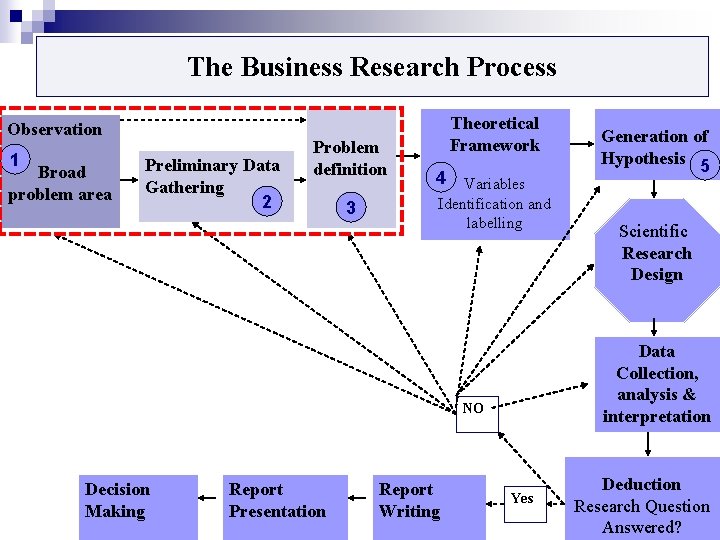
Businesses can use LastDatabase as a business-data input within a broader research workflow:
-
Define the research objective
Establish the target market, geography, industry, company type, and professional roles relevant to the question. -
Find a suitable dataset
Search LastDatabase by country, industry, category, job title, technology, or data type rather than starting with a broad, undifferentiated database -
Inspect fields and samples
Review the package’s available fields and, where eligible, download free sample records before purchasing. Field availability varies by dataset -
Build a research population
Use company, sector, location, role, and technology attributes to create a target-account universe, stakeholder list, recruitment pool, or market segment -
Download and prepare the data
Export the records, then standardize company names, normalize locations and job titles, remove duplicates, and document the source and retrieval date. -
Combine it with internal and external evidence
Enrich the dataset with CRM records, public company information, interviews, surveys, financial data, or industry reports. LastDatabase should support—not replace—independent verification. -
Analyze and prioritize
Segment companies, estimate market coverage, identify potential customers or partners, map competitors, and prioritize accounts based on the research criteria. -
Automate recurring research
Where supported, the LastDatabase API can connect data access to CRM, analytics, dashboards, or other business systems; teams should check its authentication, search capabilities, and usage limits -
Apply governance controls
Validate freshness, accuracy, duplicates, geographic coverage, licensing, and privacy obligations before using the information for outreach or strategic decisions. The provider notes that business information changes over time and that package coverage differs
A practical sequence is:
Research question → audience criteria → dataset and sample review → purchase/download or API access → cleaning and validation → segmentation and analysis → decision testing.
Related
How can businesses use Last Database as part of a research workflow?
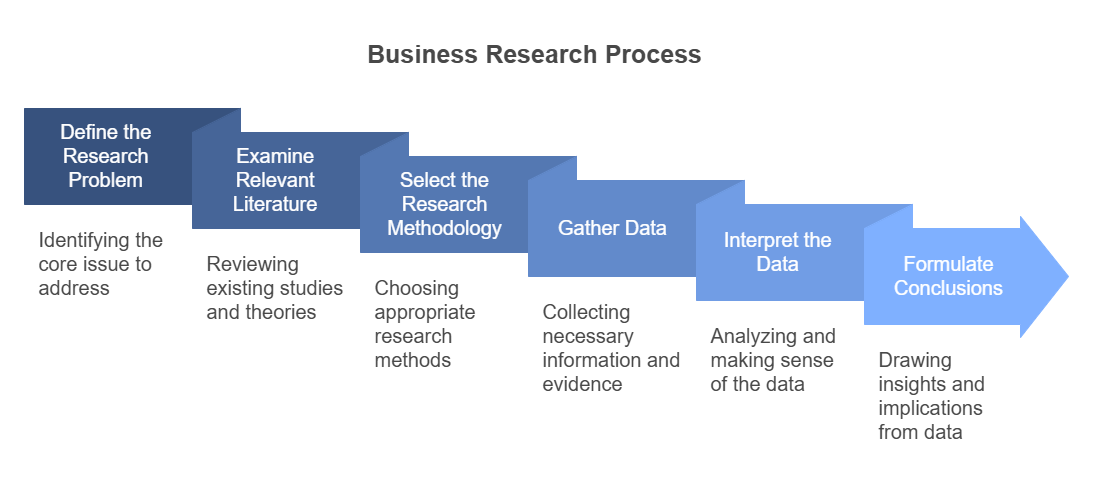
Businesses can use LastDatabase as a structured data source within a broader research workflow, rather than treating it as the sole source of truth.
-
Define the research question
Specify the market, geography, industry, company size, job functions, and decision the research should support. -
Find relevant datasets
Search by country, industry, job title, technology, category, and communication channel to identify companies or professional audiences -
Review samples and fields
Follow LastDatabase’s workflow of finding a database, reviewing available samples, purchasing the selected dataset, and downloading it -
Create a target population
Use the data to build a list of companies, executives, technology users, or industry participants for market sizing, segmentation, competitor mapping, or interview and survey recruitment -
Clean and enrich the records
Standardize company names, locations, industries, and job titles; remove duplicates; and combine the records with CRM data, public filings, company websites, survey results, or industry reports. -
Analyze and prioritize
Segment the dataset by geography, industry, role, company size, or technology adoption. Rank organizations for interviews, partnership research, account analysis, or market-entry studies. -
Automate recurring research
Where appropriate, connect LastDatabase’s API capabilities to internal analytics, CRM, or data pipelines. Its API is positioned for business-data, prospecting, and targeted-outreach use cases -
Validate before drawing conclusions
Independently verify important records and document the dataset’s source, retrieval date, coverage, freshness, licensing, and privacy requirements. Database records can help identify who is in a market, but interviews, surveys, and public research are usually needed to understand why customers behave as they do.
A practical workflow is:
Research question → dataset search → sample and field review → purchase/download or API access → cleaning → enrichment → analysis → independent validation → research recommendation.
Related



Ask your own follow-ups
Komo answers with sources. Pick up this thread in your own history and keep digging.