Shared search · Sep 13, 2026
How can Last Database support account universe development?
Assuming Last Database is your account-data platform, it can support account universe development by helping you:
- Define the universe: Build a complete list of accounts using criteria such as industry, geography, revenue, employee count, technology stack, ownership, or growth signals.
- Identify net-new accounts: Discover companies that are missing from your CRM or existing territory lists.
- Enrich account records: Add firmographic, technographic, organizational, and contact data so accounts can be segmented consistently.
- Standardize and deduplicate: Normalize company names, domains, subsidiaries, parent companies, and locations to create a reliable account hierarchy.
- Segment the market: Classify accounts into tiers—such as strategic, enterprise, commercial, or nurture—based on fit and potential.
- Prioritize sales coverage: Combine ideal-customer-profile criteria with buying signals, intent, funding, hiring, or technology changes to rank accounts.
- Assign ownership: Map accounts to territories, regions, vertical teams, or named-account representatives.
- Keep the universe current: Refresh records and flag ownership, company-status, contact, and firmographic changes.
- Measure coverage: Compare the total addressable account universe with CRM penetration, active opportunities, whitespace, and engagement.
A practical workflow would be:
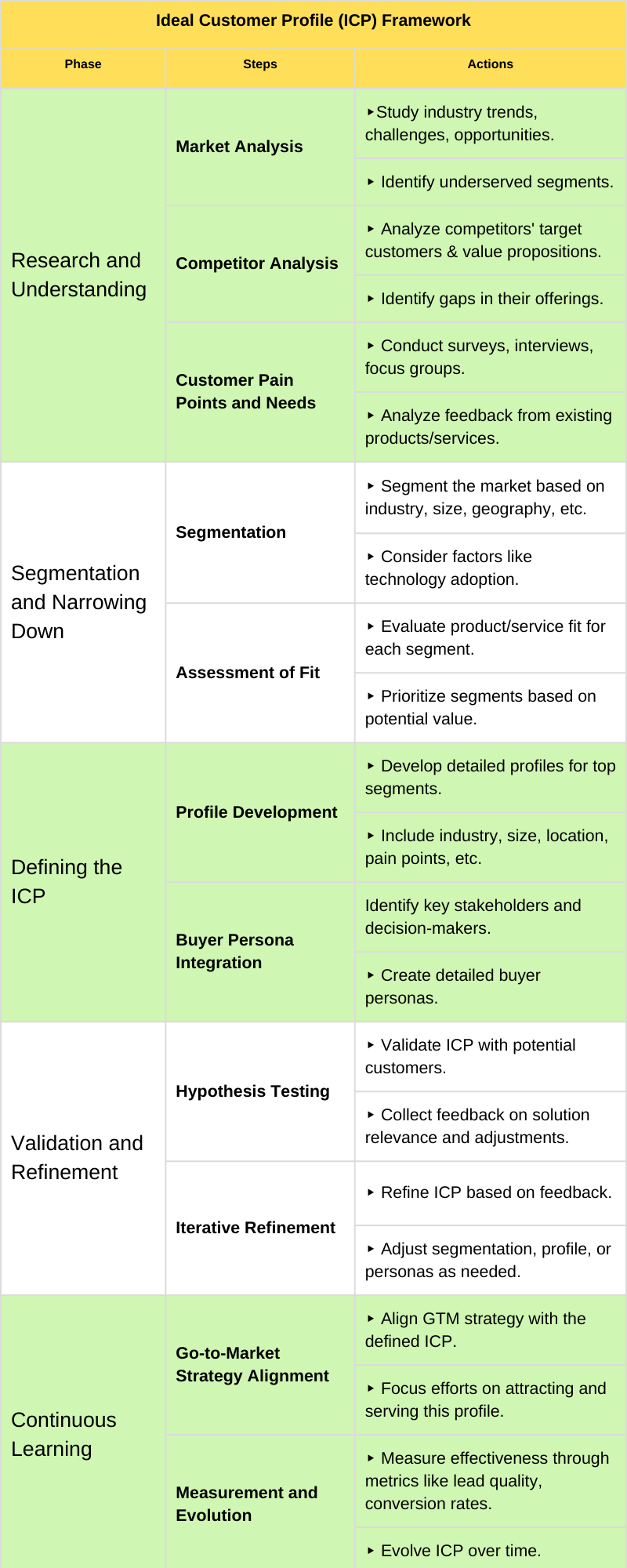
- Define the ICP and inclusion/exclusion rules.
- Pull the broadest possible account universe.
- Clean, deduplicate, and build parent-child relationships.
- Enrich and score each account.
- Segment into tiers and territories.
- Sync the approved list to CRM and sales-engagement tools.
- Establish a recurring refresh and governance process.
The main value is turning account universe development from a one-time spreadsheet exercise into a repeatable, data-governed process. The specific capabilities available depend on which “Last Database” product or vendor you mean.
Related
Can Last Database help businesses organize their potential account universe?
Yes. LastDatabase can help businesses organize a potential account universe by turning a broad market into structured, targeted account and contact segments.
It can support businesses by:
- Defining target segments: Filter available data by country, industry, company category, job title, technology, and communication channel.
9
- Building account lists: Identify companies and associated professionals that fit a specific sales territory, customer profile, or campaign.
- Adding stakeholder information: Connect companies with executives, directors, managers, and other relevant decision-makers.
- Supporting segmentation: Combine company, industry, location, and role criteria to create more relevant prospecting groups.
- Enabling CRM workflows: Use company attributes and contact data for account research, CRM enrichment, and business-development programs.
- Scaling access: Use downloads or API access where supported to connect data with CRM or other business systems.
A sensible process is to define the ideal customer profile, filter the database to create an initial company universe, remove duplicates and existing customers, segment accounts by territory or priority, then enrich only the highest-priority accounts with contact data.
Important limitation: LastDatabase appears primarily oriented toward business-contact and lead data. Businesses should verify the available company-level fields, data freshness, duplicate handling, export format, and CRM integration for the specific dataset before treating it as a complete account-universe system. Field availability varies by package.19
Related
How can companies use Last Database to map business opportunities?
Companies can use LastDatabase as a market-mapping and prospecting layer to turn broad business data into prioritized opportunities. It supports filtering by country, industry, job title, technology, company category, and communication channel.1
Practical approach
-
Define the ideal customer profile
Specify target industries, locations, company sizes, technologies, roles, and customer types. -
Map the addressable market
Build lists of companies that match those criteria, then group them by geography, vertical, size, or technology environment. This helps reveal market concentration and underserved segments. -
Identify relevant stakeholders
Add executives and other business contacts associated with each company so teams can map decision-makers, influencers, and potential buying committees. -
Find whitespace and expansion opportunities
Compare the database with existing customers, CRM accounts, and open opportunities to identify:- Untapped companies
- New regions or industries
- Additional departments within current customers
- Accounts using relevant technologies
-
Prioritize accounts
Rank opportunities by ICP fit, company importance, territory, available decision-maker data, and—where available—signals such as technology use, growth, hiring, or funding. These signals should be validated rather than treated as confirmed buying intent. -
Activate the opportunity map
Export lists or use API access to connect selected accounts with CRM, business-intelligence, or sales workflows; LastDatabase documentation specifically covers downloads and API access. -
Measure and refresh
Track contacts, meetings, opportunities, and revenue by segment, while regularly checking data accuracy, duplicates, role changes, and privacy requirements.
Bottom line: LastDatabase can help answer “Which companies should we pursue, where are they, and who should we engage?” It is best used to create and organize an opportunity map—not as a standalone replacement for CRM history, customer research, qualification, or verified intent data.
Related
How can lastdatabase.com support account discovery at scale?
LastDatabase.com can support account discovery at scale by helping teams search, segment, and programmatically retrieve business data rather than researching companies one at a time.
Scalable account-discovery workflow
-
Define the target account profile
Set criteria such as country, city, industry, company category, keywords, technology, and relevant job titles. LastDatabase’s directory supports discovery by countries, industries, categories, and job titles. -
Search across multiple market dimensions
Its business-data API can search records by country, city, industry, and keyword, with email, phone, and fax data available where supported. -
Map accounts to stakeholders
Pair company data with executive and job-title filters to identify potential decision-makers and buying-group contacts. -
Automate recurring discovery
API access can connect searches to internal prospecting tools, CRM enrichment workflows, or business-intelligence systems, reducing manual list creation. -
Create prioritized segments
Organize results into tiers—for example, high-fit accounts, new-market accounts, existing-customer expansion targets, and accounts requiring further research. -
Feed and refresh downstream systems
Use API or available download workflows to send selected records into CRM and sales-engagement systems, then deduplicate against existing accounts before outreach. LastDatabase documentation covers database discovery, downloads, and API access.
What this enables
- Territory mapping: Find companies by country, city, or region.
- Vertical expansion: Compare account density across industries.
- Whitespace discovery: Locate companies not already represented in the CRM.
- Buying-group mapping: Identify multiple relevant roles within an account.
- Programmatic prospecting: Run repeatable searches as markets, territories, or ICP criteria change.
Important limitation: LastDatabase is primarily a business-data and lead-discovery source, not necessarily a complete account-intelligence or intent platform. Companies should validate account identity, firmographic accuracy, freshness, duplicates, contact permissions, and applicable privacy or marketing rules before activating records. The provider itself recommends defining the audience, using relevant filters, monitoring data quality, and following compliant outreach practices.20
Related
Can lastdatabase.com help businesses categorize their potential accounts?
Yes. LastDatabase.com can help businesses categorize potential accounts by combining firmographic, geographic, role-based, and technology-related attributes.
Useful categorization dimensions
- Industry or business category — group prospects by sector, such as healthcare, finance, retail, or technology.
- Geography — segment by country, state, city, or territory.
- Company size and revenue — create segments for SMB, mid-market, and enterprise accounts where those fields are available.
- Job title and seniority — separate decision-makers, executives, managers, and functional specialists.
- Technology usage — identify accounts associated with particular software, platforms, or technology stacks.
- Keywords and lead type — create custom segments around products, services, or business characteristics.
Example account-segmentation model
| Segment | Example criteria | Possible use |
|---|---|---|
| Tier 1 strategic | Large companies, target industry, senior decision-makers | High-touch account-based selling |
| Growth accounts | Mid-sized firms in expanding territories | Sales development campaigns |
| Technology-fit accounts | Companies using a complementary or competing platform | Migration or integration offers |
| Local prospects | Target city or regional market | Territory-based outreach |
| Expansion accounts | Additional contacts or departments at existing customers | Cross-sell and upsell |
Teams can use these filters to create repeatable audience segments, review available records, and—on eligible plans—access data through the API for CRM or marketing workflows.11
12
Best practice: Treat the categories as a starting point for prioritization, not proof of purchase intent. Match records against your CRM, remove duplicates, validate company and contact details, and confirm that the data’s consent, usage rights, and freshness are appropriate for the intended outreach. LastDatabase notes that available fields and coverage vary by dataset.11
Related
Can lastdatabase.com help businesses categorize their potential accounts?
Yes. LastDatabase.com can help businesses categorize potential accounts by applying filters to business-data records and creating targeted segments.
Possible categorization dimensions
- Industry or business category
- Country, city, or other location
- Job title, department, or seniority
- Technology used
- Lead type
- Company and contact attributes, where available
LastDatabase specifically describes targeting by country, industry, job title, city, and technology, along with structured data, duplicate reduction, and segmentation features 9. Its categories page also highlights audience segments and filters for country, industry, job title, technology, and lead type
3.
Practical uses
Businesses could use those categories to create:
- Industry-specific account lists
- Regional sales territories
- Decision-maker segments
- Technology-based prospect groups
- Account-based marketing audiences
- CRM enrichment and prioritization workflows
API access may also allow teams to integrate filtered data into CRM or marketing systems for repeatable segmentation 10.
However, categorization based on firmographic and contact data does not necessarily indicate buying intent. Businesses should validate records, remove duplicates, define account-priority rules, and check applicable privacy and outreach requirements before using the data.
Related




Ask your own follow-ups
Komo answers with sources. Pick up this thread in your own history and keep digging.