Shared search · Sep 13, 2026
How can Last Database help businesses prepare prospect segments?
Last Database can help businesses prepare prospect segments by turning broad lead data into targeted, actionable groups:
- Define ideal-customer criteria: Start with factors such as industry, company size, location, business needs, and decision-maker role.
3
- Filter prospects: Use available fields—such as industry, geography, company size, job title, revenue, or technology stack—to isolate relevant companies and contacts.
1
5
- Segment by sales relevance: Organize prospects by lead stage, priority, source, assigned salesperson, or likely business requirements.
- Identify the right contacts: Group decision-makers by department, seniority, and role so outreach reaches people most likely to influence a purchase.
2
- Support personalized campaigns: Separate segments can receive different messaging, offers, and follow-up sequences instead of one generic campaign.
- Improve data usability: Centralized records, search filters, duplicate detection, validation, and regular updates help keep segments usable and accurate.
A practical workflow is: define the ideal customer profile → filter the database → remove duplicates and verify records → score or prioritize prospects → export segments to sales or marketing campaigns. The results will depend on Last Database’s actual fields, coverage, and data freshness, so businesses should verify important records and follow applicable privacy and marketing rules. 2
Related
Can Last Database support detailed audience grouping?
How can businesses separate prospects into meaningful categories?
Businesses can separate prospects into meaningful categories by combining several types of information rather than relying on a single filter:
- Firmographics: industry, company size, revenue, location, and growth stage.
- Contact roles: job title, department, seniority, and whether someone is a decision-maker, influencer, or user.
- Needs and pain points: the business problem, use case, or outcome the prospect is seeking.
- Technology profile: tools or platforms the company already uses, where relevant.
- Buying stage: unaware, researching, evaluating vendors, requesting information, or ready to purchase.
- Engagement and behavior: email responses, website visits, event attendance, content downloads, or prior conversations.
- Value and fit: estimated deal size, customer lifetime value, urgency, and similarity to existing successful customers.
A practical process is:
- Define the ideal customer profile using the characteristics of the best existing customers.
- Select only criteria that affect the sales approach—too many segments can make campaigns difficult to manage.
- Combine filters to create specific groups, such as “operations directors at 50–200-person manufacturers in the Midwest evaluating inventory software.”
- Prioritize each group by fit, intent, and potential value.
- Tailor messaging and channels to each category.
- Review performance and update segments as customer behavior and market conditions change.
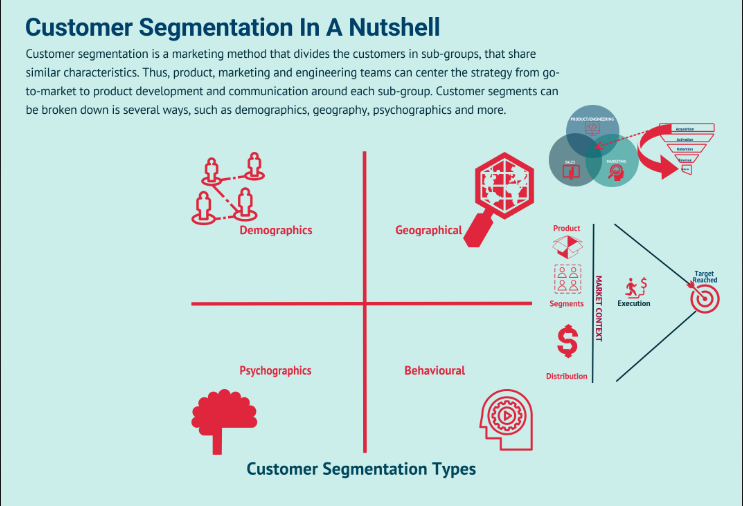
In a database such as Last Database, this approach would mean using available company, contact, geographic, industry, role, and engagement fields to create reusable prospect lists. Segments are meaningful when each one has a distinct need and can receive a clearly different sales or marketing message—not simply because it contains similar-looking records. Segmentation commonly combines industry, company size, job function, buying stage, and other factors to make outreach more relevant 1
3. B2B segmentation may also include technology use, behavior, needs, and customer value
4.
Related
Can Last Database assist with campaign-specific segmentation?
How can lastdatabase.com support multiple audience segments?
Yes. LastDatabase can support multiple audience segments by helping businesses build separate prospect lists around campaign-relevant criteria rather than using one broad database.
Ways to segment audiences
- Industry or business category: Create different lists for industries such as manufacturing, finance, healthcare, or technology.
- Geography: Separate audiences by country or market for localized campaigns.
- Job title and seniority: Target executives, department heads, technical users, or other decision-makers with role-specific messaging.
- Technology used: Build segments based on a company’s technology environment where that data is available.
- Data type or channel: Choose email, phone, company, executive, or other available data packages for different campaign channels.
- Company characteristics: Apply company-level filters alongside contact criteria to create account-based segments.
Example campaign structure
A business selling cybersecurity software could create separate audiences such as:
- CISOs at large financial companies
- IT directors at mid-sized manufacturers
- Security managers at healthcare organizations
- Technology companies using a particular platform
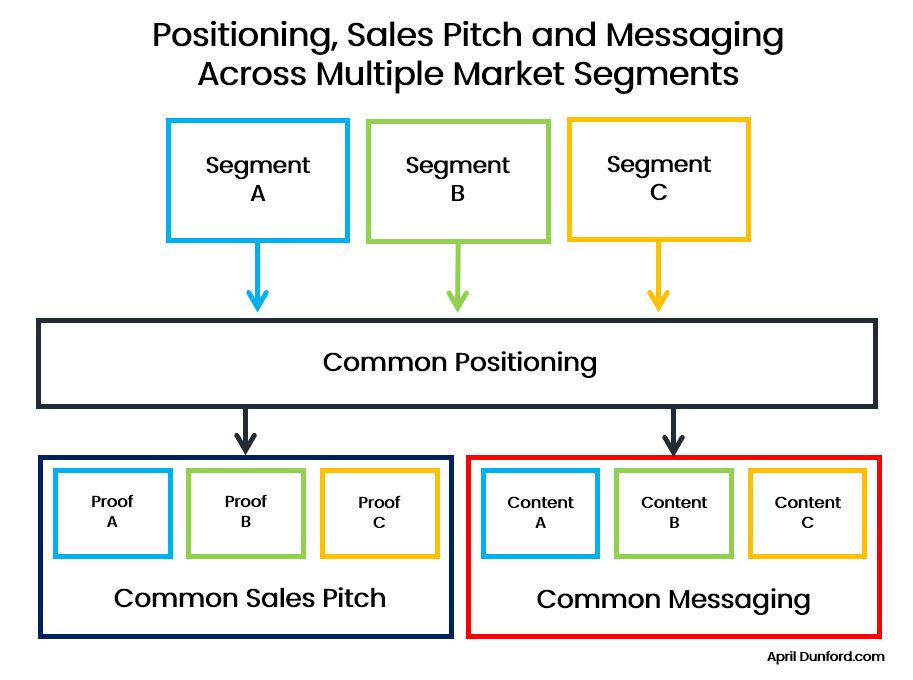
Each segment could receive different messaging, offers, and follow-up workflows.
Recommended workflow
- Define the campaign objective and ideal customer profile.
- Select the relevant LastDatabase package or category.
- Filter by country, industry, job title, company, technology, or data type.
- Create separate lists for each audience or campaign.
- Review available fields, previews, and filters before purchasing or exporting.
- Send the lists to the appropriate CRM, email, advertising, or sales-engagement platform if supported.
Important limitation: The available information positions LastDatabase primarily as a data-discovery and list-building platform. It does not confirm that LastDatabase itself provides full campaign automation, native advertising activation, journey orchestration, consent management, or campaign analytics. Those functions may require a separate marketing platform or integration. 23
25
Use each segment only when it supports a meaningfully different message or sales approach; otherwise, too many lists can create unnecessary complexity. Also verify data freshness, suppression handling, and applicable outreach laws before contacting prospects.
Related


Ask your own follow-ups
Komo answers with sources. Pick up this thread in your own history and keep digging.